A single mother with no legal training took on a giant California utility over poisoned water, won a record settlement, and became the most famous name in environmental law
She was a file clerk with three children, no law degree and a stack of unpaid bills. What she also had was a refusal to look away from a strange pattern of illness in a tiny desert town. The case she built became a blockbuster film, a household fear, and, quietly, one of the most scientifically complicated victories in memory.
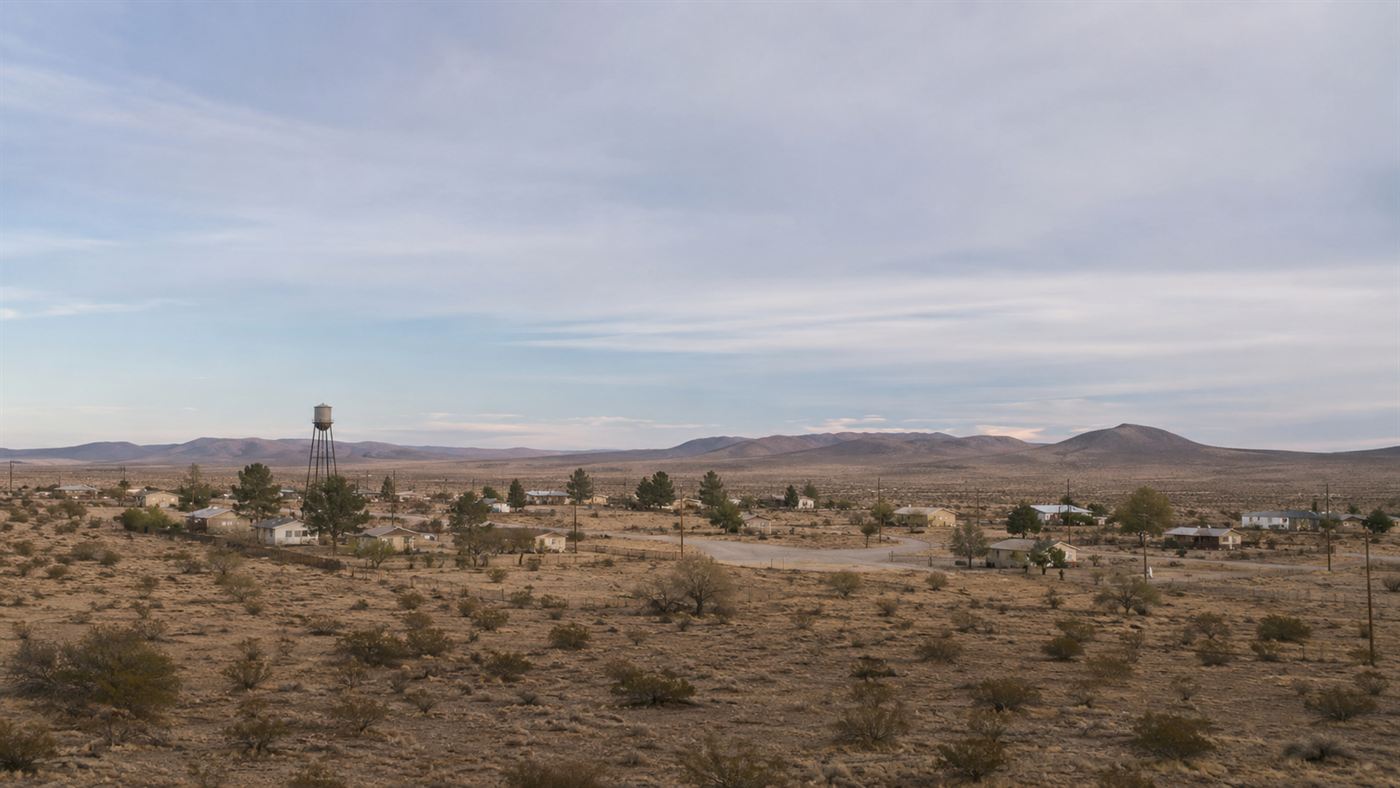
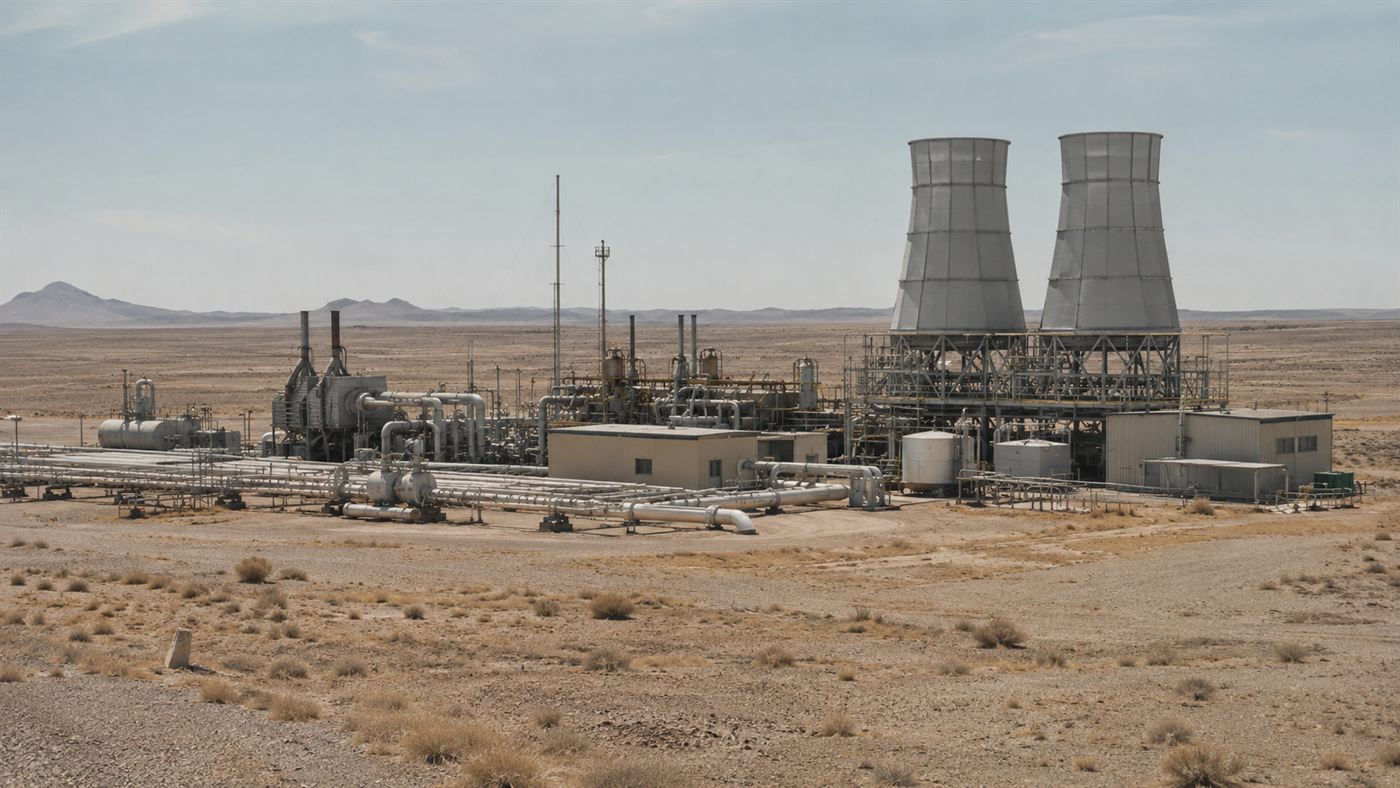
Hinkley is a scattered desert community in California's Mojave. Illustration: Watts & Wild.
In the early 1990s, a woman named Erin Brockovich was working as a clerk at a small California law firm, filing papers for a modest real-estate case. Sorting through the documents for a family in the desert town of Hinkley, she noticed something that did not belong in a property file: medical records, and a lot of them.
Curious and stubborn, she started asking questions, and the questions led somewhere alarming. The people of Hinkley were suffering an unusual burden of illness, and their water, she came to believe, had been poisoned for years by a nearby industrial site owned by the giant utility PG&E.
The short version is a classic underdog tale. An untrained clerk pulled a thread in a routine file and unravelled a case that ended in a record payout and a Hollywood film. The longer version is more tangled, because the science underneath that famous victory was never as clean as the story became.
The poison in the desert wells
The source was a compressor station that PG&E ran at Hinkley to push natural gas through its pipelines. To stop the cooling towers from rusting, the plant used hexavalent chromium, better known as chromium-6, a metal compound that is a recognised cause of cancer when its dust is breathed in.
For years the chromium-laced wastewater was dumped into ponds that were not sealed at the bottom. From there it sank down and spread into the groundwater beneath the town, the same groundwater that families pumped up for drinking, cooking and bathing. By the time anyone connected it to the community's health, the contamination had been seeping quietly for a long time.
How Erin Brockovich cracked the case
What made the difference was old-fashioned legwork. Erin Brockovich drove out to Hinkley again and again, sat at kitchen tables, and won the trust of residents who were frightened and worn down. She gathered their stories and their medical histories one by one, assembling a picture of a possible cancer cluster that no single family could have seen on its own.
Her boss, the lawyer Ed Masry, took the case, and together they built it into a direct-action lawsuit on behalf of hundreds of residents. In 1996 it was settled for 333 million dollars, at the time the largest such settlement in United States history, and Brockovich, still not a lawyer, received a large bonus for the work that had cracked it open.
The film that made a chemical famous
In 2000, a film named after Erin Brockovich turned the story into a worldwide sensation, with Julia Roberts winning an Oscar for playing her. Almost overnight, chromium-6 went from an obscure industrial term to a chemical that ordinary people feared coming out of their taps.
The movie did something rare: it made a slow, technical environmental case feel urgent and human. But like most films drawn from real events, it smoothed the edges, sharpened the heroes and villains, and left the impression that the link between the chemical and the town's suffering had been proven beyond doubt. That impression is where the honest trouble begins.
Did chromium-6 really cause the Hinkley cancers?
Here the tidy story runs into stubborn science. Years after the settlement, a survey by California's cancer registry looked at Hinkley and did not find the unusual cancer cluster many expected; if anything the numbers sat around or below what was normal for a town that size. For a long time, too, experts argued over whether swallowing chromium-6, as opposed to breathing it, actually caused cancer at all.
None of that means the water was clean or the company blameless. The contamination was real, the dumping was real, and later research did strengthen the case that ingested chromium-6 can be harmful. But the neat certainty of the movie, that a proven poison had clearly caused a wave of cancers, was always shakier than audiences were led to believe.

The honest catch
The fairest way to hold this story is to keep two true things in mind at once. Erin Brockovich really did achieve something remarkable, forcing a powerful company to answer for dumping a toxic chemical into a community's water and winning that community a historic settlement. That courage and persistence deserve every bit of their fame.
At the same time, the science was never the slam dunk the film implied, and the ending is bleaker than the credits suggest. As the contamination plume spread, the utility bought up much of Hinkley, and the town has slowly emptied into something close to a ghost town. The victory was real, the uncertainty was real, and the place at the centre of it all is quietly disappearing.
A clerk with no law degree beat a giant utility and made the whole country afraid of a chemical, even as the science stayed stubbornly unsettled and the town she fought for faded away. Does the uncertain science make the Erin Brockovich story less inspiring, or just more honest? Tell us what you think in the comments.
Related reading: Love Canal, where another determined woman exposed a buried chemical disaster. See also the Church Rock spill, the biggest radioactive release America forgot, and Times Beach, the town so poisoned it was erased from the map.