This sea slug steals sunlight from algae and lives like a leaf for a year
In the shallow salt marshes of the American east coast lives a small green animal shaped exactly like a leaf. It is not a plant, but it has learned to do the one thing that makes plants special. It eats algae, robs them of their tiny solar panels, and then spends the rest of its life running on sunshine, going up to a year without a single meal.
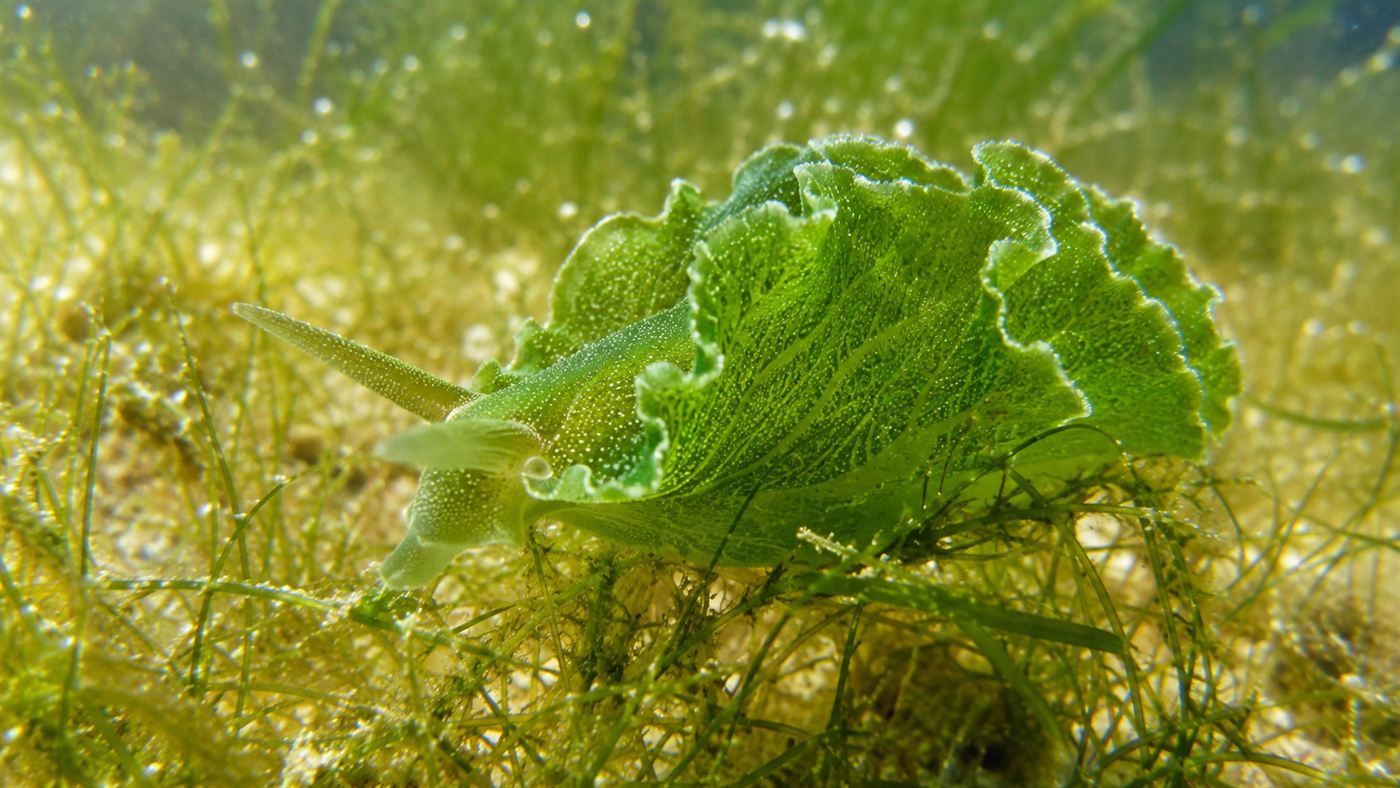
Elysia chlorotica looks like a leaf because, in a sense, it has decided to live like one. Illustration: Watts & Wild.
The animal is called Elysia chlorotica, and it has earned the nickname the solar-powered sea slug. It is bright emerald green, rarely longer than a few centimetres, and so leaf-like that you could mistake it for a scrap of seaweed. The colour is not decoration. It is the visible proof of one of the strangest survival tricks in the animal kingdom.
Most animals eat, digest, and move on. This one does something far stranger. It feeds on a thread-like alga, then keeps part of that alga alive inside its own body and lets it work, quietly turning light into food for months on end. It is, as far as biologists know, the closest any animal has come to becoming a plant.
An animal that runs on sunshine
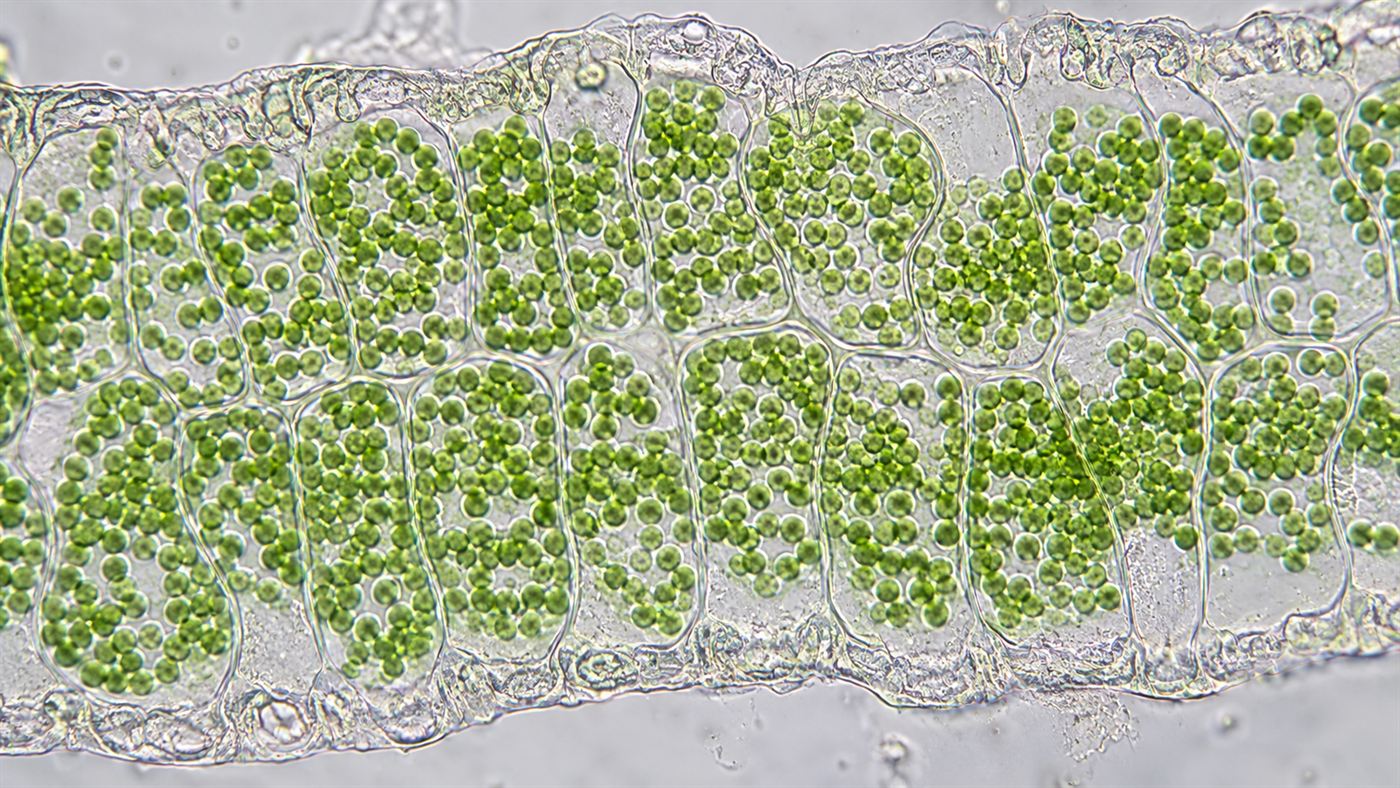
When a young Elysia chlorotica finds its favourite alga, a species called Vaucheria litorea, it does not simply swallow it. It pierces the algal cell with mouthparts like a tiny needle and sucks out the contents, the way you might drain a juice box. But instead of digesting everything, it carefully keeps the chloroplasts, the green specks that carry out photosynthesis, and tucks them into the cells lining its own gut.
Those stolen chloroplasts keep doing their day job inside their new owner. Bathed in sunlight through the slug's thin, flattened body, they go on splitting water and building sugars, feeding the animal from the inside. Once a slug is fully loaded with chloroplasts, it can stop hunting altogether and live off light for the better part of a year. Scientists call this theft of working machinery kleptoplasty, from the Greek for stolen plastids.
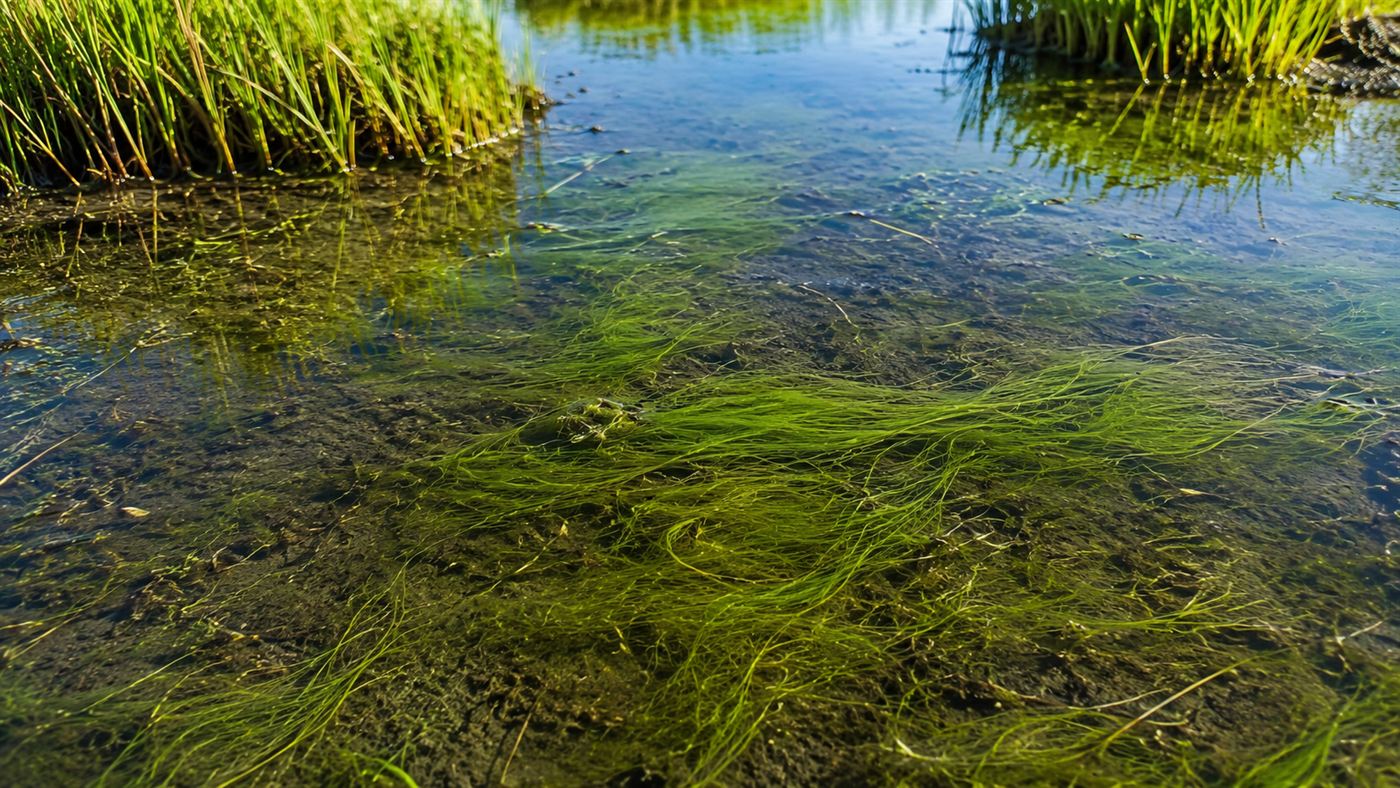
How the solar-powered sea slug steals its power
Here is what makes the feat almost unbelievable. A chloroplast is not a self-contained battery. To keep running, it normally depends on hundreds of proteins that are made not inside the chloroplast itself but by the nucleus of the host plant or alga. The sea slug takes the chloroplasts but throws the algal nucleus away, and yet the stolen parts keep working for months, long after they should have starved and gone dark.
In the alga, those same chloroplasts would never survive cut off from their command centre. Somehow, inside the slug, they do. That single fact has kept biologists arguing for years, because by every rule of cell biology these green machines should fail within days, and instead they hum along through most of the slug's adult life.
The mystery scientists still argue about
The most exciting explanation was that the slug had stolen more than chloroplasts. Some researchers, led by Sidney Pierce, proposed that genes from the alga had jumped into the slug's own DNA over evolutionary time, a process called horizontal gene transfer, giving the animal the instructions to keep the chloroplasts fed. It would mean an animal carrying working plant genes in its body.
The idea is thrilling, and also contested. When researchers sequenced the slug's genome, they did find traces of algal genes, but not the clean toolkit you would expect if the slug were quietly running the chloroplasts itself. The honest state of the science is that nobody is yet certain how the slug keeps its stolen solar panels alive, only that it does. Other ideas point to unusually tough chloroplasts and to repair proteins the slug makes on its own.
The honest catch
It is tempting to picture the slug as a tiny animal that has quit eating forever and lives on light like a houseplant, but the truth is more careful. The slug must feed hard on algae when it is young to load up on chloroplasts in the first place, and there is real debate about how much of its survival actually comes from photosynthesis versus the energy reserves it built up while feeding. Some experiments suggest the light may matter less than the dramatic green colour implies.
What is not in doubt is the strangeness. The chloroplasts inside Elysia chlorotica stay functional far longer than in any other animal known to science, and the slug ends its life much as a leaf does, fading after a single breeding season. It is a creature that blurred the oldest line in biology, the one between the things that eat and the things that make their own food.
Is Elysia chlorotica the only animal that photosynthesizes?
Not quite the only one to try, but the only one that is really good at it. Several related sea slugs also pinch chloroplasts from their algal meals, yet in most of them the stolen plastids fade within days or a couple of weeks. Elysia chlorotica is the champion because it keeps them productive for the better part of a year, which is why it, more than any other animal, gets called solar-powered.
Why a leaf-shaped slug matters
Beyond the sheer wonder of it, the slug is a living laboratory for a question scientists very much want answered: how do you keep a chloroplast alive outside the organism that built it? If we ever understood that fully, it could feed research into engineering photosynthesis into places it has never been. For now, the solar-powered sea slug remains a quiet marvel in the marsh, an animal that looked at a plant and decided to borrow its best idea.
An animal the size of your thumbnail eats a plant, keeps its solar panels running, and then lives on light for a year. Would you call Elysia chlorotica an animal that gardens, or a plant that swims? Tell us what you think in the comments.
Related reading: the immortal jellyfish that can wind its own life back to the beginning and start again.