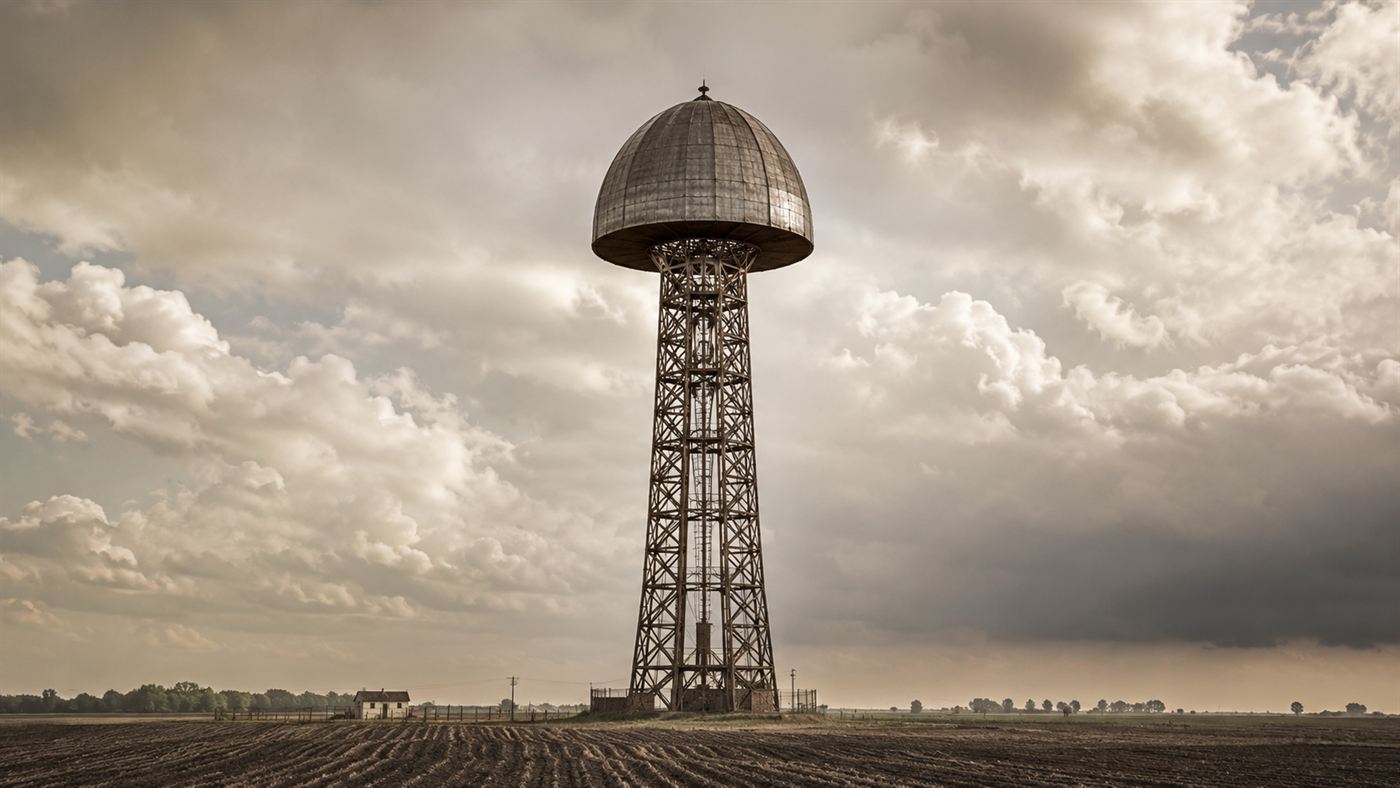
The man who armed the world's navies built the first house ever lit by water, a Victorian smart home run by its own lakes
In December 1880, a country house in Northumberland called Cragside became the first home on Earth to be lit by hydroelectricity, its lamps fed by water falling through the estate's own woods. The man behind it, Sir William Armstrong, had made his fortune building artillery, and then quietly built the greenest house of the Victorian age.
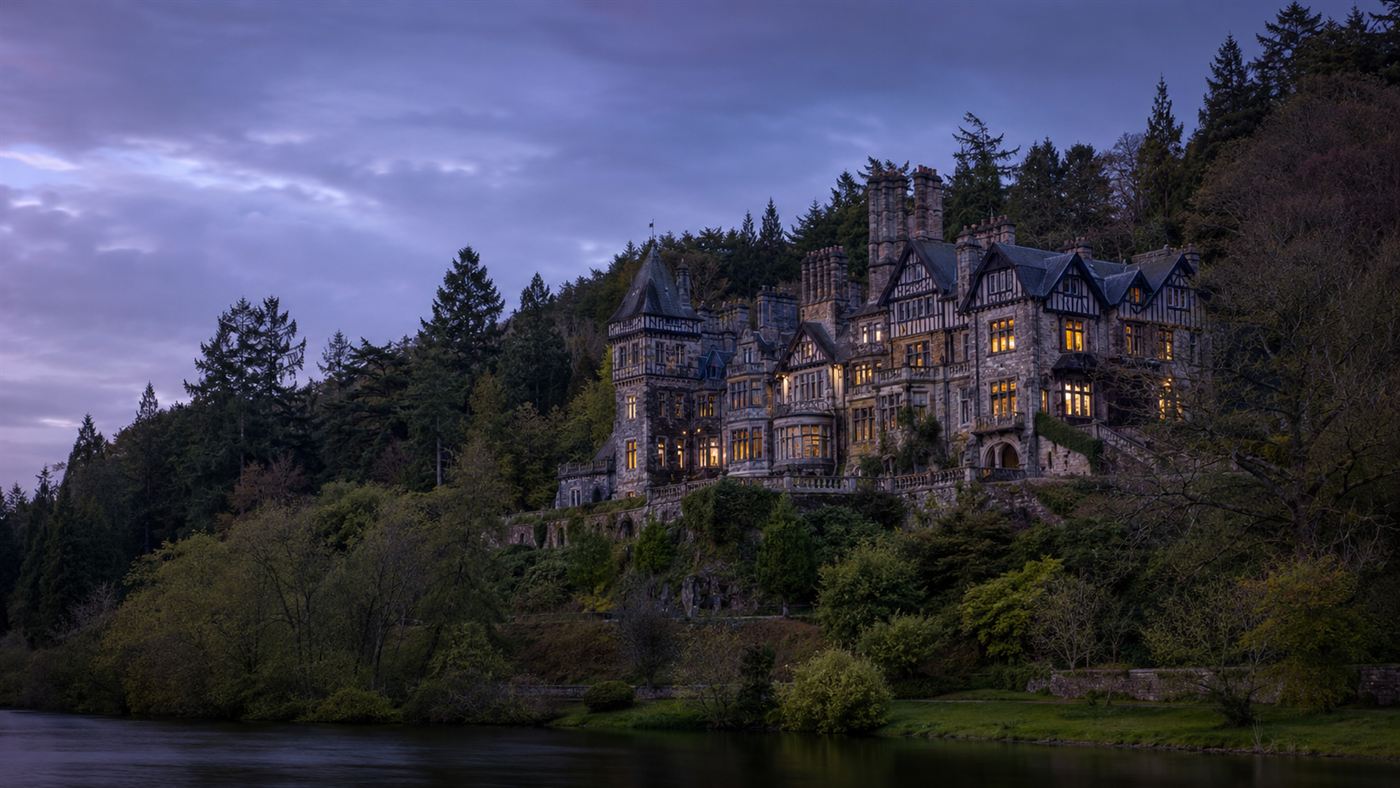
Cragside at dusk, the first house in the world lit by water. Illustration: Watts & Wild.
The story sits oddly with the man who made it happen. Sir William Armstrong was one of the richest and most powerful industrialists in Victorian Britain, and a great deal of that wealth came from weapons. His works at Elswick on the Tyne turned out the Armstrong guns that armed navies and armies around the world. He was, in the bluntest terms, an arms magnate. And yet the house he built for himself in a steep wooded valley became a monument to clean, renewable power.
Armstrong had started out as a hydraulic engineer, fascinated by what moving water could do, and he never lost that fascination. At Cragside, his estate near Rothbury, he turned the whole landscape into a machine. He dammed streams to create artificial lakes, planted some seven million trees and shrubs across the bare hillsides, and ran the water back downhill to do work. The result was a Victorian mansion that ran, to a remarkable degree, on the energy of its own grounds.
How Cragside made electricity from a stream
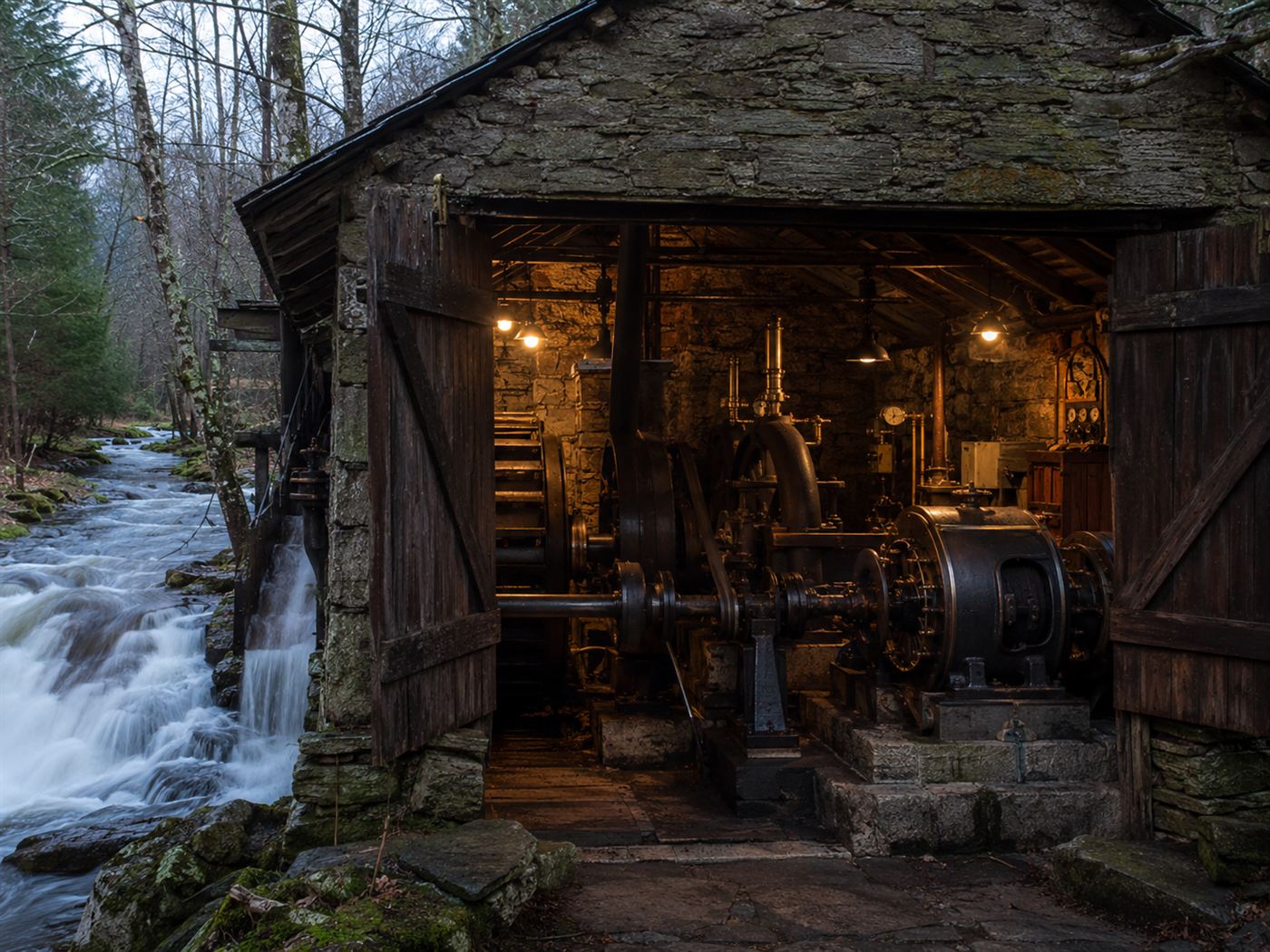
The electrical part began in 1878. Armstrong installed a water turbine of about 6 horsepower connected to a Siemens dynamo, driven by water dropping roughly 1,500 yards down the estate from one of his lakes. As the IET Archives describe it, that turbine and dynamo first powered a single bright arc lamp in the picture gallery, a harsh, flickering light that Armstrong found impressive but unpleasant to live with.
The real leap came two years later. In December 1880 the inventor Joseph Swan, a friend of Armstrong's and a fellow north-easterner, installed his new incandescent bulbs at the house, around 45 of them, with the system designed to run about 37 at once. These were soft, steady and warm, nothing like the glare of the arc lamp. With them in place, as the National Trust records, Cragside became the first house in the world to be lit by hydroelectricity. Swan himself regarded it as the first proper installation of his lamps anywhere.
A Victorian smart home, decades early
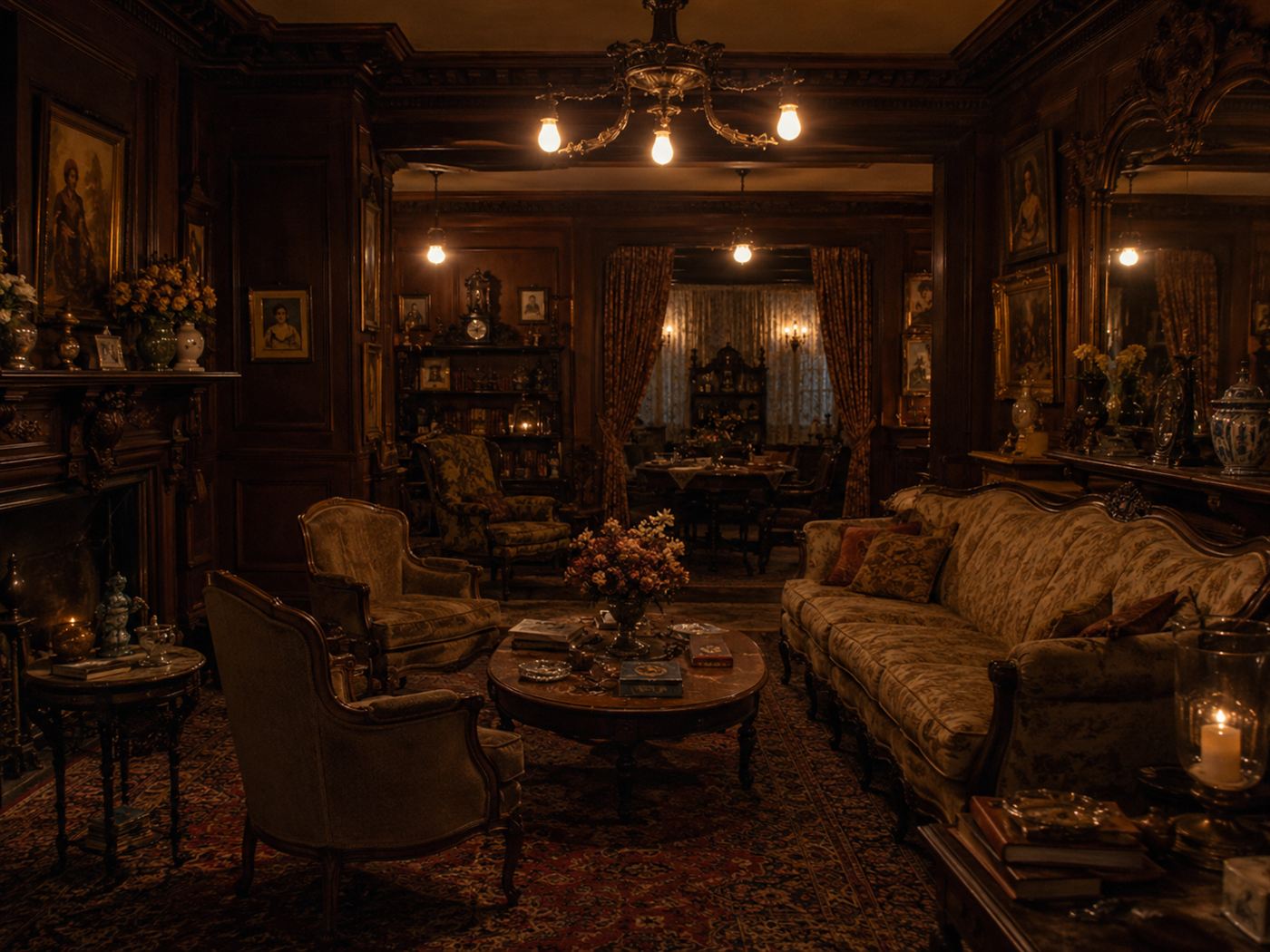
What makes Cragside genuinely startling is that the lighting was only part of it. The same water that spun the dynamo was put to work all over the house. By 1880 the estate's water power ran a hydraulic passenger lift, a rotating spit in the kitchen, an early dishwasher, the laundry, hot and cold running water, central heating, a system of fire alarms and even an internal telephone line.
Put together, that is a list a modern home would recognise. Long before the word existed, Armstrong had built something close to a smart home, with the labour quietly done by water instead of servants or, later, the grid. Visitors arrived expecting a rich man's country pile and found a working demonstration of what engineering could do for daily life, all of it powered by rain that had fallen on the surrounding hills.
A weapons maker who saw the end of coal
The most surprising thing about Armstrong is not the gadgets but the way he thought. He understood, decades ahead of most, that coal was a finite resource that Britain would one day burn through. He argued openly that water and even the Sun would have to supply the energy of the future, and he treated his own estate as a small proof that renewable power could run a household in comfort.
Coming from a man whose fortune was built on industry and armaments, that foresight is striking. He was not a romantic dreamer trying to escape the modern world. He was one of its chief engineers, and he had simply looked at the numbers and concluded that burning coal forever was not an option. Cragside was, in a sense, his answer written in stone, water and electric light.
The honest catch
A few caveats keep the halo from sitting too neatly. The claim that Cragside was the very first house lit by electricity needs care: it was first to be lit by hydroelectricity, but Swan had already lit his own home with his bulbs, and various firsts in early electric lighting overlap and are still argued over. Cragside's specific, defensible record is the water-powered one.
There is also the uncomfortable source of the money. The same engineering genius that lit a house with a mountain stream also designed guns that killed people on a large scale, and the fortune that paid for all those lakes and turbines came partly from selling them. Armstrong was a visionary about clean energy and a major arms manufacturer at the same time, and both things are true at once.
Why a Victorian house still matters
Cragside is now a National Trust property, and people still walk its woods and stand in rooms once lit by the first hydroelectric lamps in history. It is easy to think of renewable power as a recent idea, something invented in our own anxious century. A house in Northumberland, glowing softly in 1880 on the strength of its own lakes, says otherwise.
The technology was tiny by modern standards, a 6 horsepower turbine lighting a few dozen bulbs, but the idea was enormous and more than a century early. Does it change how you see clean energy to know a Victorian arms baron got there first? Tell us in the comments.
Related reading: A pile of silver, zinc and brine settled a bitter feud about twitching frog legs and gave the world its first steady electric current.