Saudi Arabia has almost no rivers, so it drinks the sea, and its newest mega-plant just stopped burning oil to do it, turning 600 million litres of seawater into drinking water a day
Saudi Arabia is the largest country on the planet with no permanent rivers, and most of the water its people drink is pulled straight out of the ocean and stripped of its salt. In 2025 the kingdom rebuilt one of its biggest plants to do that job a smarter way, with reverse osmosis and a field of solar panels instead of a furnace burning oil.
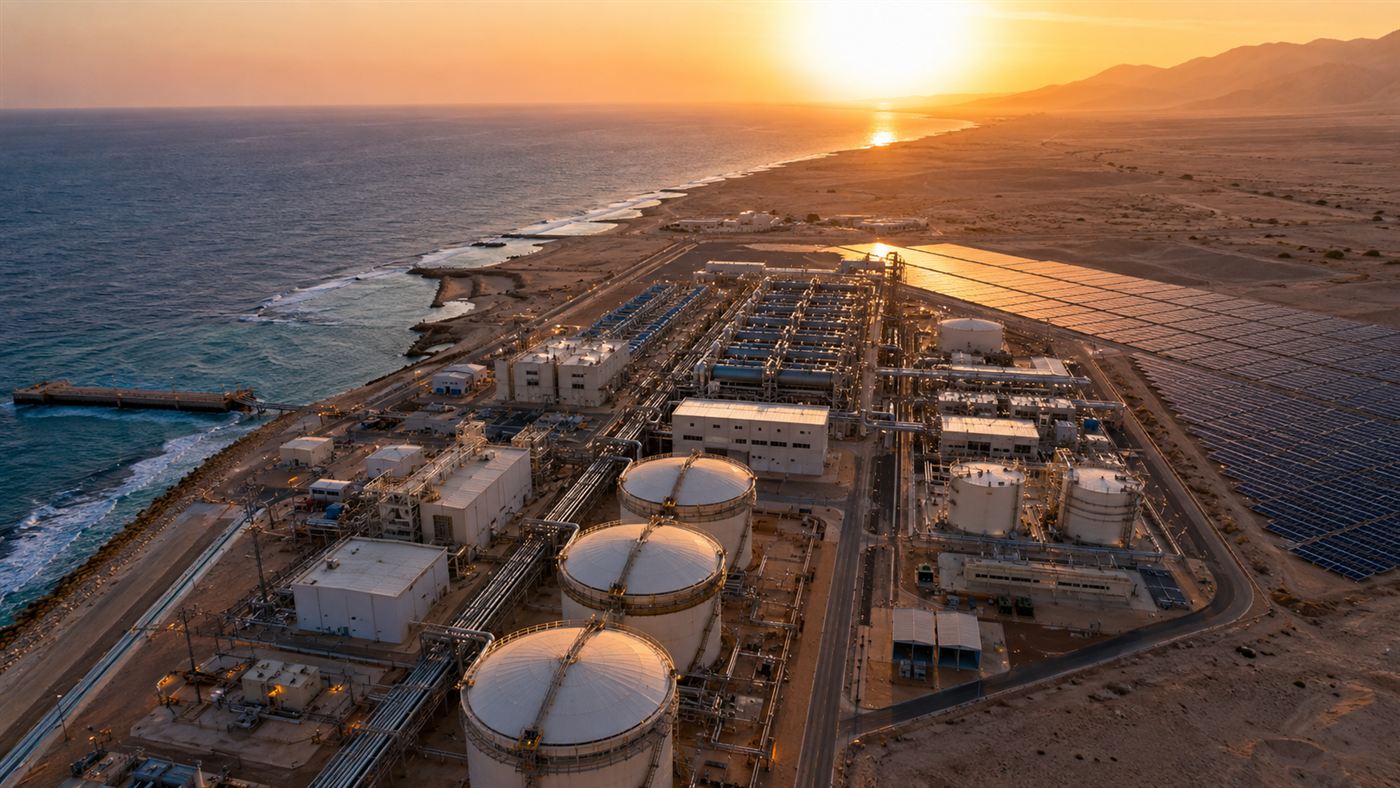
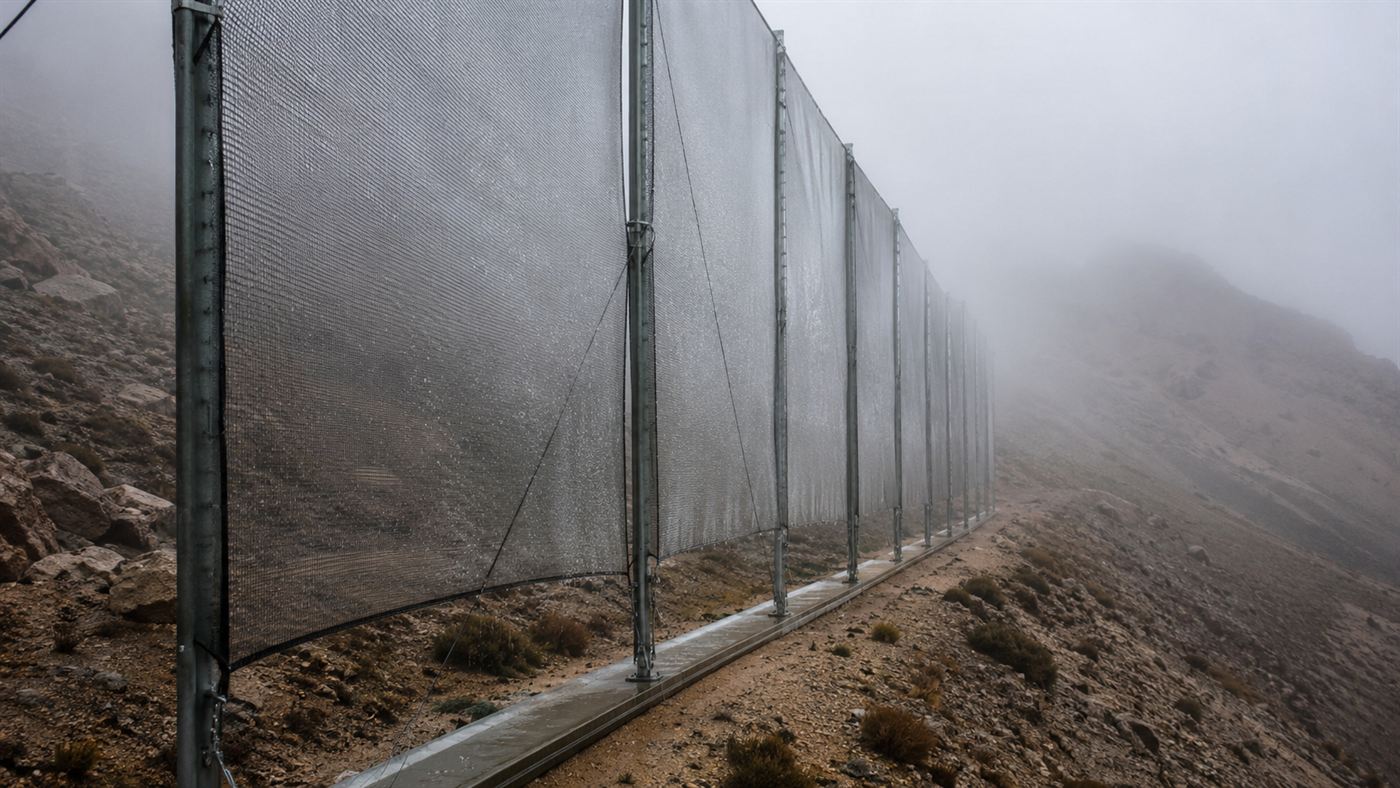
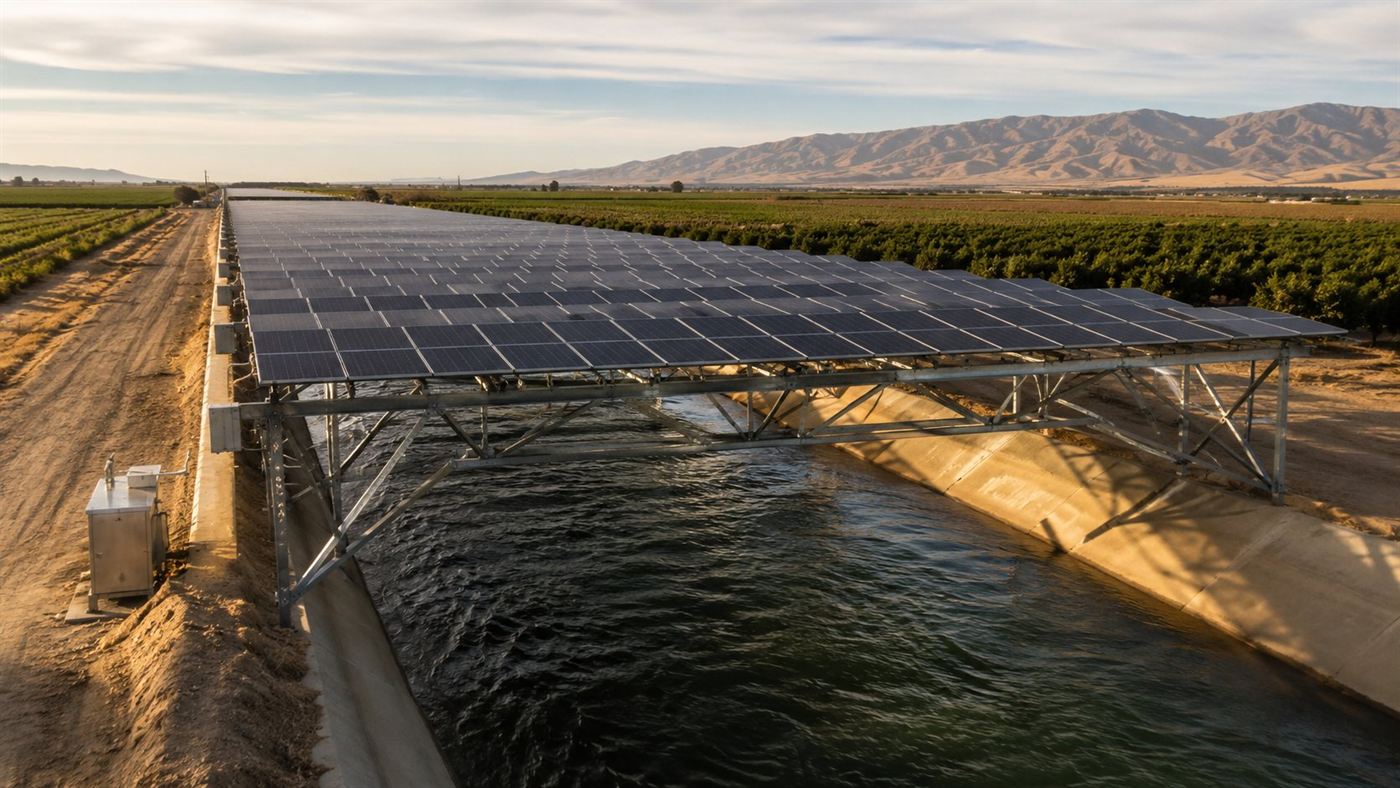
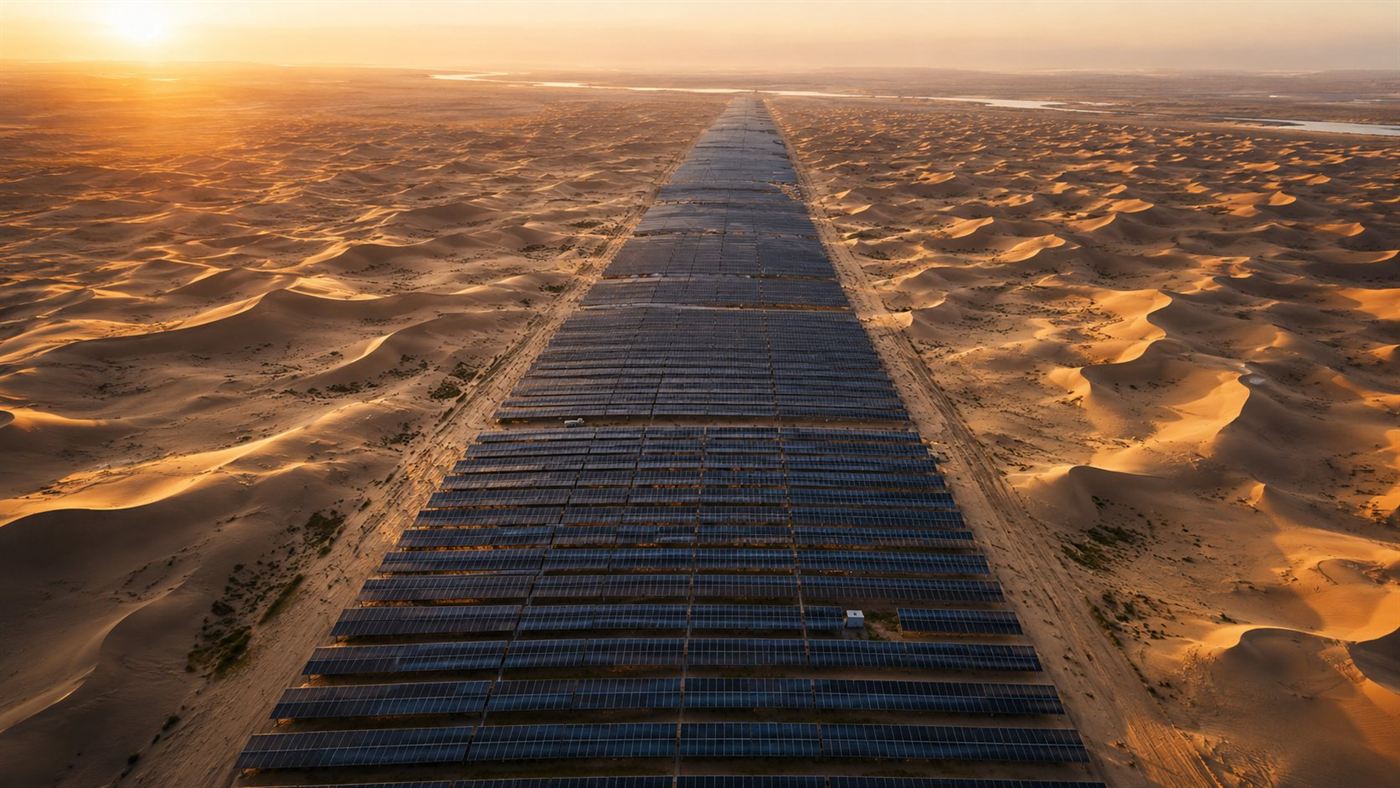
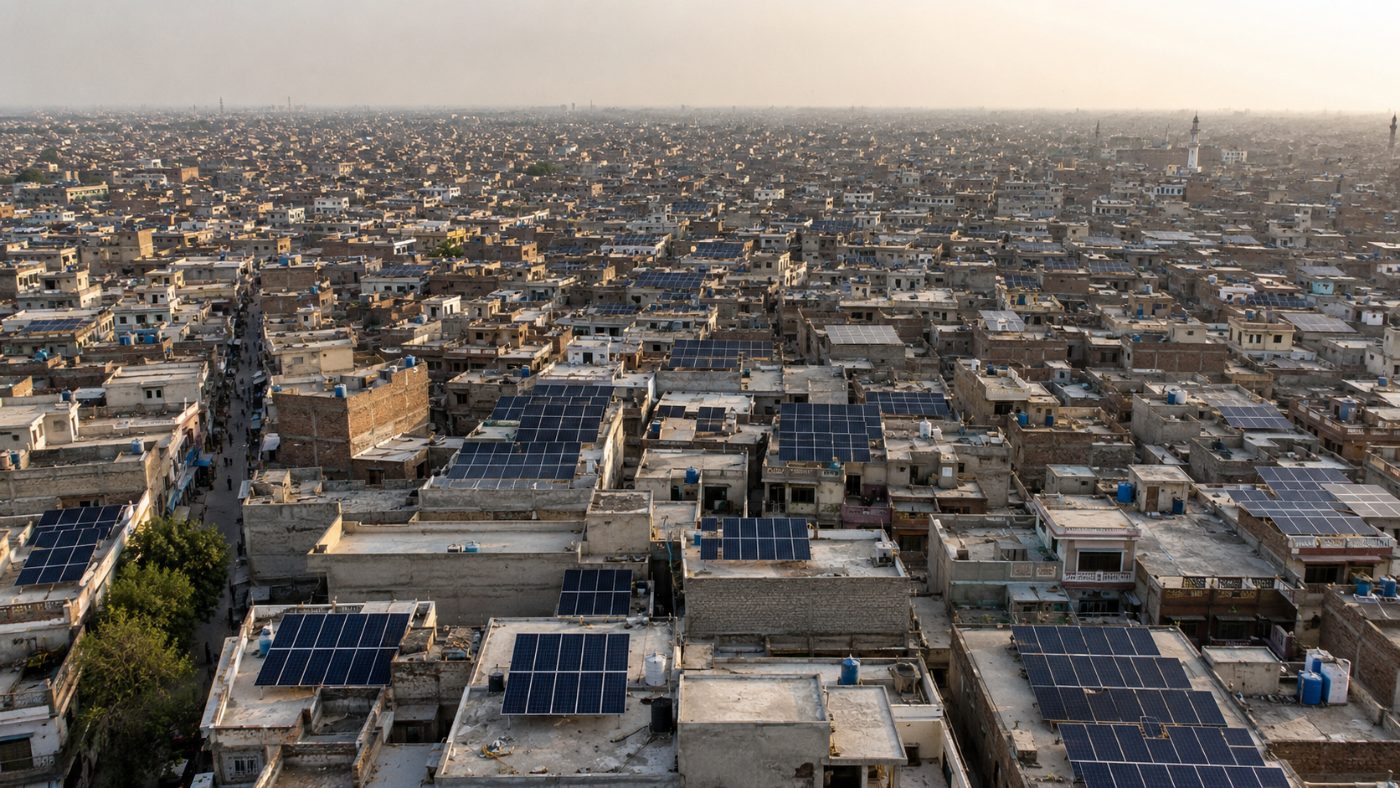
A country with no rivers turns the Red Sea into tap water. Illustration: Watts & Wild.
Turn on a tap in Jeddah or Mecca and the water that comes out started its journey as the Red Sea. Saudi Arabia sits on top of the world's largest oil reserves and almost none of its fresh water, a country so dry it has not one river that flows all year round. To drink, it leans on Saudi seawater desalination, doing something that still sounds slightly impossible at this scale: taking the salt out of the ocean.
In 2025, the kingdom finished rebuilding one of the plants that does this, the Shuaibah 3 facility on the Red Sea coast south of Jeddah. As the Middle East Economic Survey reported when Saudi Arabia commissioned the rebuilt plant, it produces 600,000 cubic metres of drinking water every single day, which is 600 million litres, enough to keep some of the country's holiest and most crowded cities supplied.
A country that has to drink the ocean
It is hard to overstate how dry Saudi Arabia is. It is the biggest country in the world with no perennial rivers and no real surface water to speak of, just the occasional flash flood in the mountains and ancient groundwater that is being pumped faster than it will ever refill. That leaves the sea.
According to figures from the kingdom's own Ministry of Environment, Water and Agriculture, around 70 percent of Saudi Arabia's drinking water now comes from desalinated seawater. The country is effectively built on a machine that runs day and night turning the ocean into something a person can drink, and Shuaibah is one of the largest pieces of that machine.
What just switched on at Shuaibah
The new Shuaibah 3 plant was built by the Saudi power and water developer ACWA Power, replacing an older facility on the same stretch of coast. ACWA Power describes the project as a reverse osmosis plant feeding the cities of Makkah, Jeddah, Taif and Al Baha, the corridor that carries millions of pilgrims to Mecca every year.
Six hundred thousand cubic metres a day is a genuinely large number. To picture it, that is roughly 240 Olympic swimming pools of fresh drinking water produced between sunrise and sunrise, every day, from water that an hour earlier was salty enough to make you sick. And the way it now does that is the real change.
Why boiling the sea was the old, dirty way
For most of the history of Gulf desalination, the trick was brute force heat. The old plants worked by thermal distillation: you boil seawater, catch the steam, and let the salt stay behind. It works, and in a country swimming in cheap oil and gas it made a certain sense, but it is enormously hungry. You are essentially burning fuel to make an ocean's worth of steam.
That is the part Shuaibah 3 walked away from. The rebuilt plant swaps boiling for membranes, and the saving is not small. Switching from thermal distillation to reverse osmosis cuts the energy needed to make the same water by around 70 percent, which is why almost every new plant in the region is now built this way.
How reverse osmosis drinks the sea
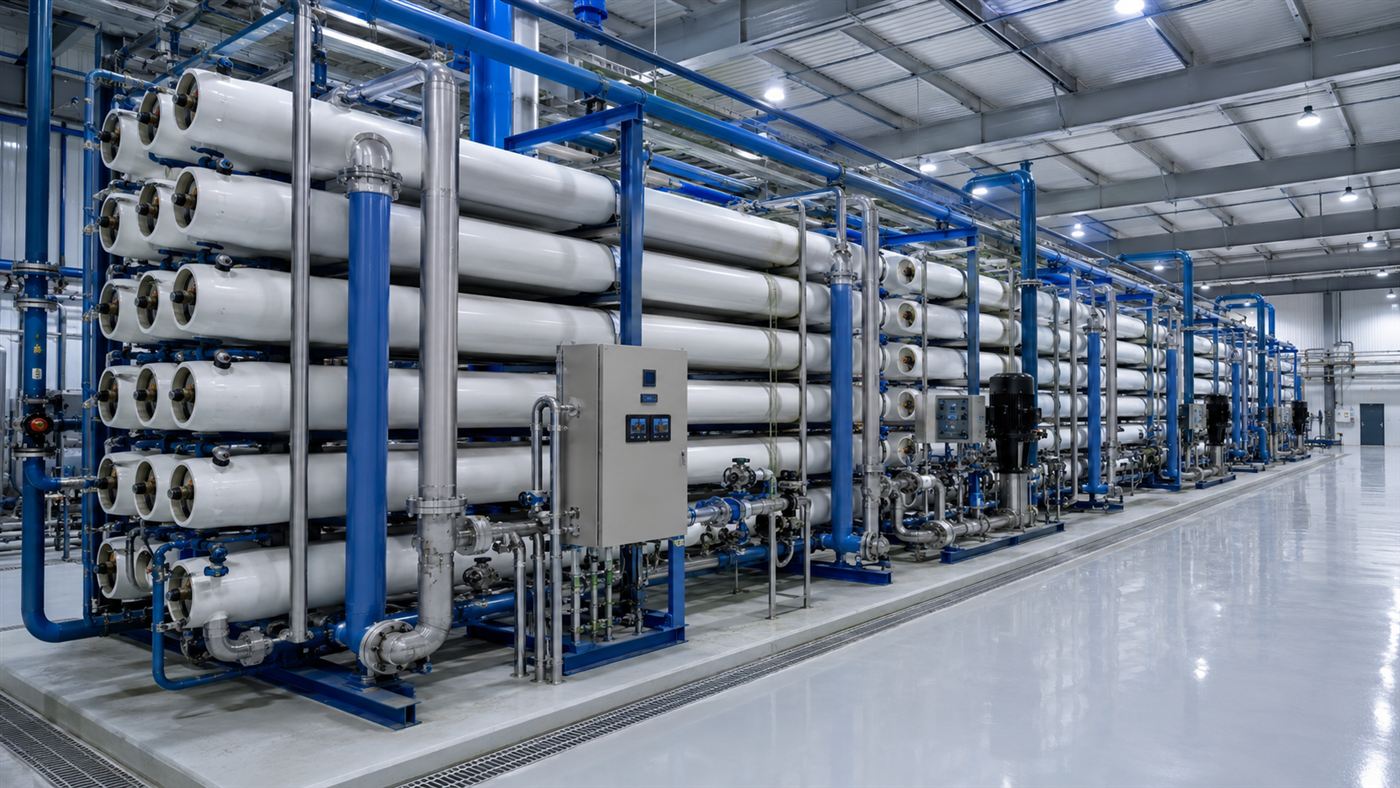
Reverse osmosis is a beautifully simple idea doing a brutally hard job. Push seawater hard enough against a membrane riddled with holes too small for salt to fit through, and water molecules squeeze across while the salt is left stranded on the other side. No boiling, no steam, just pressure and very clever plastic.
The catch is the pressure. The sea pushes back, so the pumps have to shove the water through at enormous force, and that force is electricity. This is why the energy source behind a reverse osmosis plant matters so much, and why what sits next to Shuaibah is part of the story.
The solar twist
Here is the part that would have sounded like a joke a decade ago: an oil kingdom using sunshine to make its water. The Shuaibah 3 project pairs its pumps with a dedicated solar array, reported at around 65 megawatts, feeding clean power straight into the plant during the long, blazing daylight hours when the sun does most of the work for free.
It does not run on sunlight alone, and nobody claims it does. It still draws from the grid, especially at night. But pairing a desalination plant with its own solar field shaves a serious slice off both the fuel bill and the emissions, and in a place with this much sun, it is close to a no-brainer.
The honest catch
None of this makes desalination clean or free, and it is worth being straight about that. Reverse osmosis is far better than boiling, but it is still one of the most energy-intensive ways a country can get its water, and Saudi Arabia's appetite for it is only growing.
There is also what comes out the back. For every litre of fresh water a plant makes, it produces a gush of brine, water left roughly twice as salty as the sea, often warm and laced with treatment chemicals, and it gets pumped back into the Gulf and the Red Sea. Over time, near big plants, that hot, hyper-salty discharge can choke the very marine life the coast depends on. Drinking the sea, it turns out, slowly changes the sea.
Why Saudi seawater desalination matters
Shuaibah is not just a Saudi story. A growing list of countries, from the rest of the Gulf to Spain, Australia and parts of the United States, are reaching for the same answer as their rivers and aquifers run thin. How those plants are powered, and what they do with their brine, will shape whether desalination is a lifeline or a slow new problem.
What Saudi Arabia is proving at Shuaibah is that the basic machine can be made dramatically less wasteful, trading the furnace for the membrane and the barrel of oil for a panel of silicon. It does not solve the harder questions about cost and brine. But for a country that genuinely cannot survive without drinking the ocean, making that drink cheaper and cleaner is not a luxury, it is the whole game.
A country with no rivers quietly built its civilisation on the ability to drink the sea, and it just learned to do it with a lot less oil. Would you trust a city that depends entirely on desalination for its water, or does that feel too fragile to you? Tell us what you think in the comments.
Related reading: California just switched on the first US solar panels built over irrigation canals, and covering all 4,000 miles could save 63 billion gallons of water a year.