China just flew the world's first megawatt-class hydrogen engine, on a cargo drone
A small unmanned freighter climbed into the sky over central China this spring and flew for a quarter of an hour, an unremarkable-looking hop that was quietly historic. Its propeller was spun not by kerosene but by burning hydrogen, and it marked sixteen minutes that could echo for decades in how the world thinks about flying clean.
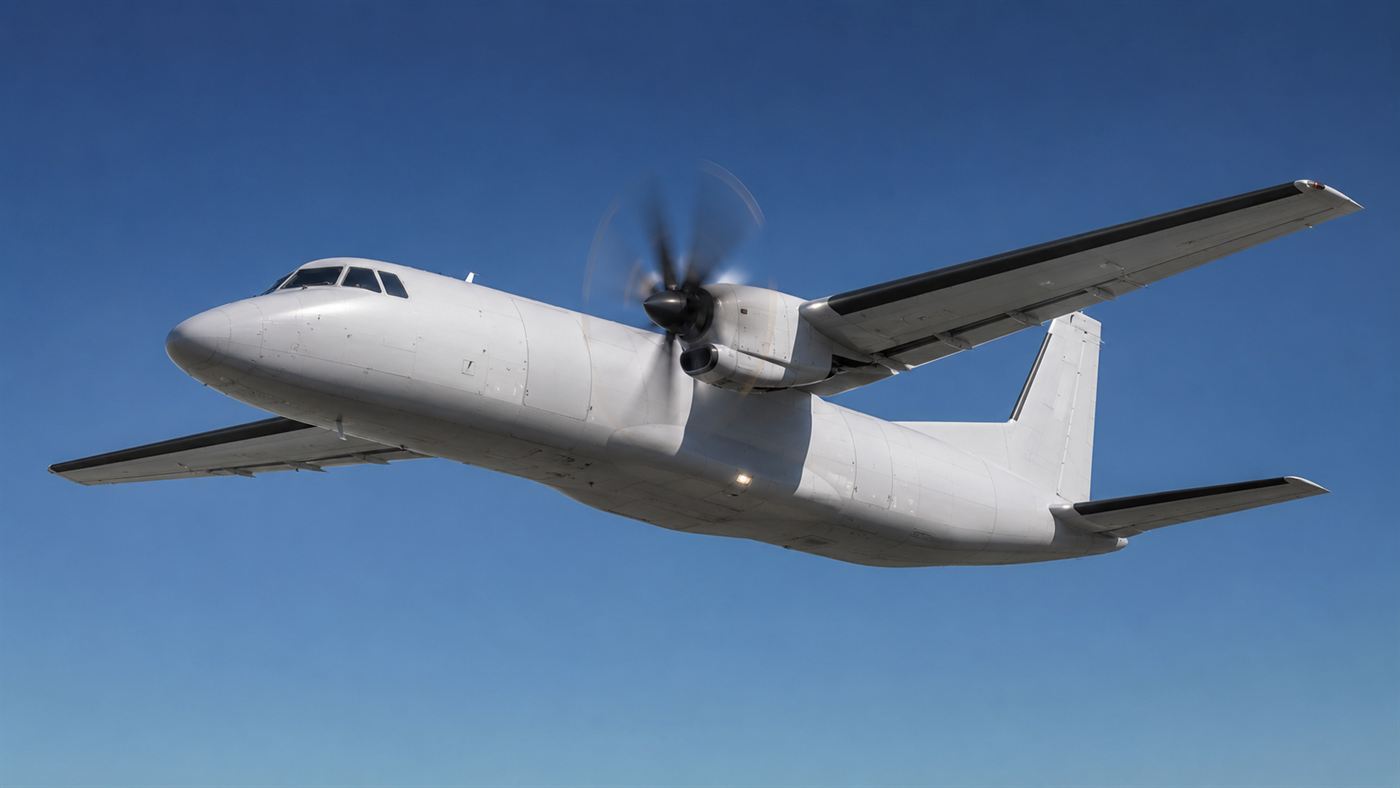
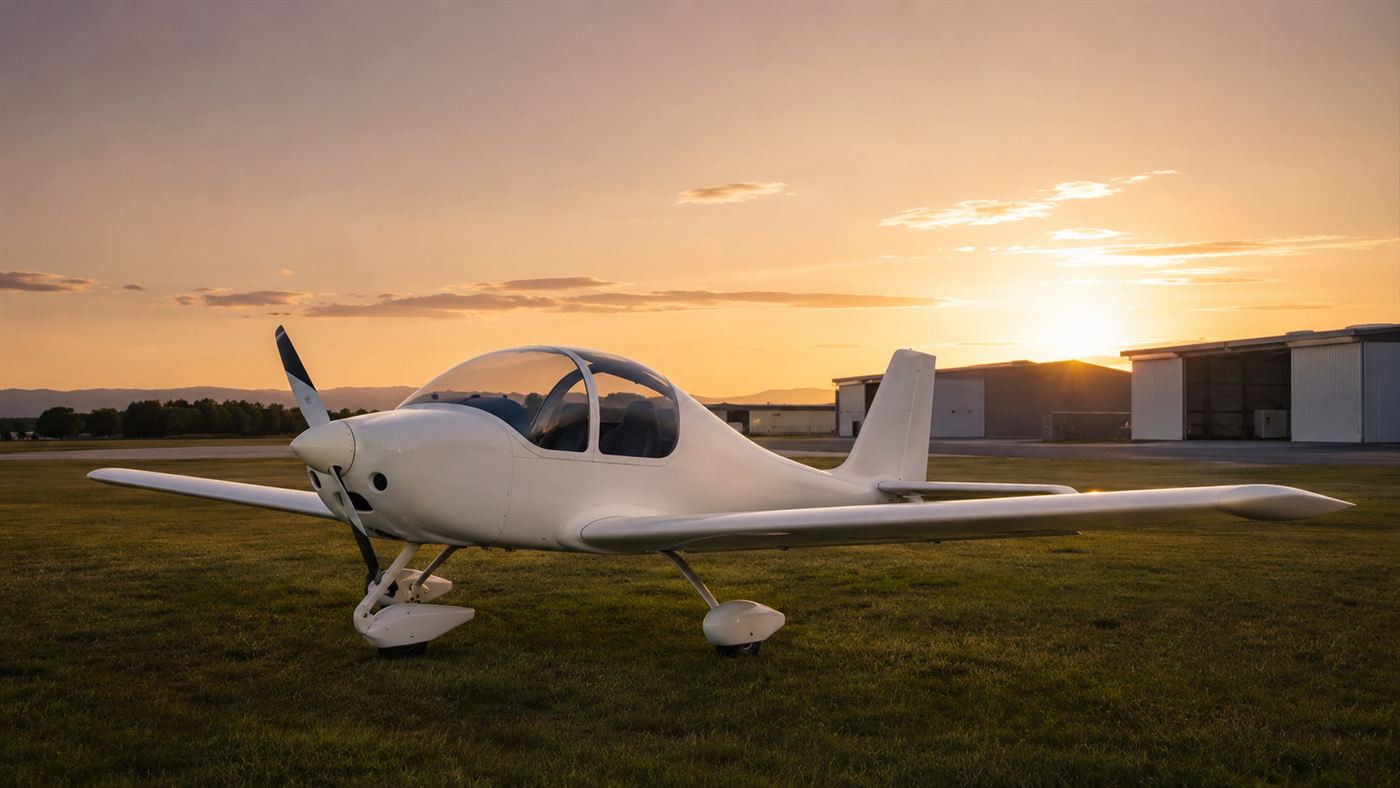
A cargo aircraft aloft on a hydrogen-burning turboprop, a first for an engine of this power. Illustration: Watts & Wild.
The short version is this. On April 4, 2026, a 7.5-tonne unmanned cargo aircraft took off from an airport in Zhuzhou, in China's Hunan province, powered by a megawatt-class hydrogen engine called the AEP100. It climbed to 300 metres, flew 36 kilometres at 220 kilometres an hour, and landed 16 minutes later with the engine reported in good health. It was the world's first flight of a hydrogen-fuelled turboprop at this power class.
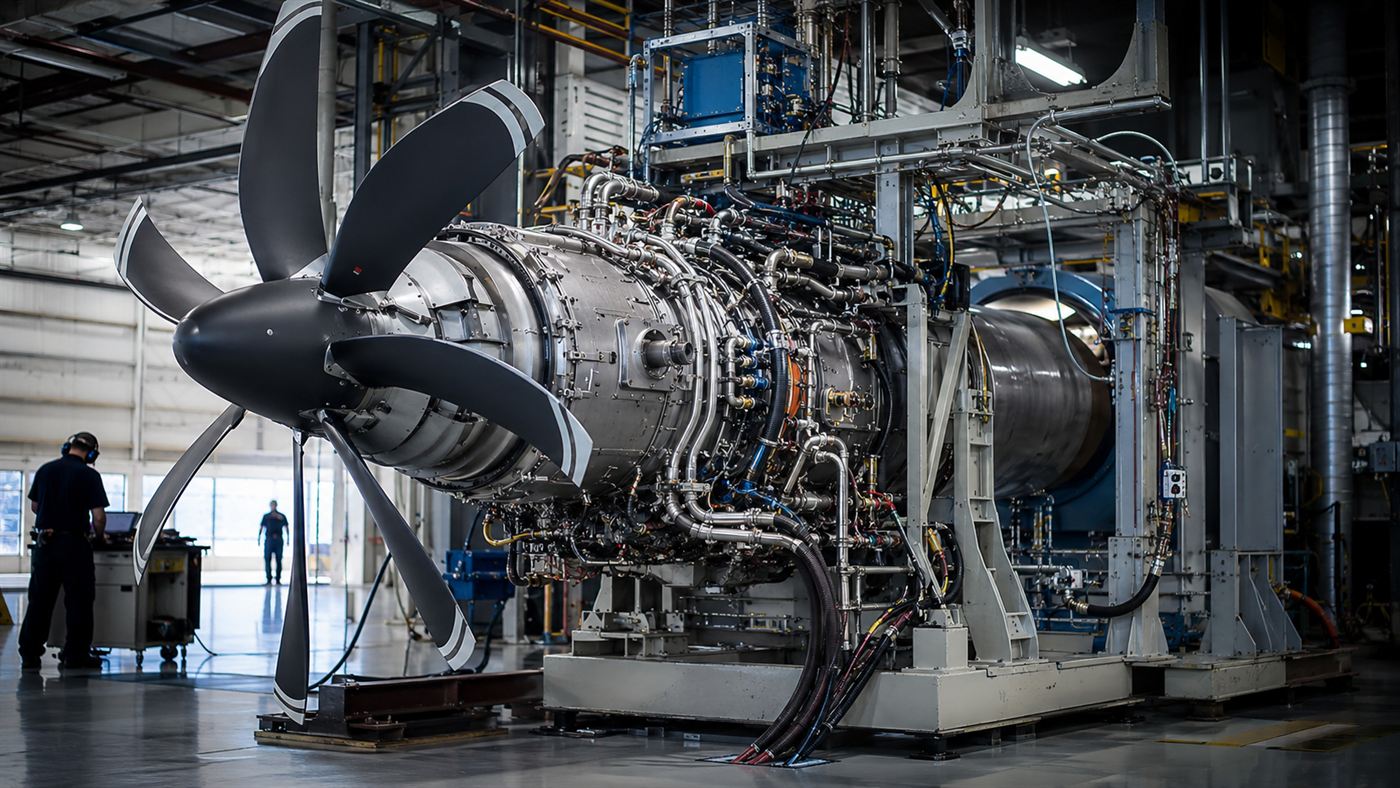
The engine was built by the Aero Engine Corporation of China, at its aviation powerplant institute in Zhuzhou. What makes it notable is not just that it ran, but that it ran at real, useful power. A megawatt is roughly the muscle you need to lift a serious load, which moves hydrogen flight out of the realm of tiny demonstrators and toward something that could actually haul cargo.
As ever, the leap is real and the caveats are large, and both deserve a clear look.
How a hydrogen engine actually flies a plane
This is not a battery-powered aircraft, and it is not a fuel cell quietly making electricity. The AEP100 is a turboprop, close cousin to the engines on many regional airliners, but instead of burning jet fuel it burns liquid hydrogen in its combustor to spin the same kind of propeller. In effect it is burning water's other half, the hydrogen we can split out of H2O, and the exhaust is mostly water vapour rather than carbon dioxide.
That is the appeal in one line. Do it with hydrogen made from clean electricity and you get powered flight with no carbon coming out of the back. Keep the familiar, well-understood shape of a turboprop and you avoid reinventing the entire aircraft. The engine is new, but the airframe around it can stay reassuringly ordinary.
Why China is starting with cargo drones
The choice of an unmanned freighter is deliberate and telling. China's engineers talk about hydrogen flight arriving first in what they call the low-altitude economy: pilotless air freight, cargo runs between islands, and delivery corridors where a handful of airfields can be fitted with the special equipment hydrogen needs. It is a cargo drone, not a passenger jet, and that is the point, not a limitation.
Starting there is smart. You avoid the enormous hurdle of certifying a new fuel for carrying people, you keep the aircraft near bases you control, and you build up real operating hours in a forgiving setting. If hydrogen aviation is ever going to grow up, this is the sensible nursery for it, proving the technology on freight before anyone dreams of putting passengers aboard.
So why is this so hard to scale?
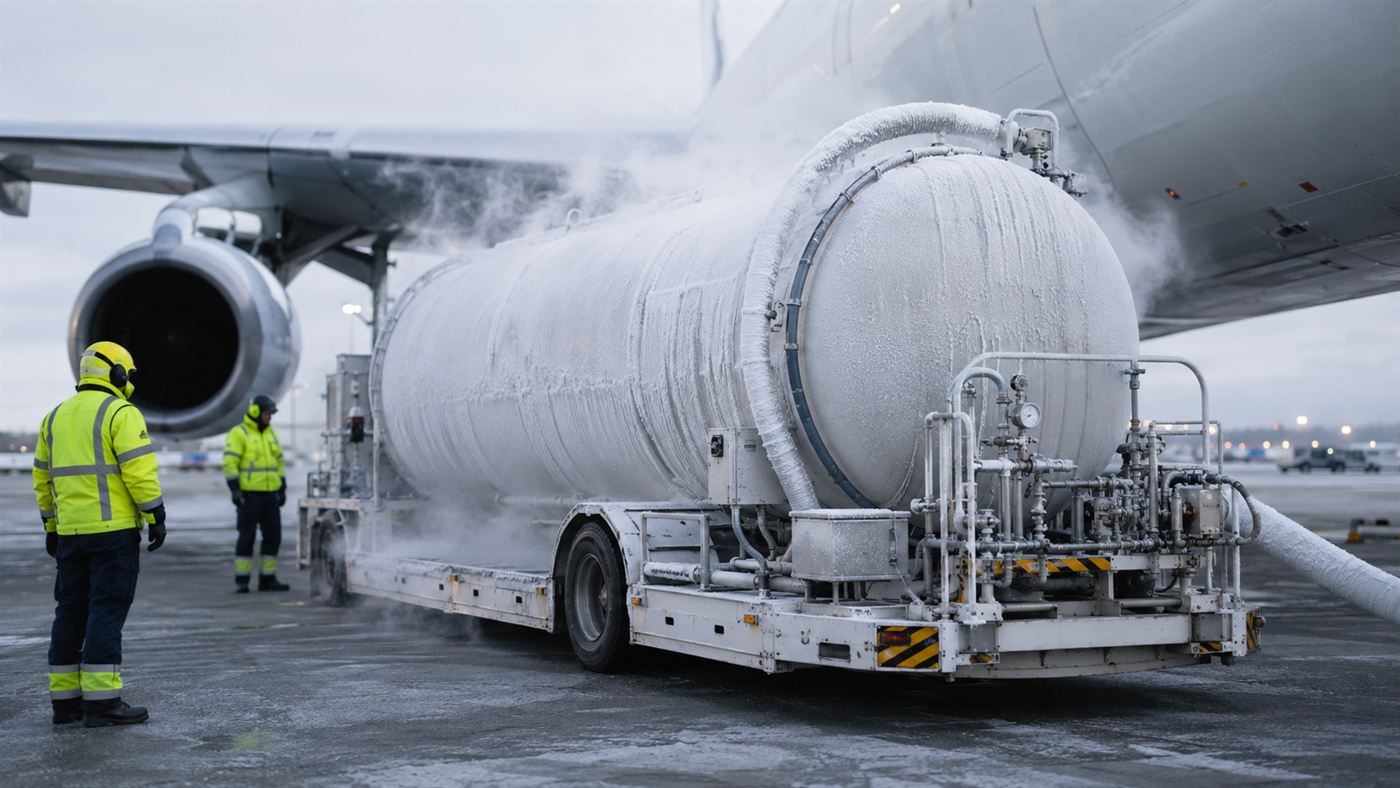
Here is the wall every hydrogen aircraft runs into. Hydrogen holds a lot of energy for its weight, but very little for its volume, so to carry enough you must either squeeze it to extreme pressure or chill it to liquid at around minus 253 degrees Celsius. That means big, heavy, superbly insulated tanks that swallow space a passenger cabin would want. The tank is the hard part, not the burning.
Then there is everything on the ground. You cannot fly hydrogen routes without hydrogen at the airports, which means new plumbing, new safety rules and a supply of genuinely clean hydrogen to begin with. Burn hydrogen made from fossil gas and much of the climate benefit evaporates. The Chinese effort is striking partly because it pairs the engine with a whole industrial chain, built at home, from components to full integration, but that chain still has to be scaled and cleaned up.
The honest catch
This flight deserves genuine respect. Getting a megawatt-class hydrogen engine to lift a real aircraft and land it safely is a serious feat, and it puts China at the front of a race that Europe and others are also running. The direction of travel, toward flight that does not depend on burning fossil carbon, is one worth cheering.
But keep the scale honest. This was a 16-minute hop by an uncrewed freighter, not a plane full of holidaymakers crossing an ocean, and the distance from here to that is measured in years and unsolved problems. Hydrogen is only as green as the way it is made, the tanks remain stubborn, and the ground network barely exists. What flew over Hunan is a promising beginning and a real milestone. It is not, yet, the future arriving, only the first clear sign of which way it might come.
Sources: Fuel Cells Works, CompositesWorld, and AirInsight.
A cargo drone burning hydrogen just flew for the first time at real power, and the rest is engineering and patience. Would you eventually board a plane that runs on hydrogen, or does the memory of hydrogen's fiery reputation still give you pause? Tell us what you think in the comments.
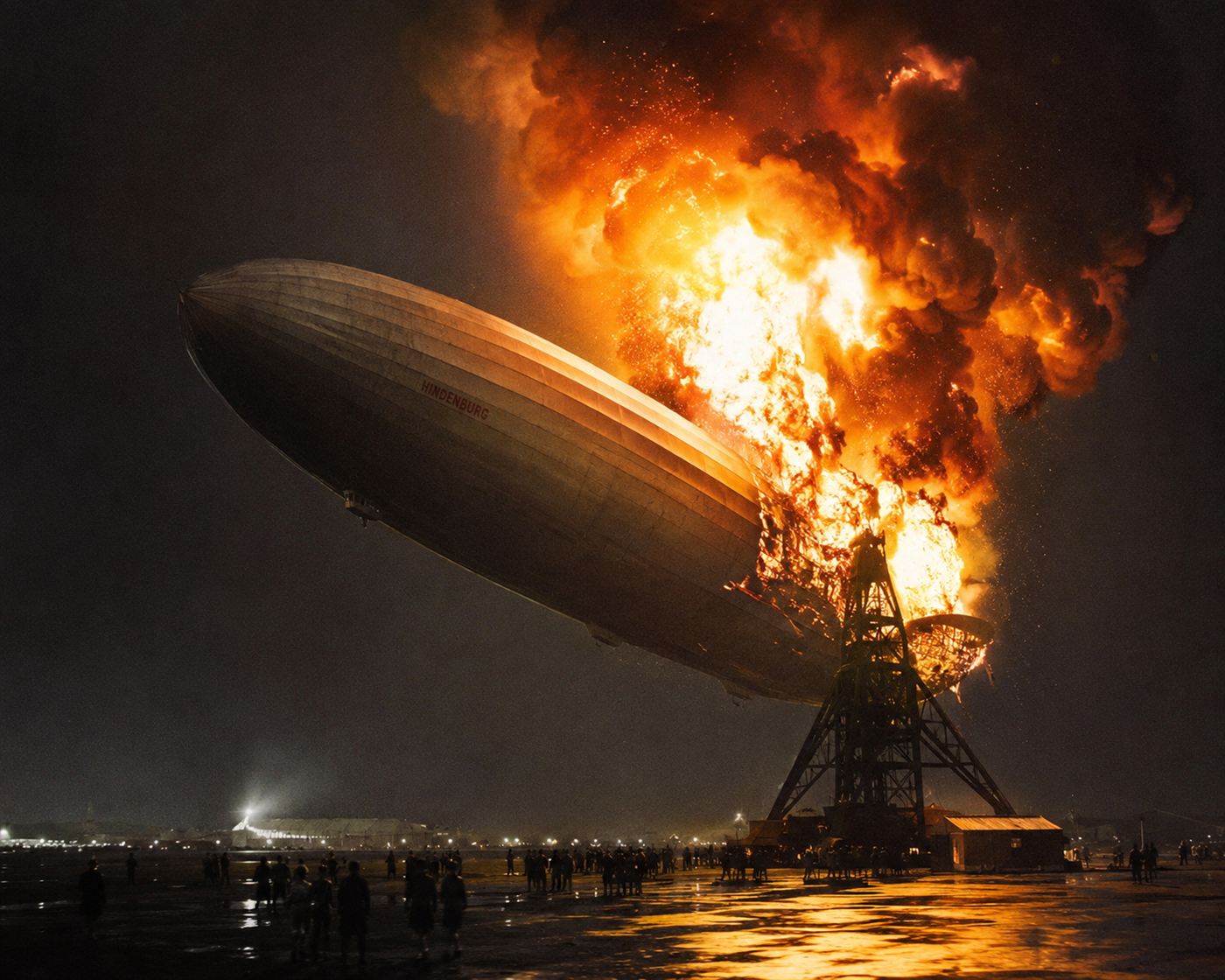
Related reading: the American plant making jet fuel from captured carbon dioxide instead. See also why battery-powered planes stay small and short-range, and the Hindenburg, and the fiery reputation hydrogen has spent decades living down.