Bhutan is the only carbon-negative country on Earth and measures success in Gross National Happiness, and it quietly turned its Himalayan hydropower into one of the world's biggest sovereign bitcoin mines
Bhutan is a tiny Himalayan kingdom that measures progress in Gross National Happiness and is the only carbon-negative country on the planet. To stop its young people from leaving, it has spent years quietly doing something startling: using its surplus hydropower to mine bitcoin by the billion.
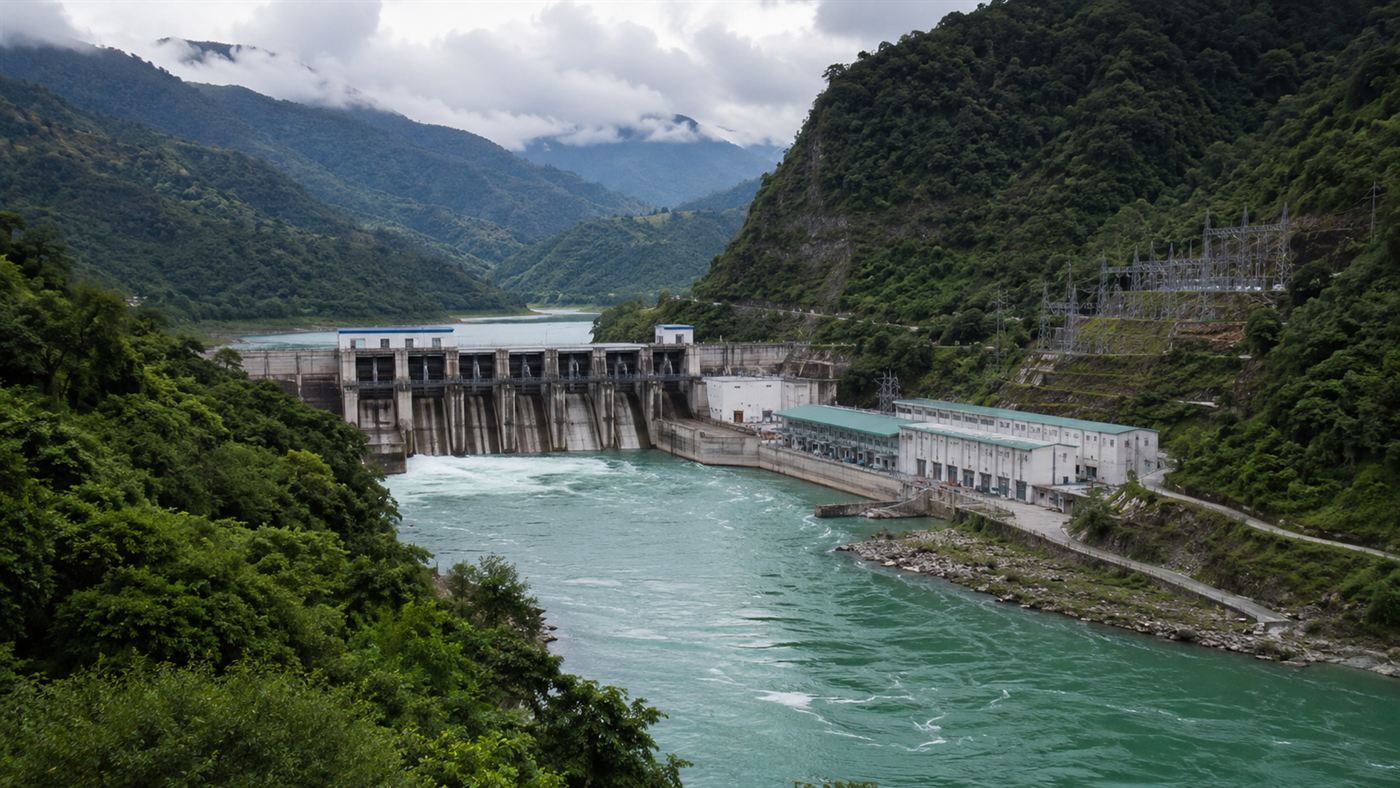
Bhutan runs almost entirely on Himalayan hydropower, and now spends part of it on bitcoin. Illustration: Watts & Wild.
Bhutan is the kind of country that writes happiness into its constitution. The small Buddhist kingdom in the eastern Himalayas measures its progress in Gross National Happiness, keeps more than 70 percent of its land under forest, and is the only nation on Earth that soaks up more carbon than it gives off. It is, on paper, the last place you would expect to find rooms full of humming bitcoin miners.
And yet that is exactly what it has built. Quietly, over several years, Bhutan's state investment company has poured the country's surplus hydropower into mining cryptocurrency, piling up a bitcoin stash that has at times been worth more than a billion dollars. The reason is not greed. It is fear, because its young people are leaving.
Bhutan is a small Himalayan country that runs almost entirely on hydropower and is the world's only carbon-negative nation. Since around 2019 its sovereign holding company has used surplus electricity to mine bitcoin, building reserves once worth over a billion dollars. The goal is to fund salaries and jobs that keep young Bhutanese from emigrating.
Bhutan, the world's only carbon-negative country
Start with the thing that makes the kingdom genuinely unique.
Its constitution requires at least 60 percent of the country to stay forested, and in practice the figure is over 70 percent, so its trees absorb far more carbon dioxide than its people and industry produce.
That makes Bhutan carbon negative, the only country on the planet that can honestly claim it, while most of the world is still arguing about reaching zero.
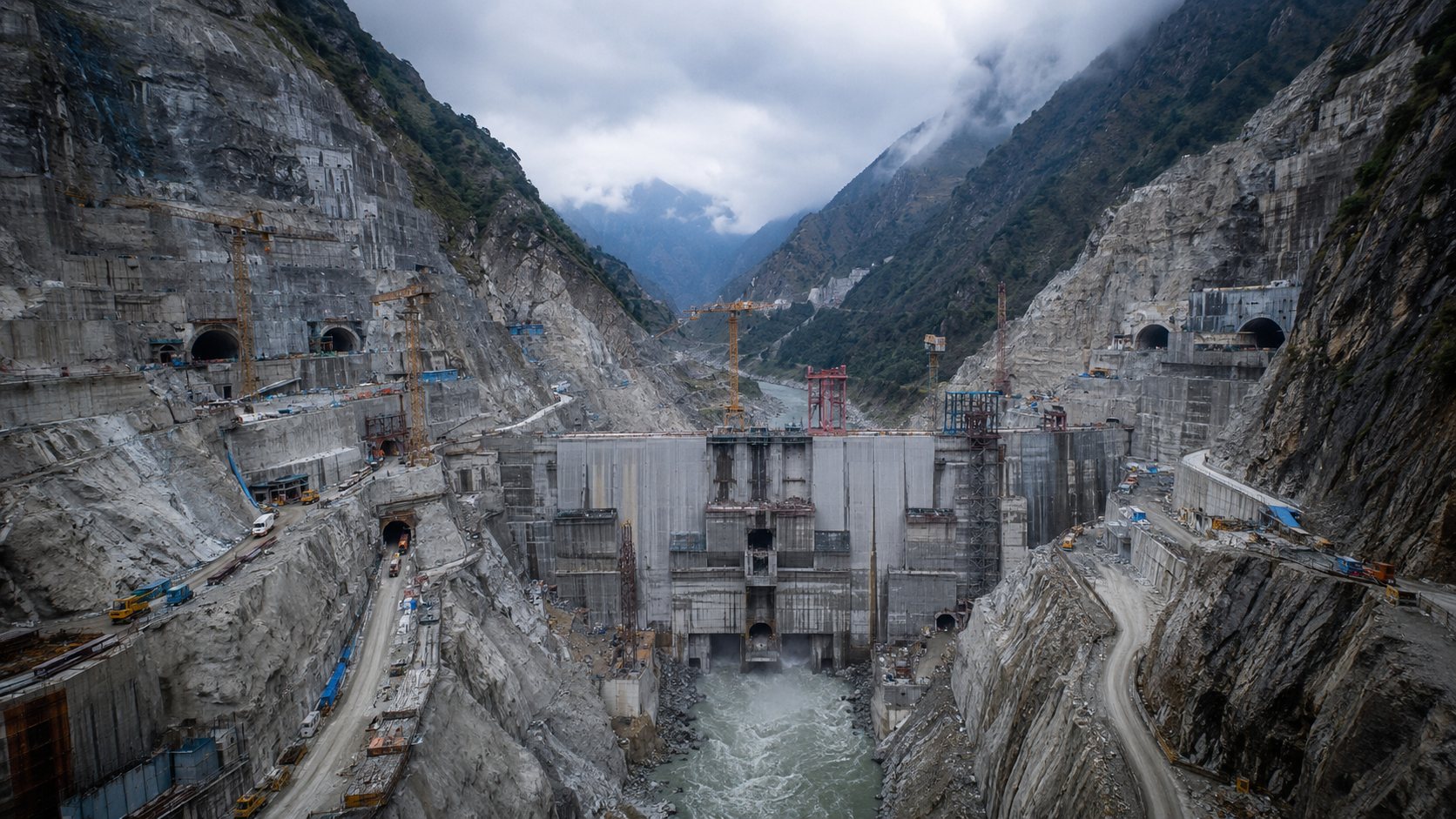
Almost all of its electricity comes from hydropower, generated by rivers fed by Himalayan glaciers, a clean resource it has in real abundance, much like the river water behind Ethiopia's giant GERD dam.
The country currently has around 3.5 gigawatts of hydropower capacity and the potential, on paper, for nearly ten times that, the kind of mountain water power that also drives China's enormous Medog megadam in the Himalayas.
For years it sold its surplus electricity to neighboring India, cheaply, and that is the quiet frustration this whole story grew out of.
Why is Bhutan mining bitcoin at all?
The logic is almost brutally simple.
Selling raw electricity over the border earns very little, but spend that same electricity running computers that mine bitcoin and the export becomes far more valuable.
So Bhutan's sovereign investment arm, Druk Holding and Investments, started building bitcoin mines powered by hydropower, with operations running since 2019.
As Cointelegraph has reported, the kingdom turned its clean energy surplus into a state-run bitcoin mining operation rather than let the power go cheap.
It was done so discreetly that the scale only became clear later, when its holdings peaked at roughly 13,000 bitcoin in late 2024, worth well over a billion dollars.
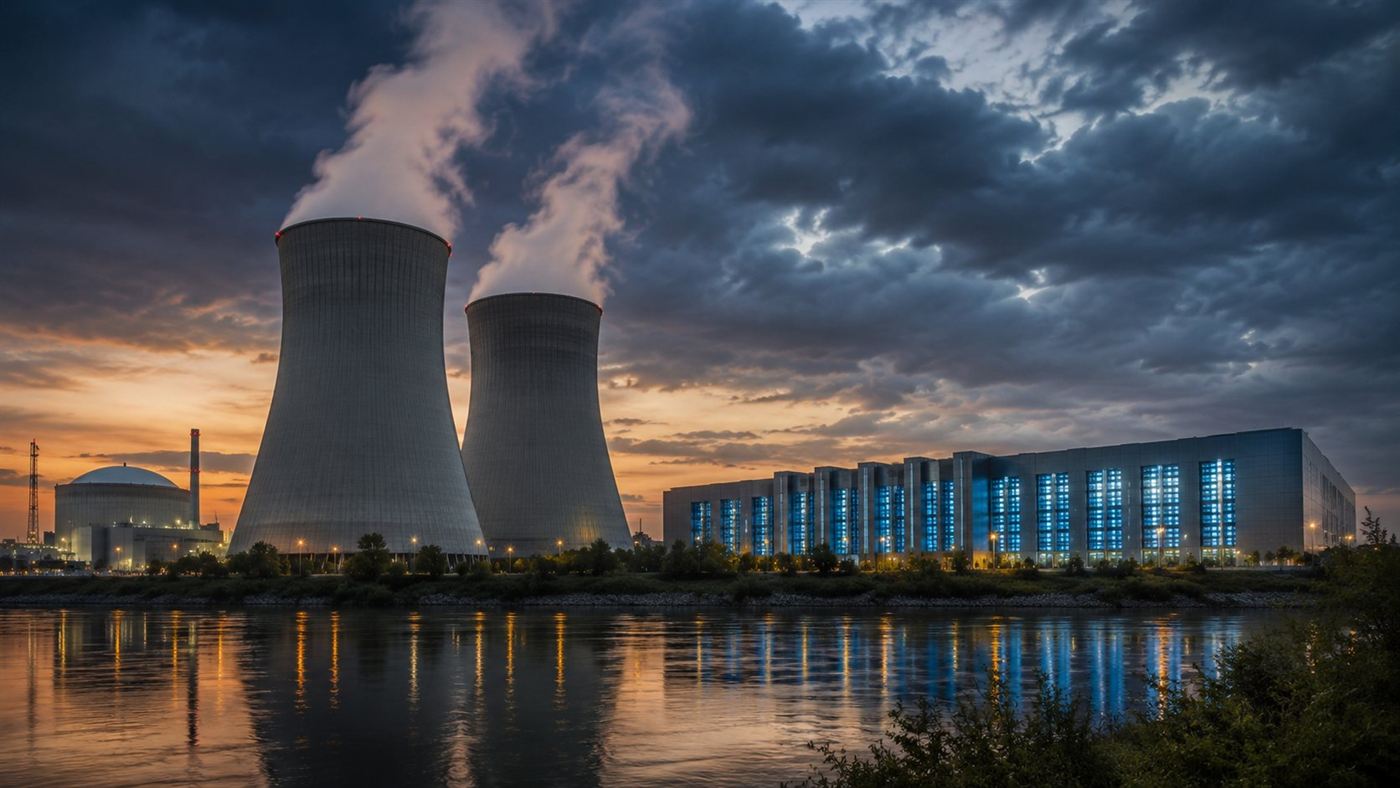
That quietly made Bhutan the fourth-largest government holder of bitcoin in the world, behind only the United States, China and the United Kingdom, the same appetite for cheap power that is pushing data centers to sit next to their own nuclear reactors.
The twist is that while those giants mostly seized their coins from criminals, Bhutan mined almost all of its own.
The real reason is the young leaving
None of this is really about getting rich, it is about keeping a country together.
For all its happiness, the kingdom has a hard problem: there are not enough good jobs, and its educated young people have been leaving in droves.
So in 2023 the government sold around 100 million dollars of its bitcoin and used the money to double the salaries of its civil servants.
The effect was immediate, with resignations from the civil service falling from about 1,900 in early 2023 to roughly 500 a year later.
It is one of the strangest sentences in modern economics: a Himalayan kingdom paid its teachers and clerks more by mining magic internet money with meltwater.
How do you mine bitcoin with a river?
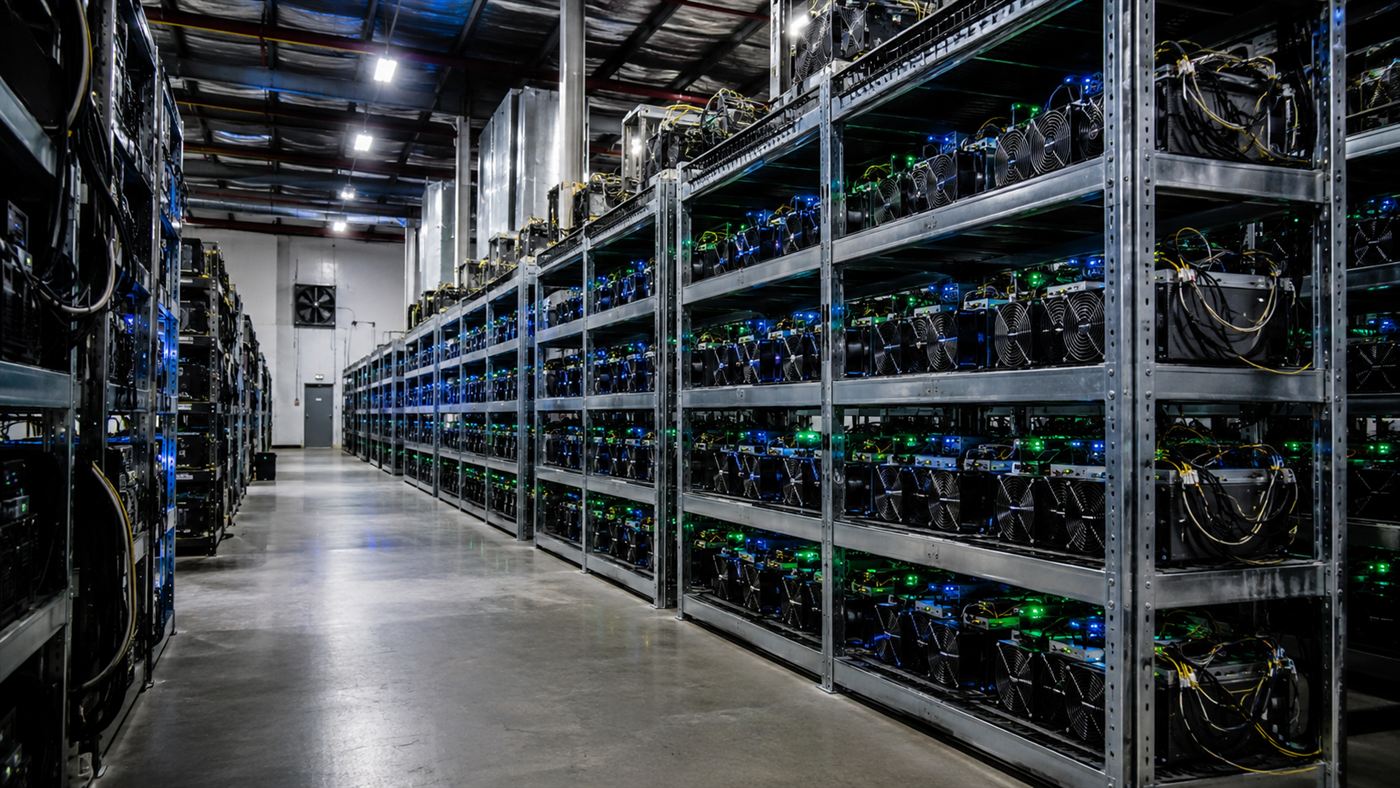
A bitcoin mining operation is really just a building full of specialized computers racing to solve a useless math puzzle, and the prize for winning is new bitcoin.
Those machines do nothing but burn electricity and throw off heat, which is why bitcoin mining has a filthy reputation, since most of it runs on coal and gas.
Its version flips that, because the same work is being done by Himalayan water power that emits virtually nothing.
In a country with more clean electricity than it can use or sell at a good price, turning those spare watts into a hard digital asset is, on its own terms, clever.
It is the cleanest corner of an otherwise dirty industry, an export made of nothing but mountain rain and code.
Bhutan's bitcoin boom has already cooled
This is where the fairy tale runs into the market.
Bitcoin's price swings violently, and a treasury built on it rises and falls with every mood of the crypto market.
Since late 2024 Bhutan has sold down its holdings sharply, cutting its bitcoin reserves by more than 70 percent, and fresh mining appears to have largely stopped.
In December 2025 the government earmarked up to 10,000 bitcoin to help build Gelephu Mindfulness City, an ambitious new economic zone meant to give young Bhutanese a reason to stay.
Whether that bet pays off depends on a coin no government can control, which is a nervous foundation for a national plan.
The gamble that looked like genius in the boom now looks more like a high-stakes wager that is only halfway played.
The honest catch
It is a brilliant, slightly mad story, and it comes with real warnings.
Betting a small nation's future on bitcoin means tying schools and salaries to one of the most volatile assets ever invented.
The mining was also run with very little transparency, so citizens learned the scale of their own country's crypto bet largely from outside analysts.
Bitcoin mining does not, by itself, create the everyday jobs that would actually keep young people home, so it treats a symptom more than the disease.
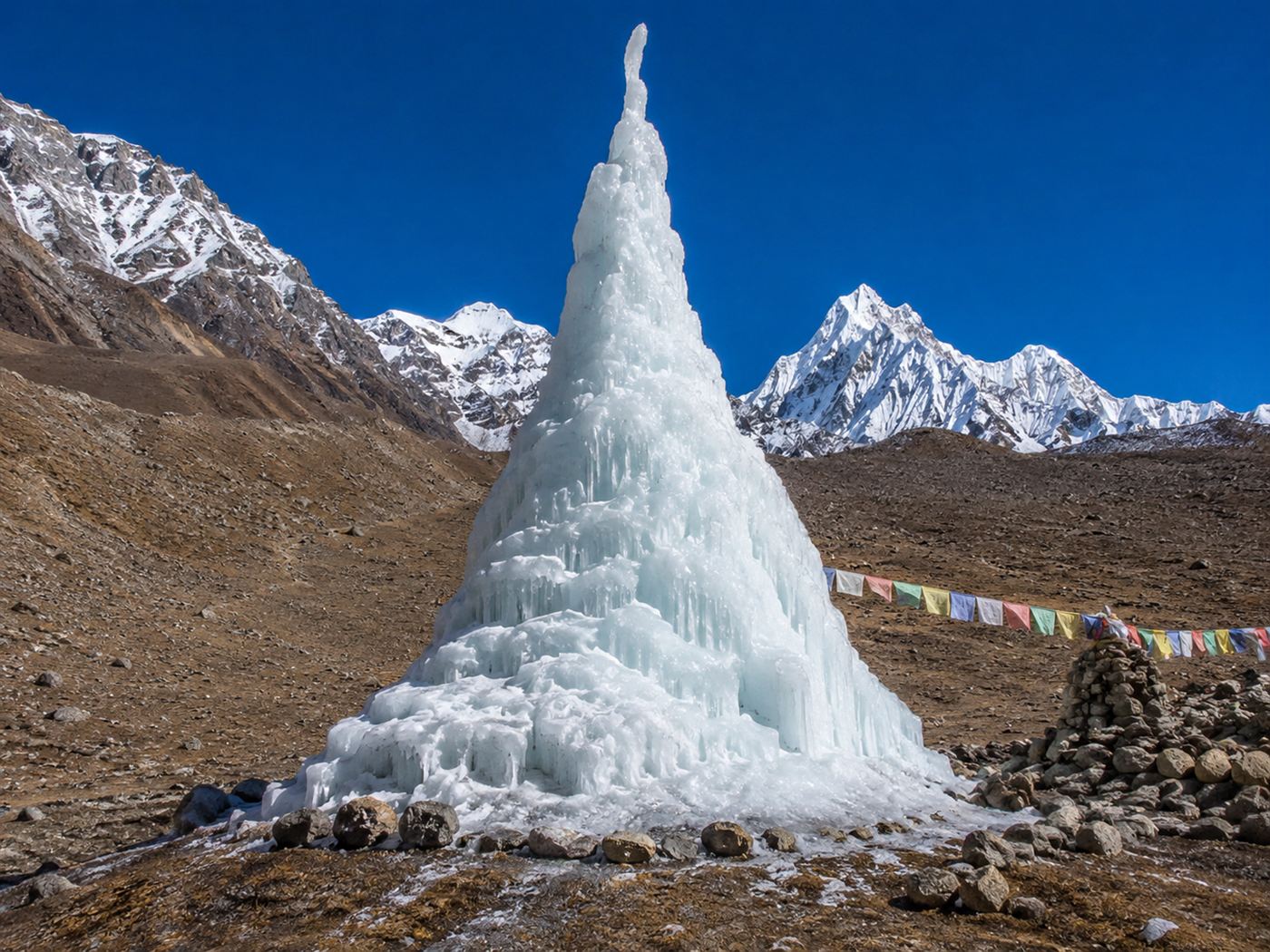
And the whole edifice rests on Himalayan glaciers that are themselves melting, the same shrinking ice that is driving engineers in Ladakh to build artificial glaciers just to keep the water coming.
Bhutan has done something genuinely original, but original is not the same as safe.
Bhutan took the one thing it has in abundance, clean mountain power, and turned it into a digital treasure chest to fight for its own future.
It is the unlikeliest collision imaginable, a kingdom that counts happiness running the coldest, most speculative machine on the internet.
Is mining bitcoin with clean hydropower a smart use of a country's spare energy, or a reckless bet to hang a nation's future on? Tell us in the comments.