America once had its own wild parrot, a gold-and-green bird that flocked in the millions across the eastern states, and within a few decades of the hat trade discovering it, every last one was gone
Most people picture parrots in the jungles of the Amazon, not the woods of Ohio or the Carolinas. Yet for thousands of years the eastern United States had a parrot of its own, a noisy, brilliant green bird that moved in huge flocks. In the span of a single lifetime it went from millions strong to completely gone.
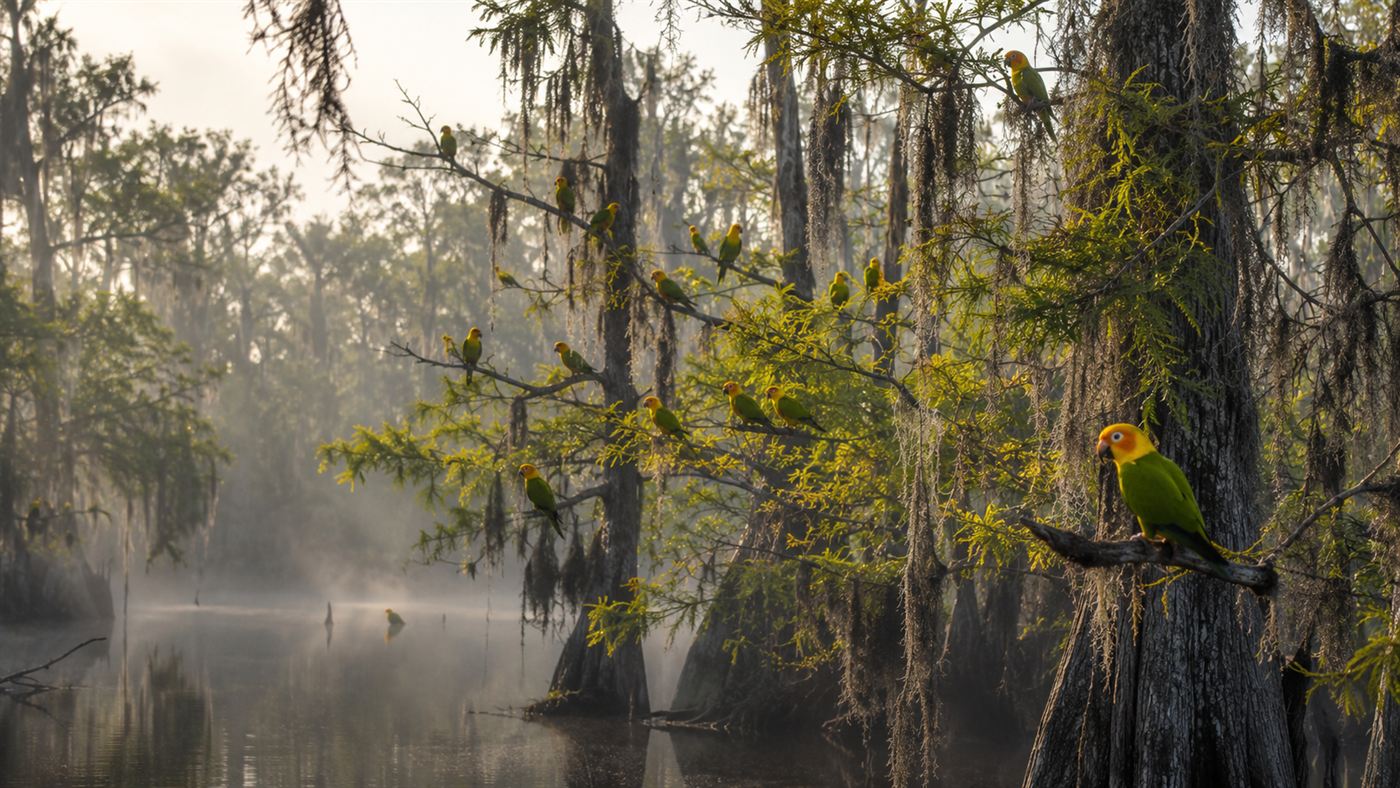
A splash of the tropics that once ranged as far north as the Great Lakes. Illustration: Watts & Wild.
The Carolina parakeet was the only parrot native to the eastern United States, and if you had stood in a river bottom in Ohio or Florida two hundred years ago you would have seen it by the hundred. It had an emerald body, a golden-yellow head and a splash of orange across the face, and it screamed through the trees in tight, wheeling flocks.
Its range ran from New York and the Great Lakes all the way down to the Gulf of Mexico. And then, in the space of a few short decades, it was wiped from every one of those states. The story of how a bird that numbered in the millions became a museum drawer full of skins is one of the saddest and most avoidable in American nature.
The short version: settlers cleared the forests it needed, farmers shot it as a pest, and the fashion industry wanted its feathers. Worst of all, the Carolina parakeet had a fatal instinct to circle back over its fallen flockmates, which turned every hunt into a massacre. By 1918 the last one was dead in a zoo.
A tropical bird in a temperate land
The Carolina parakeet was built for the deep, wet woods along rivers. It nested and roosted in the hollows of ancient trees in the bottomland forest and cypress swamps of the Southeast, sheltering from the cold in tree cavities in flocks that kept each other warm. That dependence on old-growth swamp forest would become its first weakness.
It ate seeds, fruit and, above all, the spiny fruit of the cocklebur, a plant most animals avoid. A steady diet of cockleburs may even have made the birds mildly toxic, and there are old accounts of cats dying after eating them. Whatever the truth of that, a taste for cockleburs was no defence at all against a farmer with a shotgun.
Why did the Carolina parakeet vanish so fast?
Three forces closed in at once. As settlers pushed west and south, they cleared the very bottomland and cypress swamps the bird relied on, cutting the old hollow trees it needed to nest and roost. Habitat alone would have pushed the Carolina parakeet into decline.
But the birds also loved orchards and grain fields, descending in bright, screeching clouds to strip fruit trees. To a farmer this was a plague, and the answer was a gun. On top of that came the demand for feathers, which turned a nuisance bird into a cash crop and sealed its fate.
The loyalty that got them killed
Here is the detail that makes the story so painful. When a hunter fired into a flock and birds fell, the survivors did not scatter and flee for good. They wheeled around and came back, screaming, to circle over their dead and wounded companions. A shooter could simply reload and fire again, and again.
That single instinct meant a whole flock could be destroyed in one spot in an afternoon. What looks like devotion in almost any other setting became, in front of a gun, a death sentence. It is a large part of why the collapse of the Carolina parakeet was so shockingly quick once the shooting started in earnest.
Hats, orchards and the millinery trade
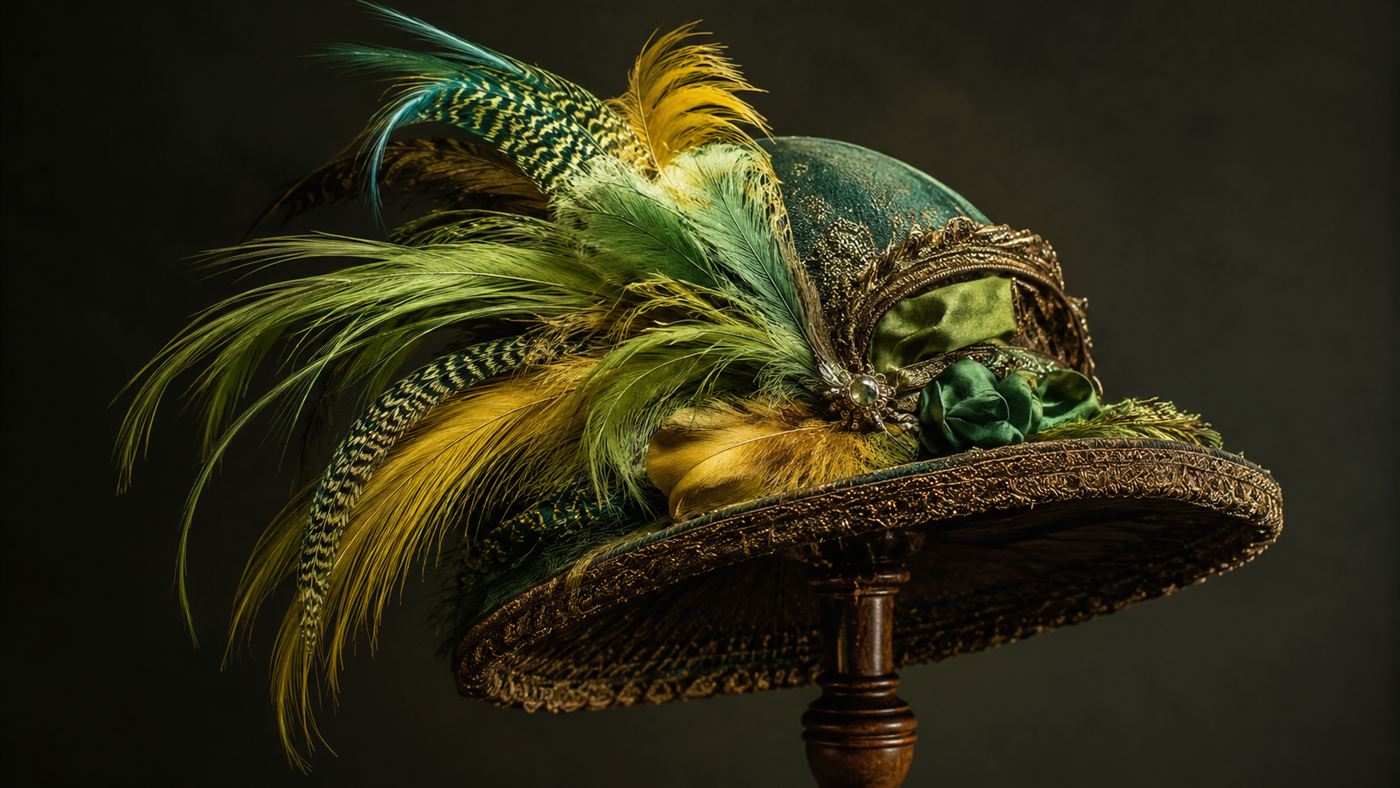
The late nineteenth century was the height of the feather craze, when fashionable hats were piled with plumes and sometimes whole stuffed birds. The millinery trade hoovered up colourful feathers from around the world, and a native parrot in dazzling green and gold was an obvious target for the same millinery trade that was emptying the skies of egrets and terns.
Between the feather hunters, the orchard farmers and the pet trade that trapped live birds by the crate, the pressure never let up. As Smithsonian Magazine has recounted, by the end of the 1800s the once-vast flocks had shrunk to scattered remnants in the swamps of Florida. The last strongholds were the hardest-to-reach cypress swamps, and even those did not hold.
The honest catch
It is tempting to blame the guns and the hats alone, but the full picture is a little more tangled. Scientists still debate why the bird could not hang on in the remote swamps where hunting pressure was light, and some suspect that poultry disease, inbreeding in the last small flocks, or a loss of the old-growth nesting trees delivered the final blow.
In other words, the Carolina parakeet may have been dying from several directions at once, and pinning it on one villain flatters our need for a simple story. What is not in doubt is that people set the collapse in motion. A bird that had thrived across half a continent could not survive a century of a growing, hungry, well-armed nation.
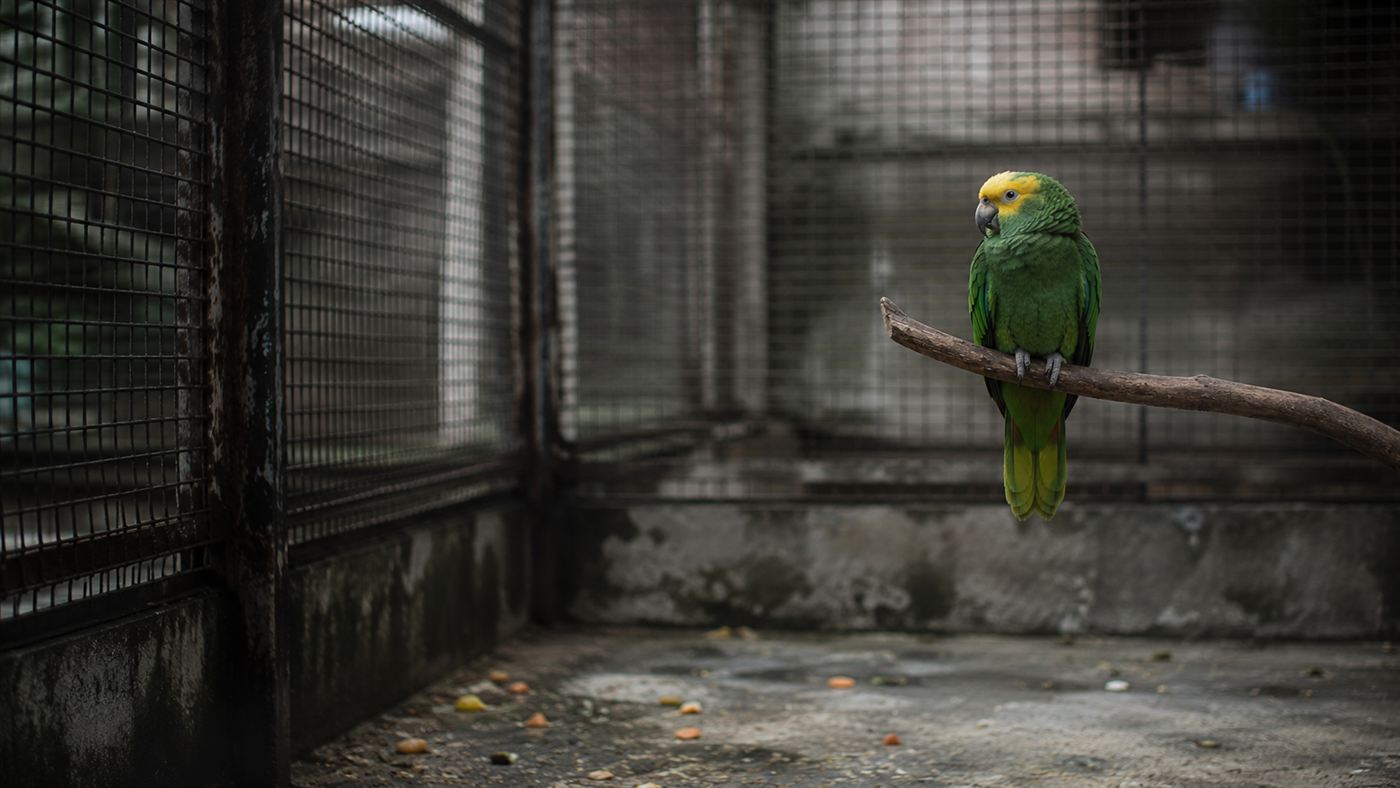
The last bird in the Cincinnati cage
By the early twentieth century only a handful survived in captivity. The final pair lived at the Cincinnati Zoo, a male called Incas and a female called Lady Jane. Lady Jane died in the summer of 1917, and Incas, by every account, seemed to grieve. He lasted only a few more months.
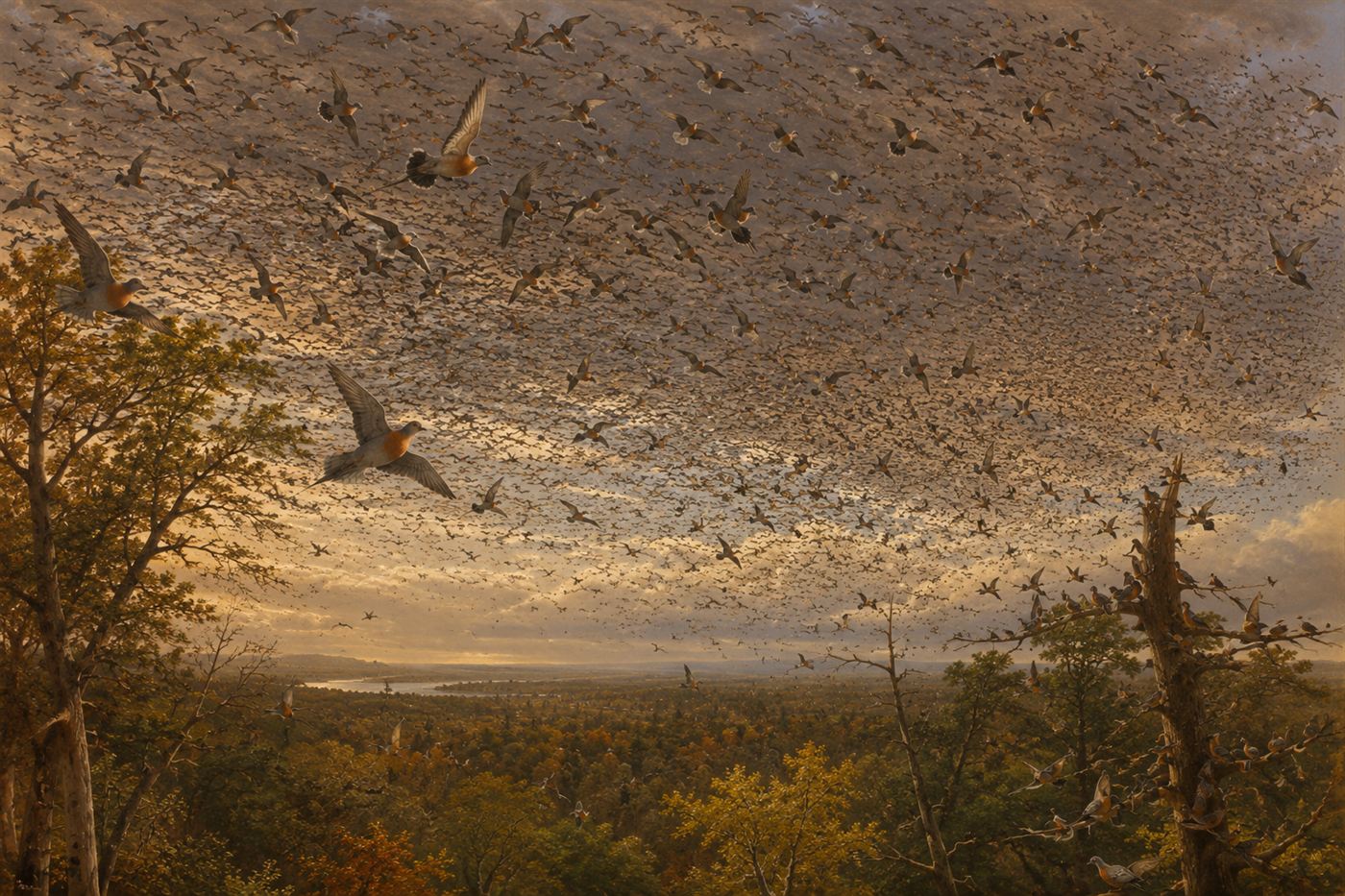
Incas died on February 21, 1918, and here the story delivers its cruelest coincidence. He died in the very same cage at the Cincinnati Zoo where Martha, the last passenger pigeon, had died in 1914. Two American species, both once numbering in the millions, breathed their last in the same small enclosure, four years apart.
A gold-and-green parrot that once poured through the forests of half of America is now just paintings, skins in drawers, and a name. If a bird this bright and this common could disappear in a single lifetime, what are we quietly losing right now without noticing? Tell us what you think in the comments.
Related reading: the passenger pigeon that went from billions to a single caged bird named Martha. See also the blight that erased four billion American chestnut trees, and the flesh-eating fly that America actually managed to defeat.