Some of these Arctic whales were born before the lightbulb and are still alive today
Picture a creature swimming under the Arctic ice right now that was already an adult when the American Civil War was being fought. It is not a fantasy. The bowhead whale is the longest-living mammal on Earth, and the oldest individuals alive today may have been born more than two centuries ago.
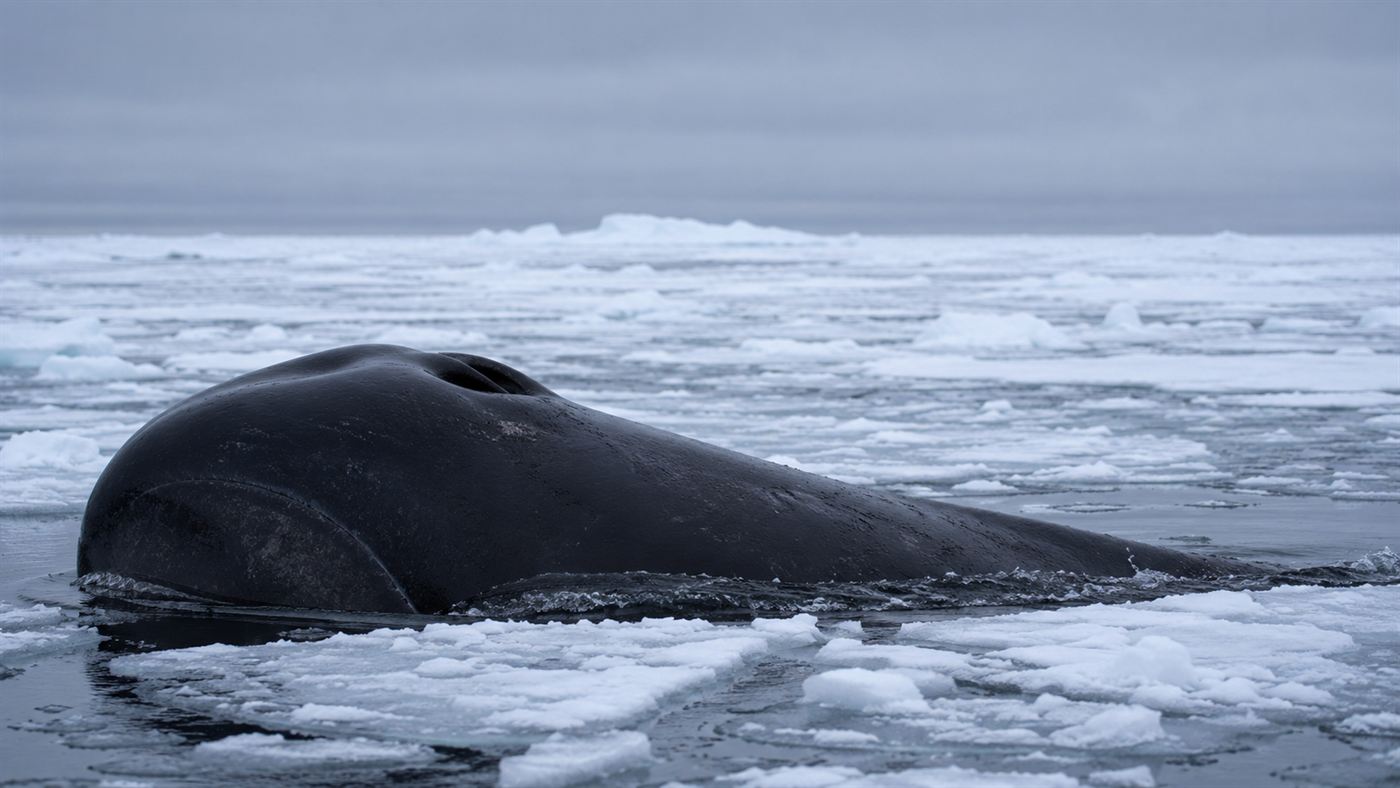
The bowhead carries the thickest blubber and the most arched skull of any whale, built for a life in the ice. Illustration: Watts & Wild.
Most of what lives in the sea burns bright and dies young. The bowhead whale does the opposite, drifting slowly through the cold for so long that a single animal can outlast ten human generations. It is a giant that has quietly turned patience and cold water into a kind of near-immortality.
And it is not just a record-breaking curiosity. The way this whale cheats both time and disease has scientists racing to understand it, because hidden in its enormous body may be clues to how all of us age.
How we know the bowhead whale lives so long
Working out the age of a wild whale is surprisingly hard, since you cannot exactly ask it for a birthday. Scientists found a clever trick in the lens of the eye, which keeps growing in faint layers and slowly changes its chemistry at a steady, measurable rate. By reading those chemical changes, researchers estimated that several hunted bowheads were over a century old, and that one male had lived for roughly 211 years.
That makes the bowhead the undisputed champion of mammal longevity, far beyond our own century or so. No other warm-blooded animal we know of comes close to the ages locked inside these Arctic giants.
The harpoon from another century
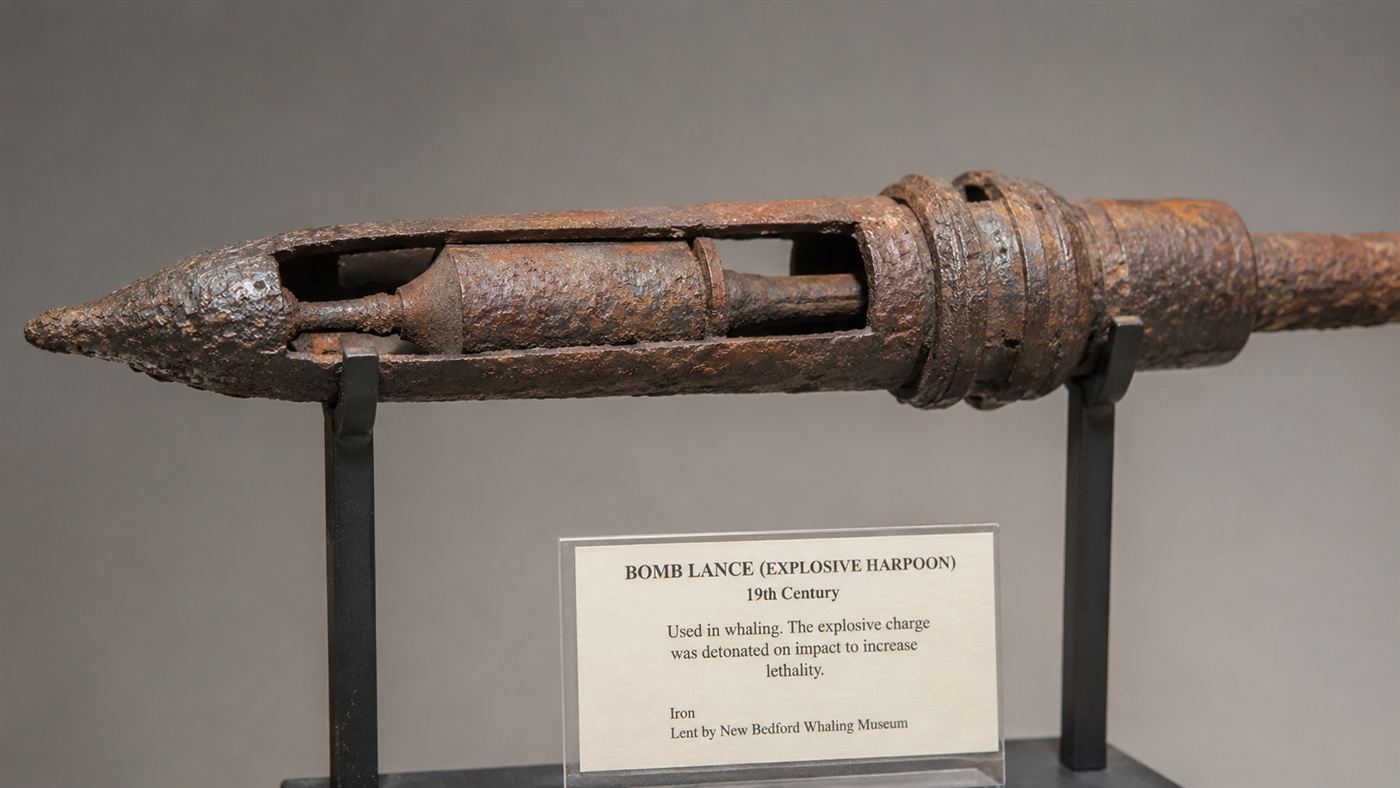
The most haunting proof did not come from a laboratory at all. In 2007, Inupiat hunters off the coast of Alaska took a bowhead and found something buried in its shoulder: the head of an explosive harpoon. The weapon was a model made only between about 1879 and 1885, meaning the whale had been struck, survived, and swum on carrying that iron for some 120 years before it was finally caught.
Think about what that means. A whaler in the 1880s fired at this animal, failed to kill it, and the same creature was still alive well into the twenty-first century, a living relic with a Victorian wound. Few facts in nature collapse the distance between past and present quite so sharply.
A giant built for the ice
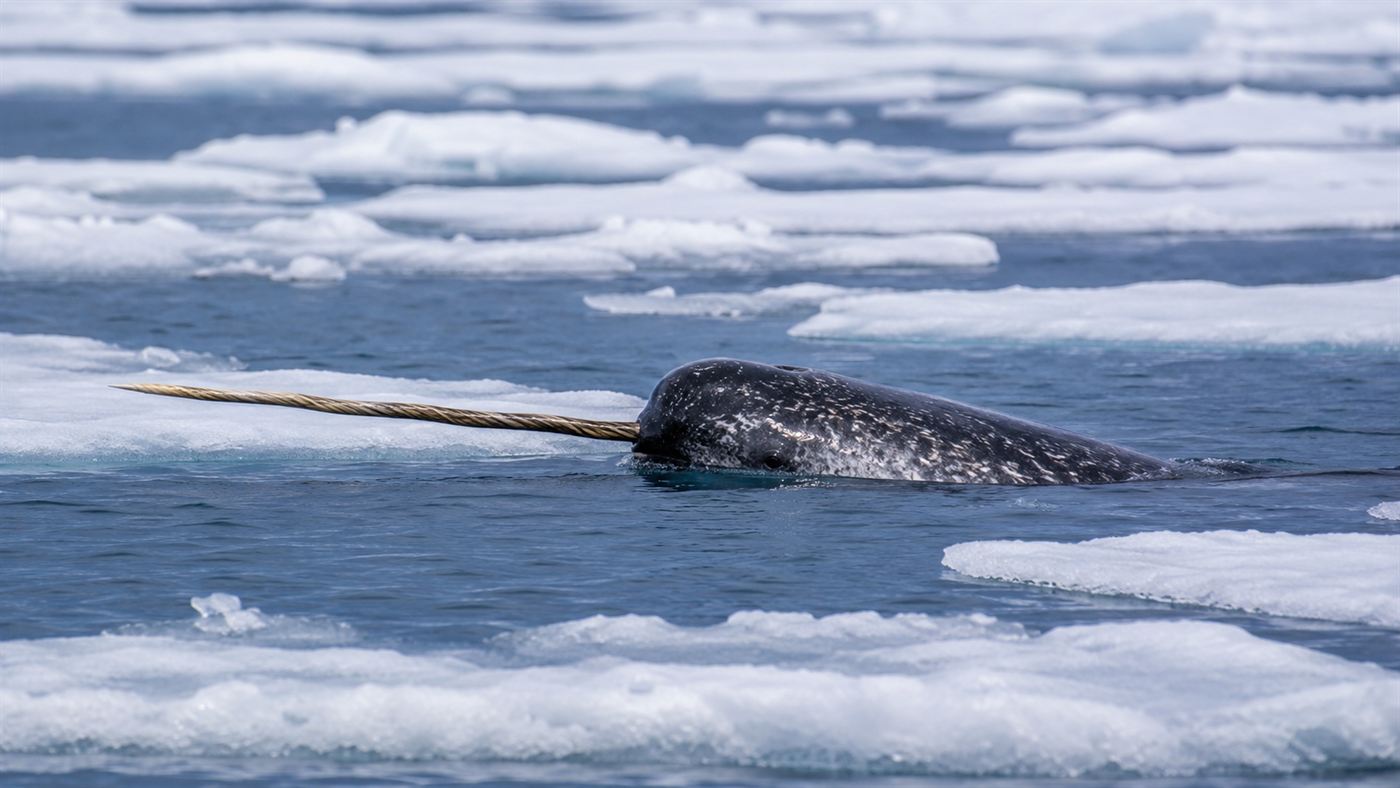
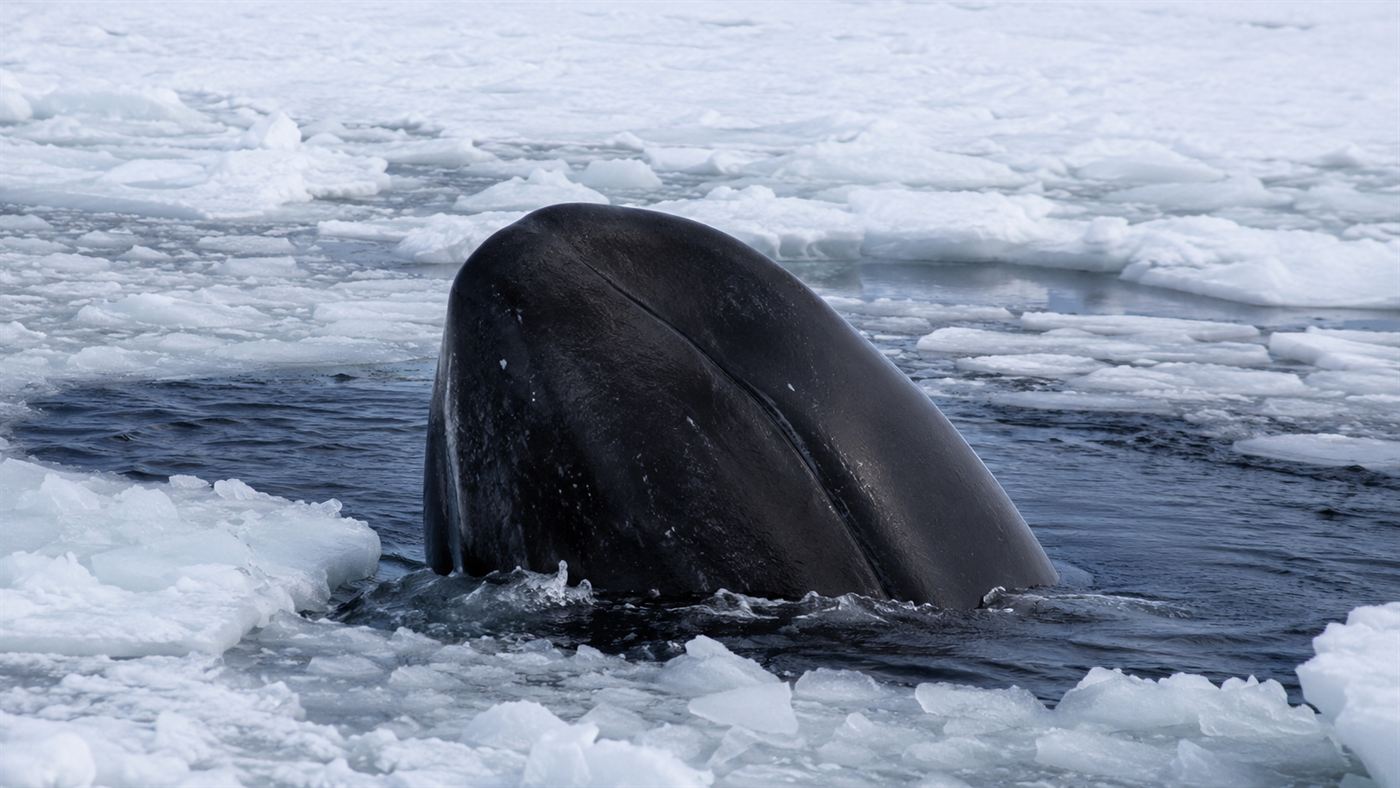
Everything about the bowhead is shaped by the cold. It never leaves the freezing waters of the Arctic and subarctic, and to survive there it carries blubber up to half a metre thick, the heaviest insulation of any animal. Its huge, strongly arched skull, the feature that gives it its name, works like a battering ram that can break up through sea ice to open a breathing hole.
Inside that vast mouth hang the longest baleen plates of any whale, fringed sheets that strain tiny shrimp-like creatures from the water by the tonne. It is a slow, calm, low-effort way of life, gliding through cold water and feeding on clouds of plankton, and that unhurried existence seems to be tied directly to its astonishing lifespan.
The whale that barely gets cancer
Here is the puzzle that excites researchers most. A bowhead is thousands of times bigger than a human, which means thousands of times more cells, each one a tiny chance to turn cancerous. By rights these whales should be riddled with tumours, yet they live for two centuries in remarkably good health. Something in the bowhead's biology is protecting it from the very diseases that limit the rest of us.
When scientists read the bowhead's genome, they found unusual versions of genes linked to repairing damaged DNA and resisting disease. Several teams are now testing those genes in the laboratory, hoping to learn whether the same tricks that keep a whale healthy for 200 years could one day help people stay healthy for longer. The oldest mammal on Earth may turn out to be one of our best teachers about ageing.
How long do bowhead whales live?
The honest answer is that the very oldest ages are careful estimates rather than exact birth records. The eye-lens method has a margin of error, and the antique harpoon proves only that a whale was very old, not precisely how old. What is not in doubt is that bowheads routinely pass 100 years and that the longest-lived individuals reach well beyond 150, making them the oldest mammals we know of.
Hunted almost to extinction in the commercial whaling era, bowheads are now slowly recovering, still hunted in small numbers for subsistence by Arctic peoples for whom the whale is central to life. Each old animal is a swimming archive of a changing ocean, carrying memories, and sometimes harpoons, from a world long gone.
A creature that carries a Victorian harpoon and may hold the secret to a longer human life is still gliding under the Arctic ice right now. If the bowhead's genes really could slow human ageing, would we be wise to chase that gift, or better off letting the old whale keep its secrets? Tell us what you think in the comments.
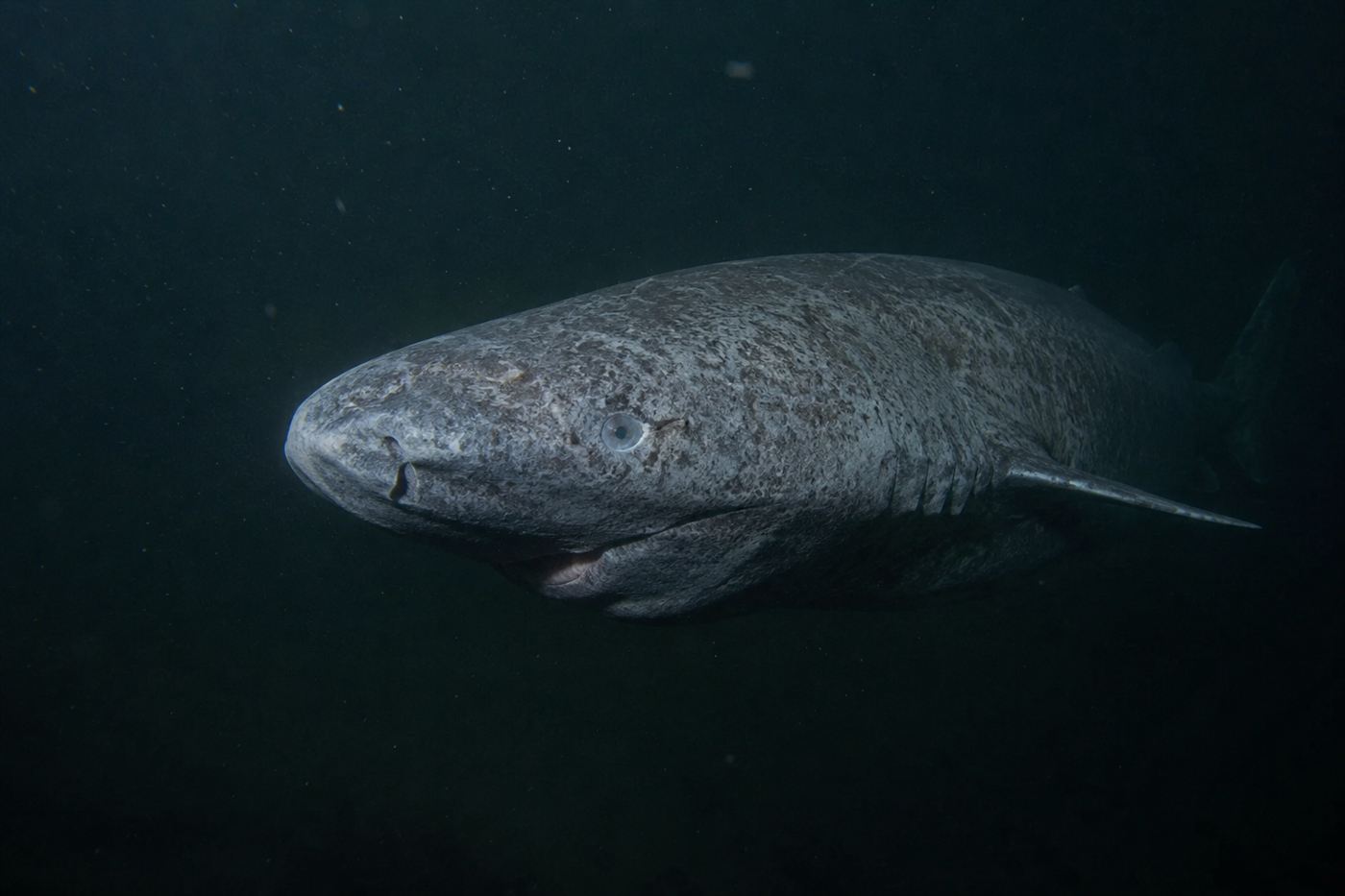
Related reading: the Greenland shark, the slow Arctic fish that can live for four centuries.