Antarctic penguins are rewriting their calendar faster than any animal with a backbone ever recorded
In early 2026, scientists reported a startling measure of how fast the far south is changing: Antarctic penguins are now laying their eggs up to two weeks earlier than they did a decade ago. It is, the researchers say, the fastest change of its kind in any animal with a backbone, a whole calendar shifted in just ten years.
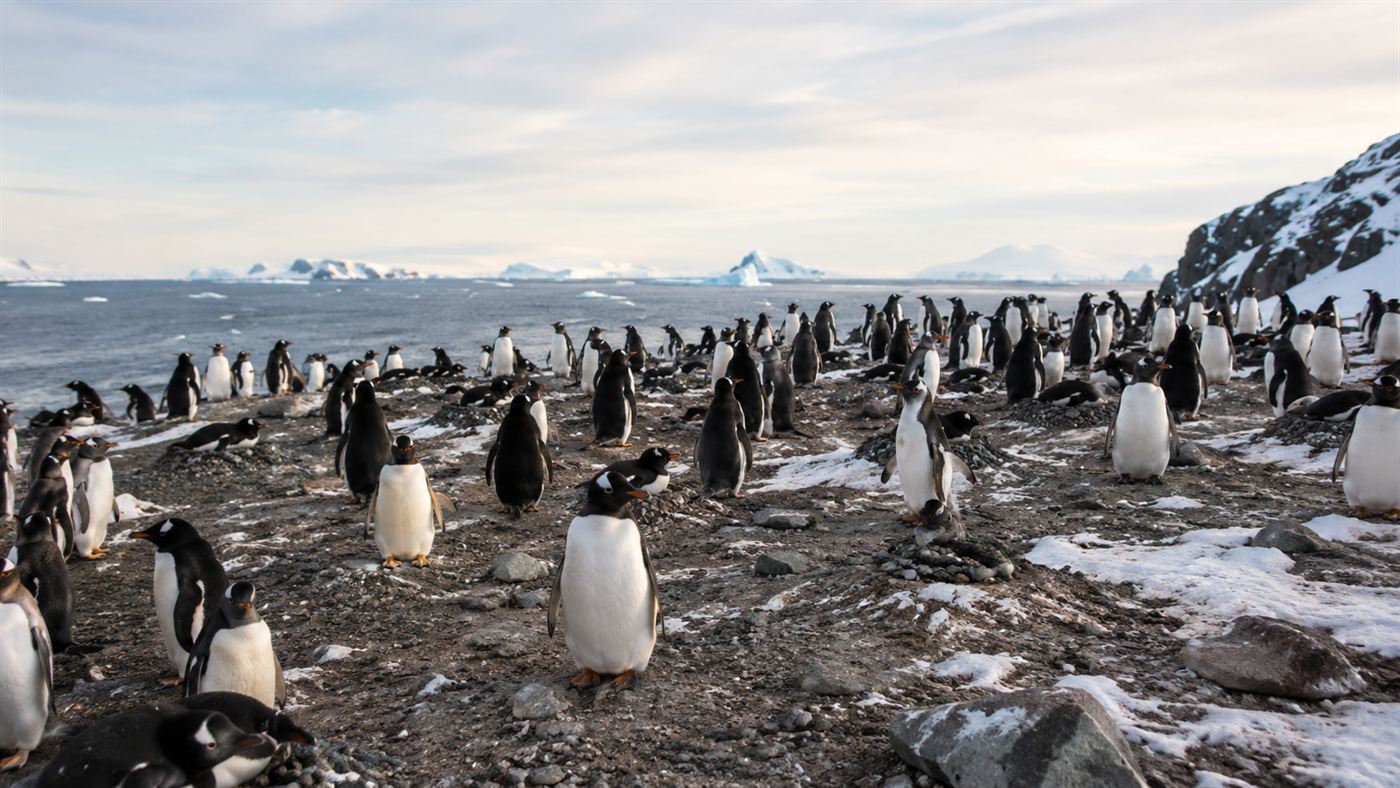
A penguin colony on the Antarctic coast, where the breeding calendar is racing forward. Illustration: Watts & Wild.
The finding comes from a patient, decade-long study that used remote cameras to watch three species, gentoo, Adelie and chinstrap penguins, at dozens of breeding colonies between 2012 and 2022. Over those ten years, gentoo penguins moved their egg-laying about 13 days earlier, while Adelie and chinstrap shifted by around 10 days each. In the slow rhythms of nature, that is a violent lurch.
What is driving it is heat. The penguins' particular stretch of coast is warming far faster than the rest of Antarctica, and the birds are simply following the season as it arrives sooner. To keep pace with a spring that keeps coming early, they have quietly and rapidly reset the clock on the most important event of their year.
The short version is that some of the toughest animals on the planet are proving able to change fast, and the reason they have to is a warning as loud as the adaptation is impressive.
How fast the home of Antarctic penguins is changing
The numbers behind the shift are stark. The study found that the birds' breeding grounds are heating up roughly four times faster than the Antarctic average, and over the decade the temperature there climbed by about 3 degrees Celsius. That makes the coast where the colonies sit one of the fastest-changing habitats anywhere on Earth.
Against that backdrop, a two-week jump in timing starts to make sense. Snow melts sooner, the sea ice retreats earlier, and the brief window when a penguin can raise a chick opens ahead of schedule. The birds are not choosing to gamble; they are chasing a moving target, shifting their lives by two weeks in ten years just to stay matched to the world around them.
Why the timing of an egg matters so much
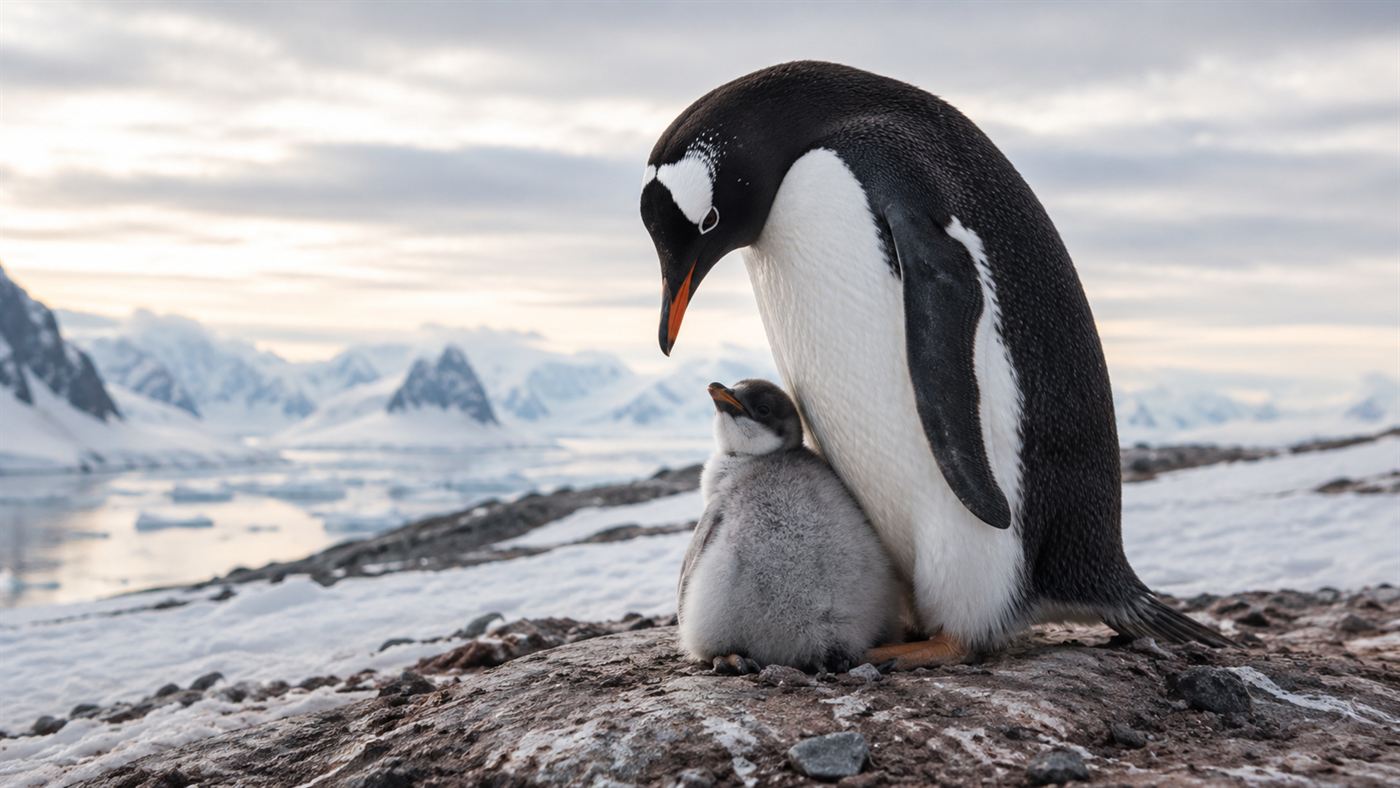
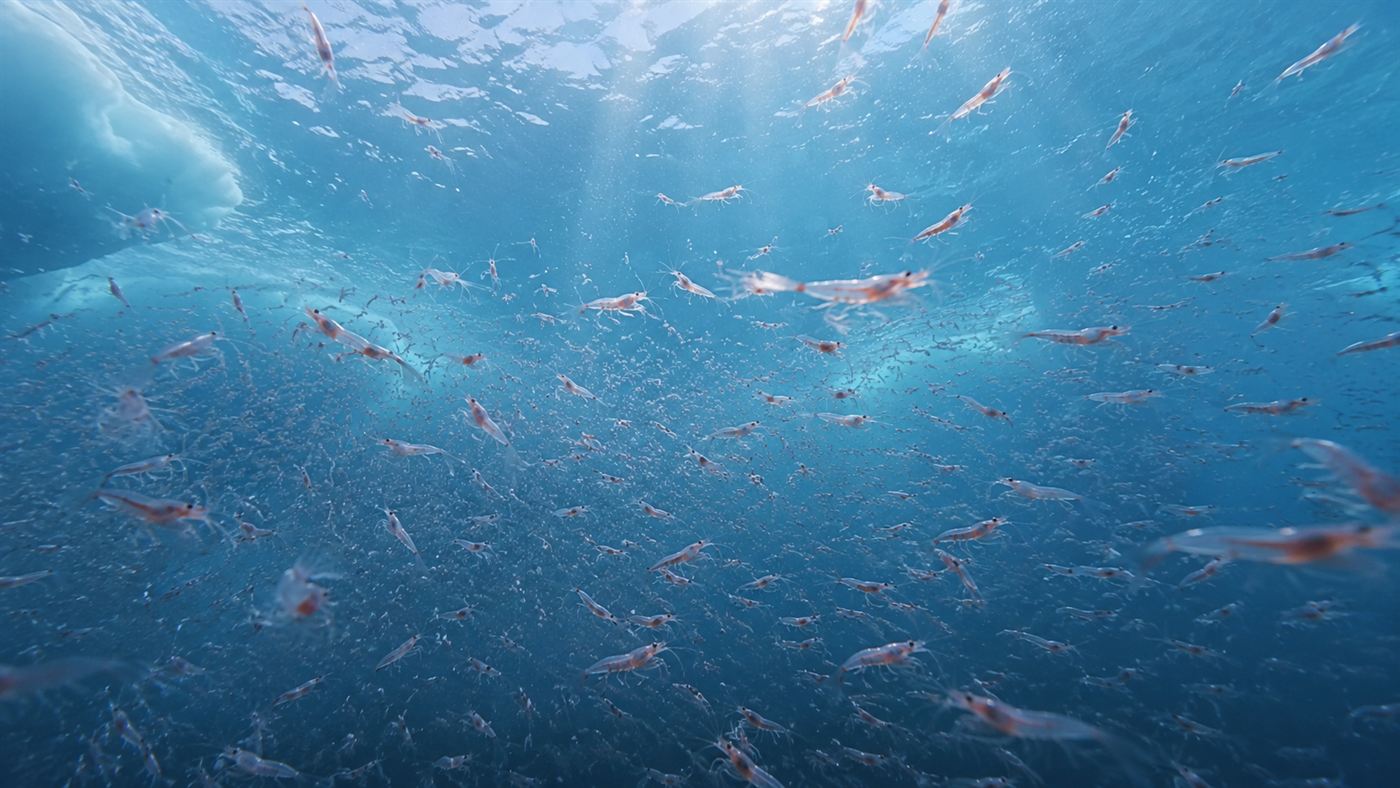
To a penguin, the calendar is everything. Chicks must hatch at the exact moment when the sea is thick with the tiny shrimp-like krill and small fish they depend on, so that parents can ferry back enough food during the frantic weeks of growth. Lay too early or too late, and the young can hatch into a larder that is bare.
That is why an early spring forces the birds to move. If the food blooms sooner because the water is warmer, then the eggs must come sooner too, or a generation of chicks goes hungry. The remarkable thing the study shows is that these penguins can track that change almost in real time, adjusting faster than almost any backboned creature ever measured, a whole species rewriting its schedule in a single decade.
Does adapting mean the penguins are safe?
This is where hope has to be handled with care. It is genuinely reassuring that the penguins can move so quickly, and it suggests they are not simply frozen in old habits while their world melts. Flexibility like this is exactly what an animal needs to survive a fast-changing climate, and it is a real point in their favour.
But adapting quickly is not the same as being fine. There is a limit to how far any animal can bend its biology, and the birds could still be outrun if the heat keeps accelerating. Worse, if different parts of the ecosystem shift at different speeds, the penguins might arrive early only to find their food has not, a dangerous mismatch that the researchers themselves flag as a real worry.
The honest catch
It is tempting to file this under good news, proof that nature is resilient and will simply cope. The penguins are indeed impressive, and their speed of adjustment is a marvel worth celebrating on its own terms. Life is more adaptable than we sometimes fear, and that is a genuine comfort.
But the catch is the reason they are adapting at all. A creature does not overhaul the timing of its entire life for no reason; it does so because its home is being transformed underneath it at a startling pace. An animal forced to change this fast is not a success story so much as a symptom, a living gauge of just how quickly the coldest place on Earth, Antarctica, is warming. The penguins are keeping up, for now. The honest question is not whether they can adapt, but how much more we are going to ask them to.
Sources: University of Oxford on the penguin breeding study, NPR, and Smithsonian Magazine.
Some of the hardiest birds on Earth are quietly moving their whole year forward to keep up with a warming coast. Is a fast-adapting animal a sign of nature's resilience, or a warning of how fast its world is changing? Tell us what you think in the comments.
Related reading: the Antarctic icefish, with clear blood built for a frozen sea. See also Blood Falls, the crimson water leaking from an Antarctic glacier, and the monarch butterfly, whose own great migration is timed to the season.