A fossil sat forgotten in a drawer for 41 years, and turned out to be the first dinosaur bone ever collected in Antarctica
In June 2026, scientists announced that a small, battered bone dug out of the ice-bound rock of Antarctica back in 1985 is not what everyone had assumed. It is an Antarctic dinosaur, the very first ever collected on the frozen continent, and it had been hiding in plain sight in a museum drawer the whole time.
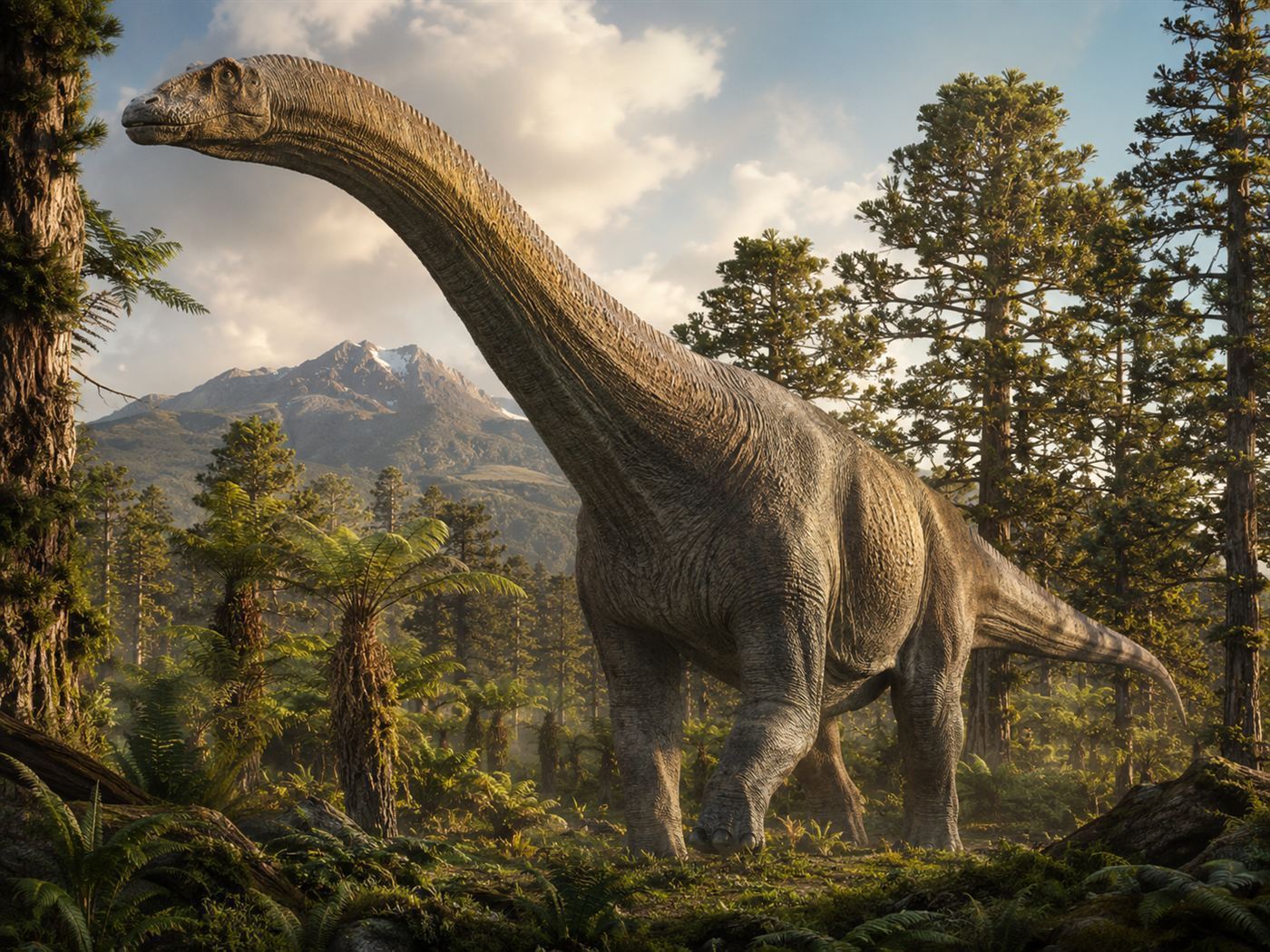
Long before the ice, giant long-necked dinosaurs may have roamed a forested Antarctica. Illustration: Watts & Wild.
The story began on December 9, 1985, when British Antarctic Survey geologist Michael Thomson and German palaeontologist Reinhard Förster pulled a single fossil from the rocks of James Ross Island, near the Antarctic Peninsula. It was one worn piece of bone, and at the time it was catalogued as a fragment of a marine reptile, one of the sea creatures already known from those layers. Then it went into a drawer.
There it stayed for four decades, quietly mislabelled, while the science of palaeontology moved on around it. In a study published on June 29, 2026, a new team took a fresh look at that same specimen, catalogue number BAS D.8621.25, and recognised it for what it really is: a tail vertebra from a titanosaur, one of the giant long-necked plant-eaters that once walked much of the planet.
The short version is that Antarctica's first dinosaur was found forty-one years ago. It just took until now for anyone to realise it.
Why this Antarctic dinosaur matters
The bone is roughly 82 million years old, from the Campanian age of the Late Cretaceous, a time when Antarctica was nothing like the white desert we picture today. The continent then sat in a warmer world, cloaked in forests and rivers, a green land at the bottom of the map where large animals could live. A giant sauropod plodding through those woods is exactly the kind of creature such a place could support.
What makes the find important is not just the animal but the gap it fills. Dinosaur remains from Antarctica are vanishingly rare, because almost the entire continent is buried under ice, leaving only a few wind-scoured edges where fossils can ever be seen. Confirming a titanosaur here helps show that these giants truly reached every major landmass on Earth, including the one that would become the coldest.
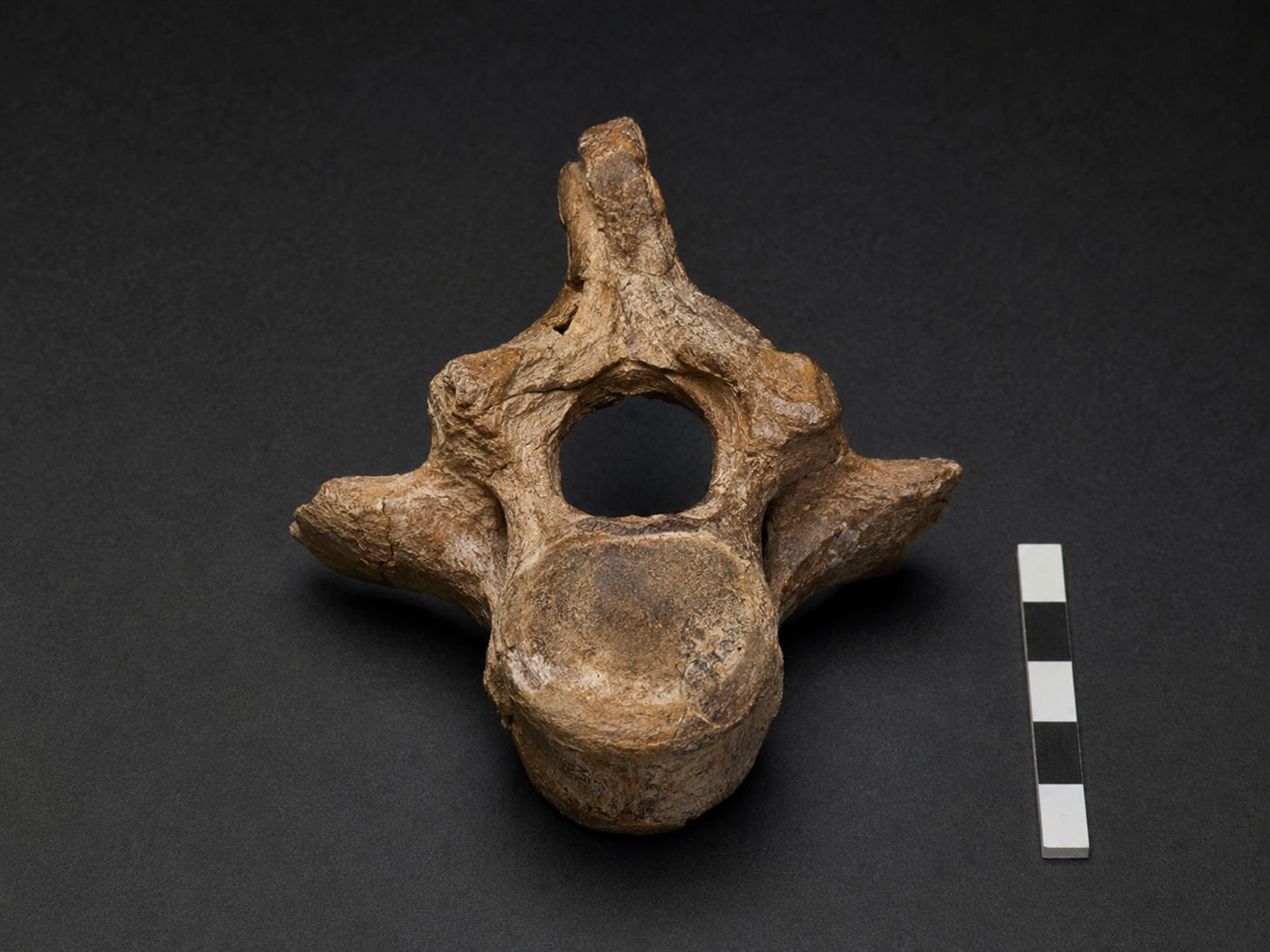
How a dinosaur hid as a sea reptile
It sounds almost careless to mistake a dinosaur for a marine reptile, but it is an easy error to make with a single, weathered bone. The rocks of James Ross Island are full of the remains of sea creatures like plesiosaurs and mosasaurs, so a lone vertebra found among them was reasonably filed alongside its neighbours. Without a skull or a skeleton for context, one bone can be maddeningly ambiguous.
What changed is knowledge. Palaeontologists today understand the fine anatomy of titanosaur tail bones far better than they did in the 1980s, and modern comparison let the new team spot the tell-tale shape the original describers could not have known to look for. The answer had been sitting in a museum all along, waiting for the right eyes and the right decade to read it correctly.
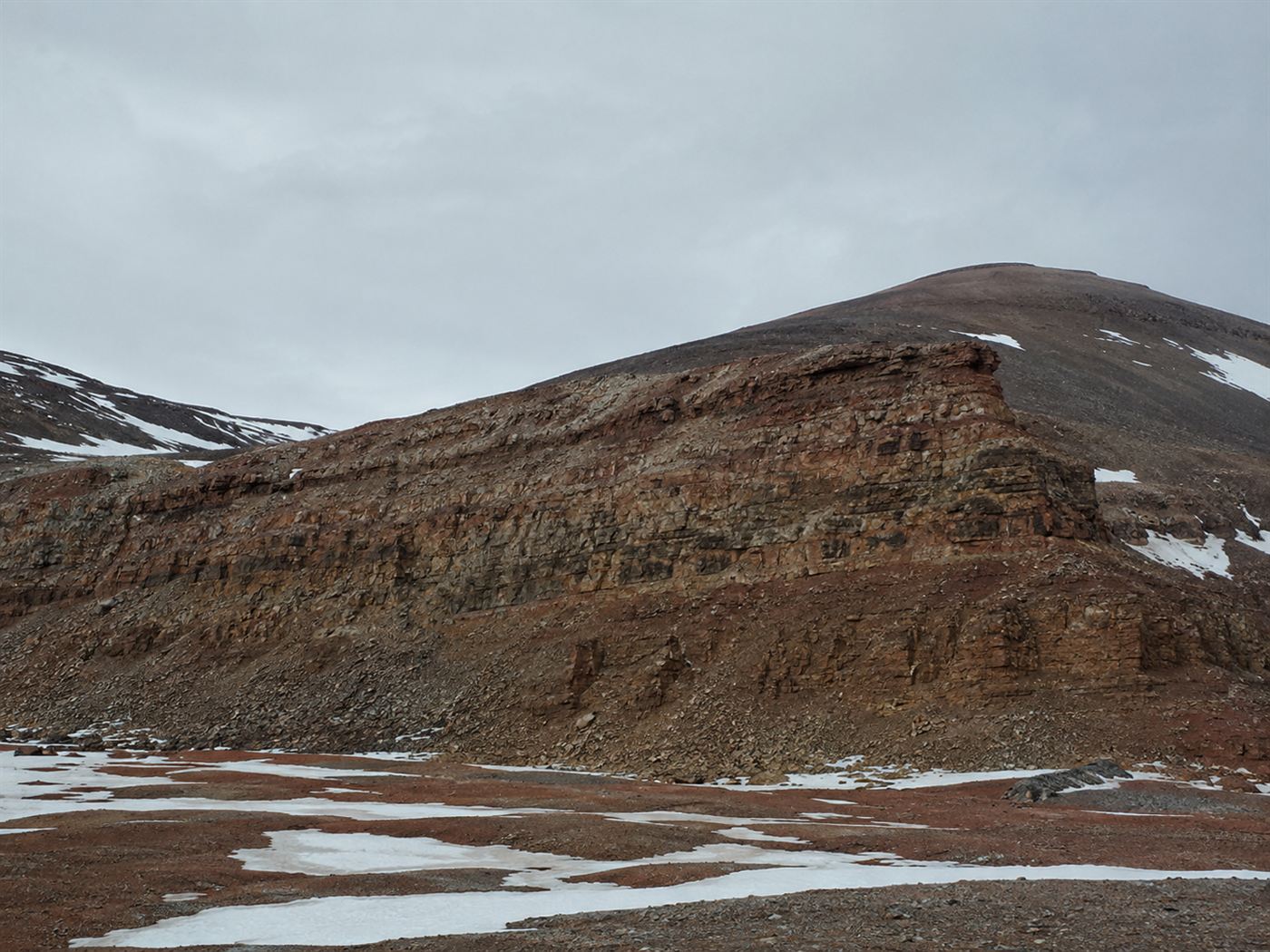
Is one bone really enough to be sure?
It is fair to ask whether a single vertebra can carry so much weight, and the honest answer is that palaeontology often works exactly this way. A great deal of what we know about extinct life is built from fragments, and a well-preserved, diagnostic bone can be genuinely conclusive when its features match one group and no other. The team argues this one does.
Still, it is worth being clear-eyed. One bone tells us a titanosaur was here, but almost nothing about how it lived, how big it grew, or whether its kind were common or rare on the continent. It is a doorway, not a full room. What it proves is presence, and in a place as fossil-poor as Antarctica, presence alone is a real prize.
The honest catch
The tale is being told as a triumph, and in many ways it is. But the quiet lesson underneath is a little humbling for science. This discovery did not come from a daring new expedition or a clever machine. It came from someone re-opening a drawer and looking again at something collected before many of today's researchers were born. The most important find of the year had already been dug up in 1985.
That should make us wonder what else is waiting, misfiled and unread, in the world's museum collections. Countless specimens sit in storage, catalogued in a hurry and never revisited, and some of them are surely as significant as this one. The next great fossil may be found not in the field but in a filing cabinet. This titanosaur is a marvel in its own right, and also a reminder that discovery is as much about looking again as it is about looking further.
Sources: Natural History Museum on the Antarctic titanosaur, Smithsonian Magazine, and Sci.News.
A giant of the ancient world spent forty-one years reduced to a mislabelled bone in a drawer, until someone finally looked again. How many world-changing discoveries do you think are already sitting unrecognised in storage right now? Tell us what you think in the comments.
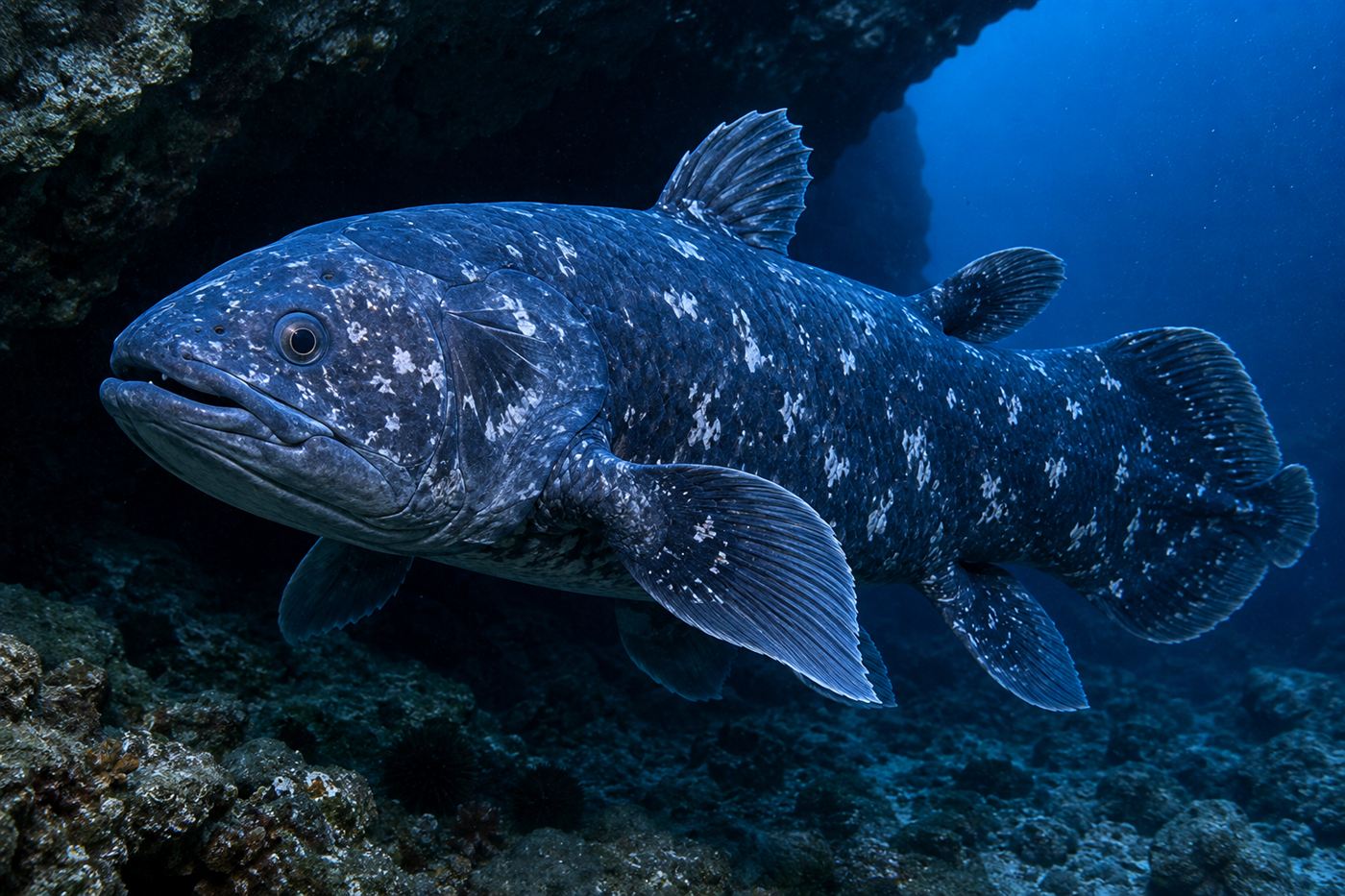
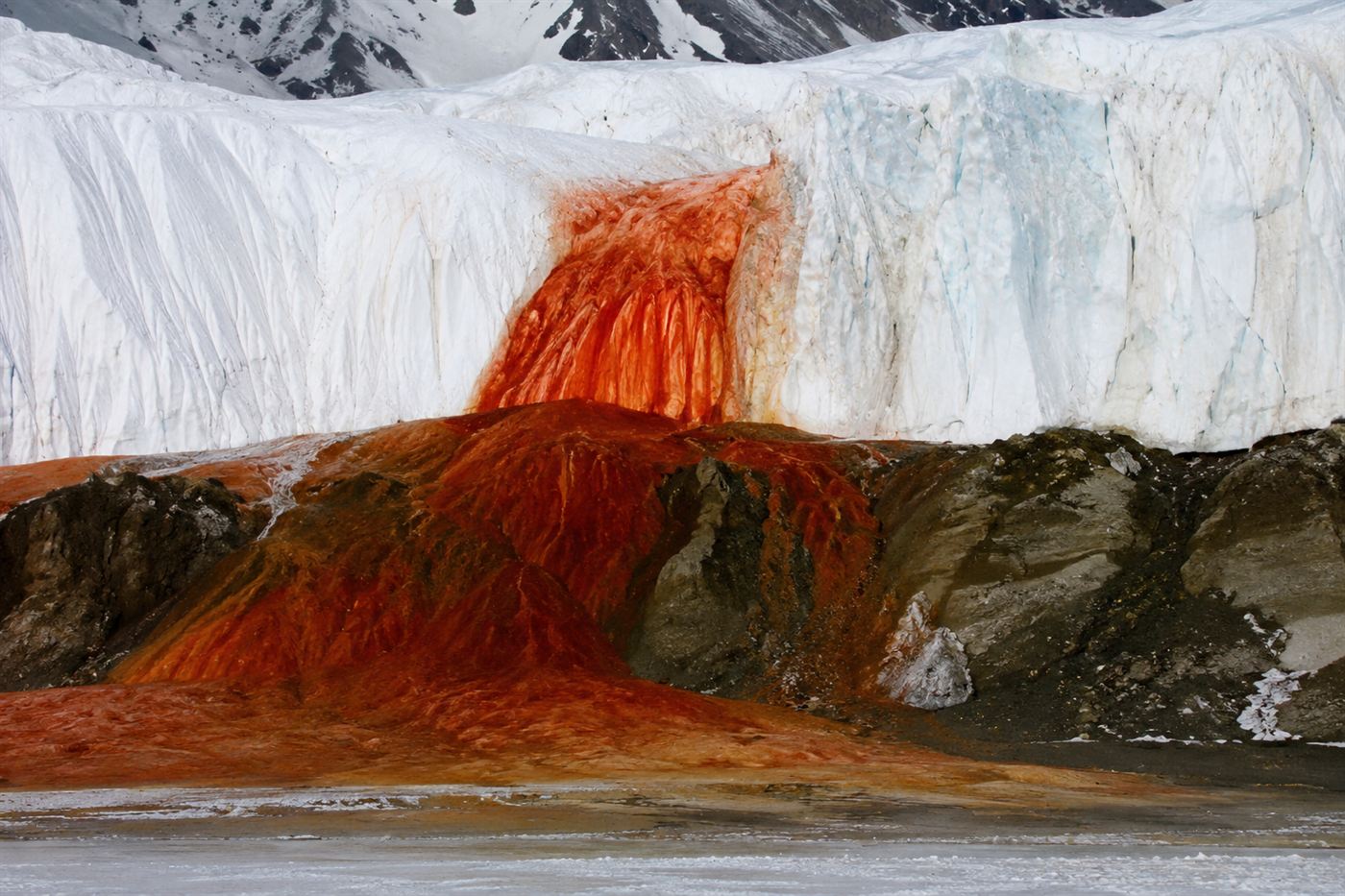
Related reading: Mary Anning, the fossil hunter who read the past out of English cliffs. See also the coelacanth, a fish thought extinct for 65 million years until one turned up in a net, and Blood Falls, the crimson stain leaking from an Antarctic glacier.