A single old well above Los Angeles blew out and spewed an invisible river of gas for nearly four months, becoming the largest methane leak in American history and driving thousands of families from their homes
There was no fireball, no gusher, nothing to photograph with an ordinary camera. To the eye, the hills above Los Angeles looked completely normal. But through an infrared lens, a monstrous plume of gas was pouring into the sky, and it would not stop for almost four months.
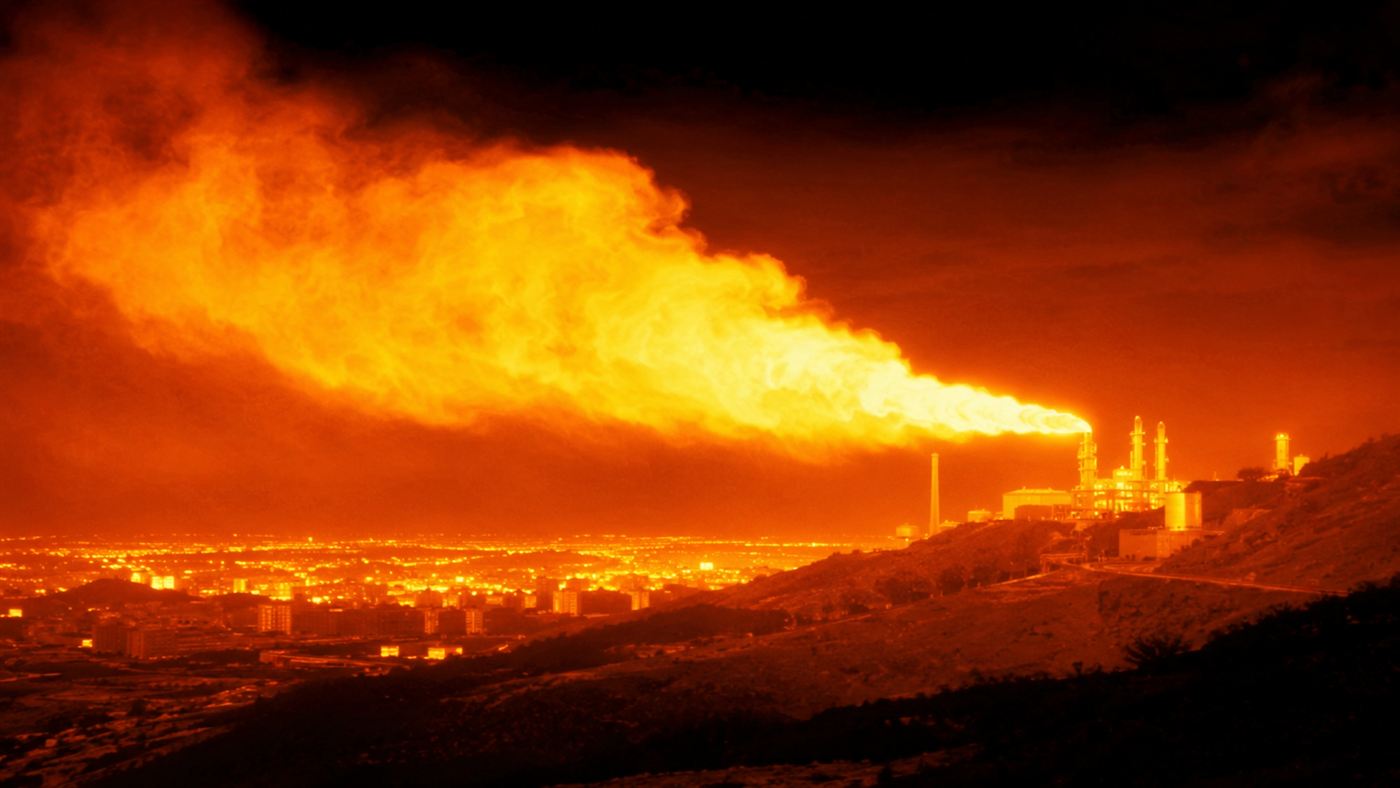
Only an infrared camera could reveal the vast methane plume at Aliso Canyon. Illustration: Watts & Wild.
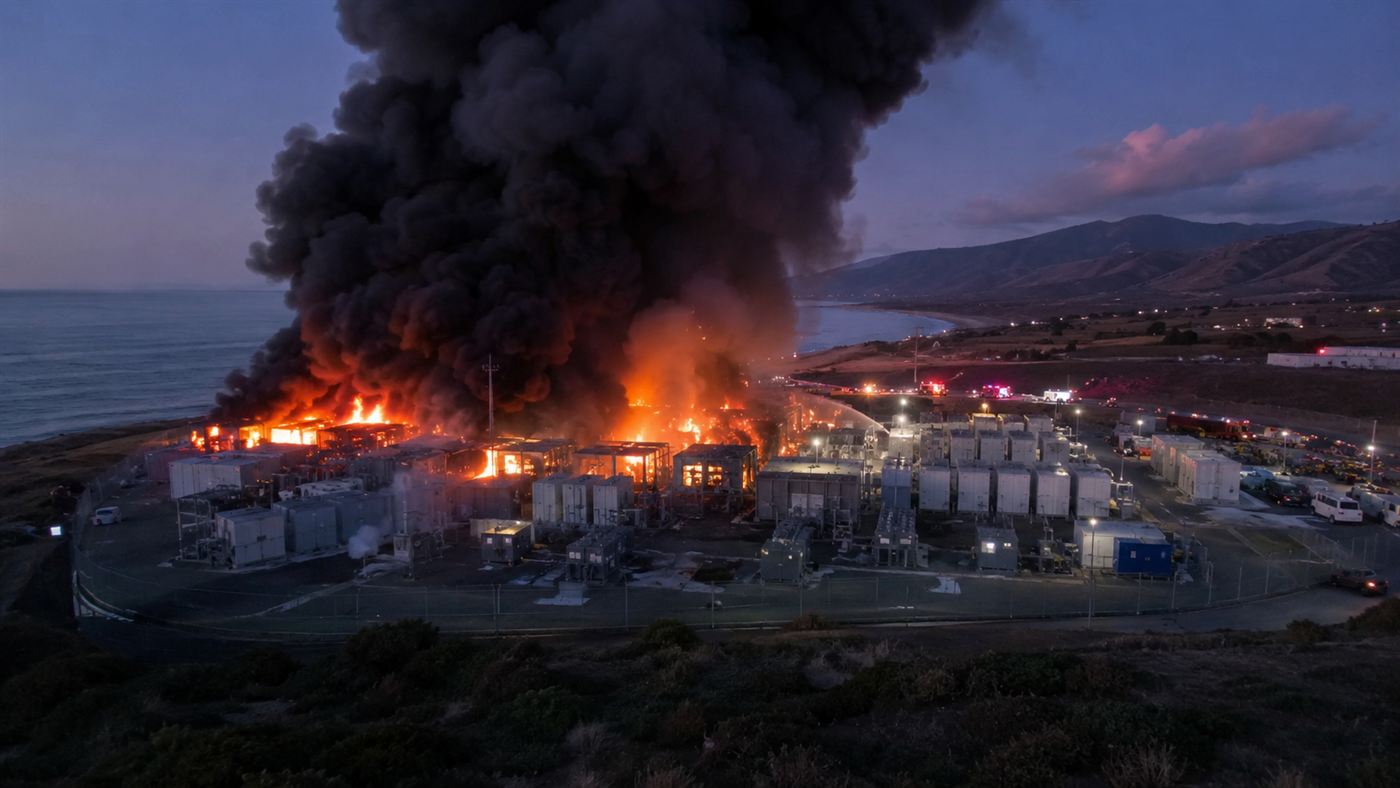
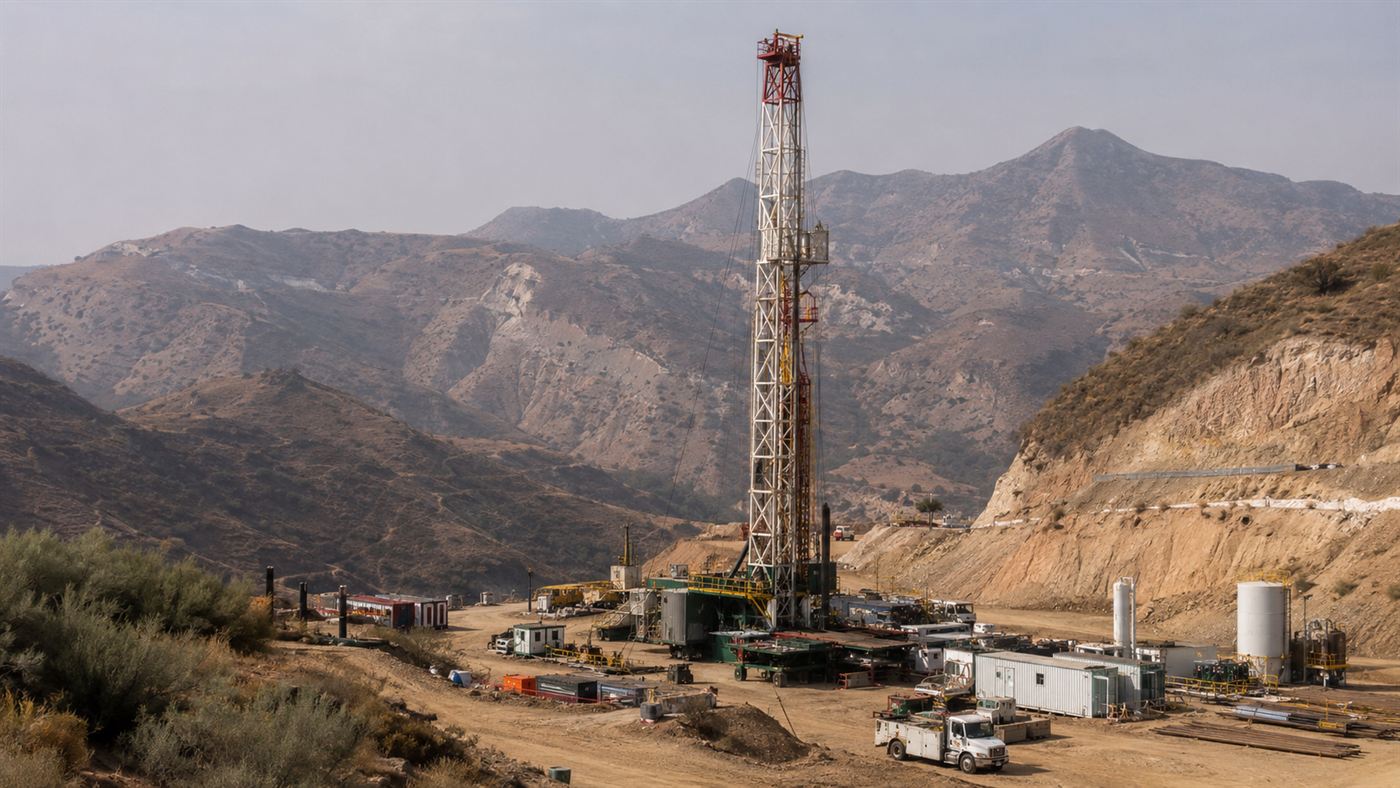
On October 23, 2015, workers at the Aliso Canyon natural gas storage facility, tucked in the Santa Susana Mountains above the Porter Ranch neighborhood of Los Angeles, noticed something wrong with a well called SS-25. Gas was escaping, and it quickly became clear this was no small maintenance issue. The well had blown out underground, and the leak could not be plugged.
For the next 111 days, that single ruptured well poured natural gas into the air over one of America's biggest cities. Because the main ingredient of natural gas is methane, which is both invisible and one of the most powerful greenhouse gases there is, the disaster was almost impossible to see and impossible to ignore at the same time.
The short version: in late 2015 a storage well at Aliso Canyon above Los Angeles blew out and leaked about 109,000 tonnes of methane over nearly four months, the largest methane leak in US history. Thousands of Porter Ranch families were relocated, and the disaster ended up costing SoCalGas well over two billion dollars.
How the Aliso Canyon well blew out
This is not a gas field being drilled; it is a giant underground warehouse. Old depleted oil reservoirs deep beneath the mountains are used to store gas under pressure, banking fuel for the winter and for the region's power plants. It is one of the largest such stores in the country, and SS-25 was one of many aging wells reaching down into it.
When that well failed, gas surged up around the outside of its casing and escaped near the surface, beyond the reach of the usual shut-off valves. Every attempt to kill the leak from the top failed, and each try risked making it worse. In the end the only sure fix was to drill a relief well thousands of feet down to intercept and seal it, a painstaking process that took months.
Why an invisible leak was a disaster
The strangeness of the leak is that the catastrophe was, to human eyes, nothing at all. Methane has no color, and the gas just streamed silently into the sky. It took special infrared cameras to show the truth: a black torrent of gas gushing from a quiet, ordinary-looking hillside.
But invisible did not mean harmless. Methane traps heat far more effectively than carbon dioxide, so in climate terms the leak was enormous. By the time it was capped, the blowout had done roughly the same short-term warming damage as half a million cars running for a year. A single broken well had quietly become one of the worst climate events in the country.
How it emptied a neighborhood
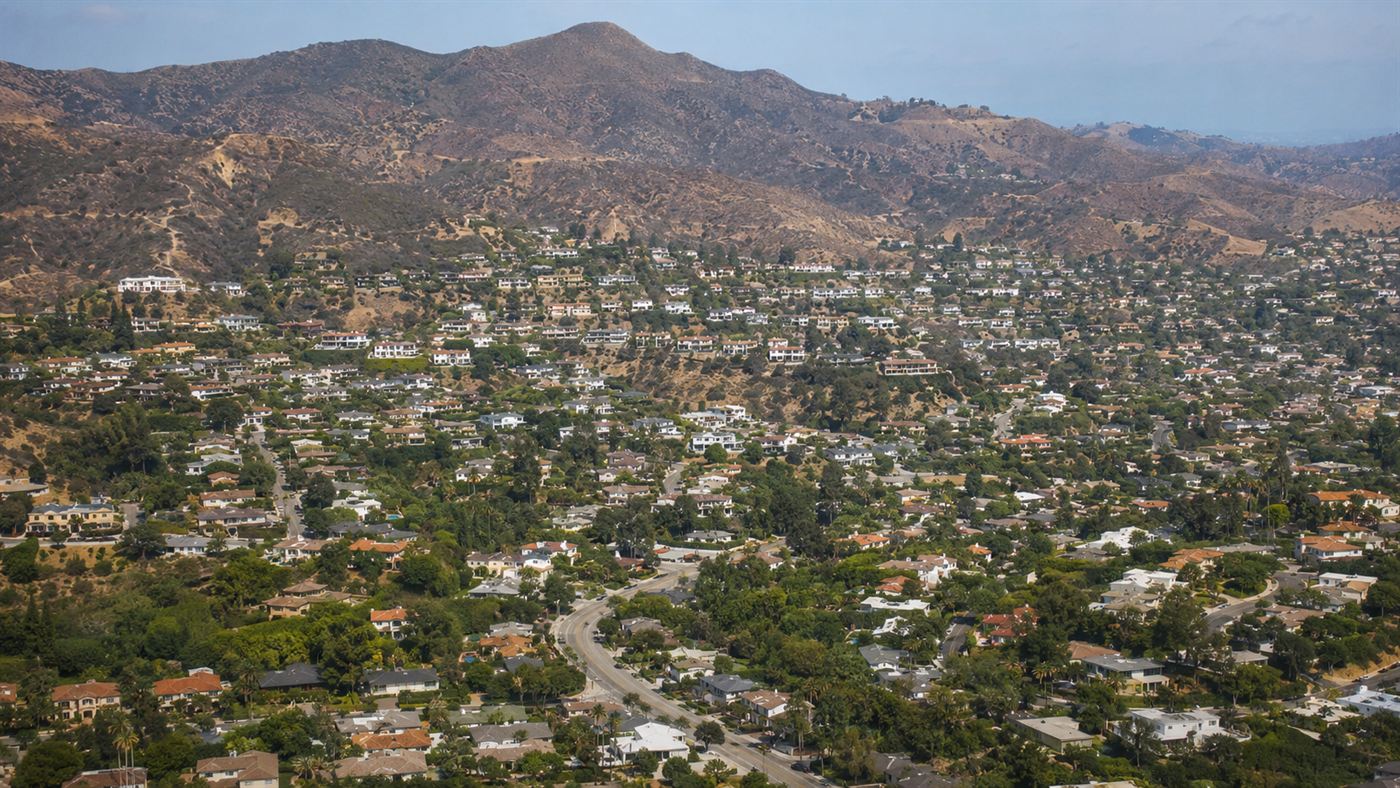
For the families of Porter Ranch, just downhill from the field, the leak was very real indeed. The gas is odorless, so utilities add a smelly sulphur compound to it as a safety warning, and now that rotten-egg stench blanketed the community day and night. Residents reported headaches, nausea, nosebleeds and dizziness that would not go away.
The response became one of the largest relocations of its kind. Over the winter, SoCalGas moved thousands of households, more than eleven thousand people, into hotels and rentals to escape the fumes, and two local schools were relocated as well. An entire suburban neighborhood was effectively evacuated by a gas they could smell but never see.
Who paid, and what changed?
The bill was staggering. Between relocations, penalties, cleanup and legal settlements, the disaster has cost SoCalGas and its parent company well over two billion dollars, one of the most expensive gas accidents in American history. The well was finally sealed in February 2016, and the facility was later allowed to reopen under tighter rules.
That reopening is the part that still rankles many residents. The field is considered important for keeping the lights and heat on across Southern California, so rather than being shut for good, it was repaired and returned to service. As Wikipedia's detailed account of the leak notes, debate over whether the field should exist at all has continued for years, pitting energy reliability against the fear of another blowout.
The honest catch
It is tempting to read Aliso Canyon purely as a tale of corporate villainy, and there was real negligence in how an old well was maintained. But the harder truth is that the gas was there because we wanted it there. Underground storage exists to smooth out the enormous swings in how much gas a city burns between a mild afternoon and a freezing night, and pulling the plug on it is not simple.
That is the uncomfortable knot at the center of the story. The same infrastructure that failed so spectacularly is also what keeps millions of homes warm and the grid steady on the coldest days. Aliso Canyon is a warning about aging wells and hidden risks, but it is also a reminder that the invisible systems we depend on only become visible when they break.
An invisible leak nobody could see or stop became the biggest methane disaster in the country, and the facility behind it is running again to this day. Would you accept a giant gas store in the hills above your town if it kept your heat on through every winter? Tell us in the comments.
Related reading: the Hutchinson gas explosions, where stored natural gas traveled seven miles underground before erupting. See also the Deepwater Horizon blowout that fouled the Gulf of Mexico.