Sail vanished from the seas a century ago, but giant computer-controlled steel wings are rising over cargo decks again, and these wind-powered cargo ships are cutting fuel by up to a third
On a bulk carrier called the Pyxis Ocean, two steel wings as tall as an apartment block fold and turn to catch the wind. They are the clearest sign that sail, written off a century ago, is coming back to global shipping. The first voyages show wind-powered cargo ships can cut fuel sharply.
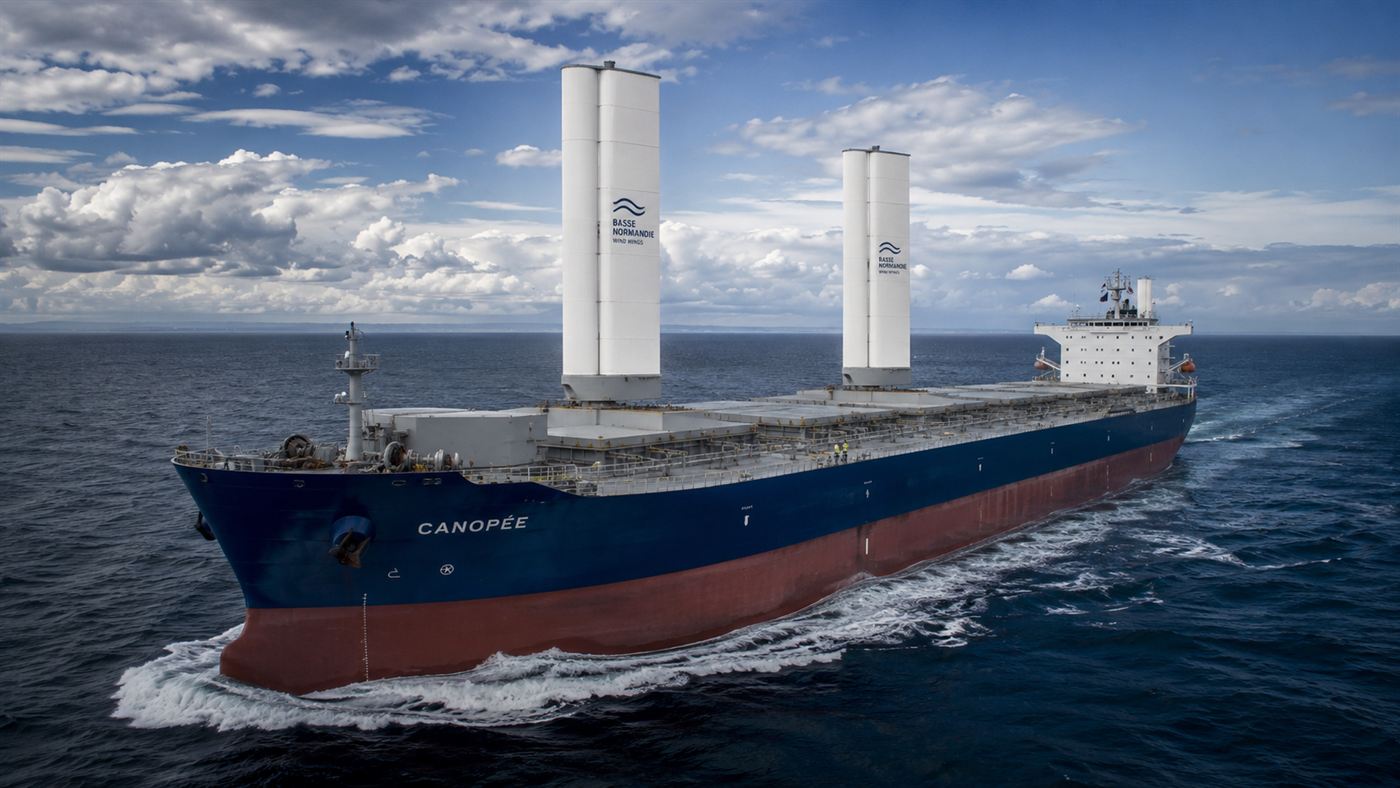
The Pyxis Ocean carries two rigid WindWings that fold down in port and turn to the wind at sea. Illustration: Watts & Wild.
Wind-powered cargo ships are no longer a sailor's daydream. In 2023 a bulk carrier called the Pyxis Ocean, chartered by the food and shipping giant Cargill, crossed the oceans with two towering rigid sails on its deck, and as Popular Science reported, the wings saved an average of 3.3 tonnes of fuel a day, and up to 12 tonnes on its best days.
The idea is as old as seafaring and suddenly new again. For thousands of years the wind moved nearly everything humans shipped, until coal and then diesel killed sail off in the early twentieth century. Now, with shipping emissions making up nearly 3 percent of the global total and more than 80 percent of world trade still crossing the ocean, the wind is being called back to work.
How do wind-powered cargo ships work? Tall rigid wings, a high-tech version of a sail, stand on the deck and turn under computer control to catch the wind. They do not replace the engine, but on a good route they cut how much fuel it has to burn, which trims both costs and shipping emissions.
How do wind-powered cargo ships actually work?
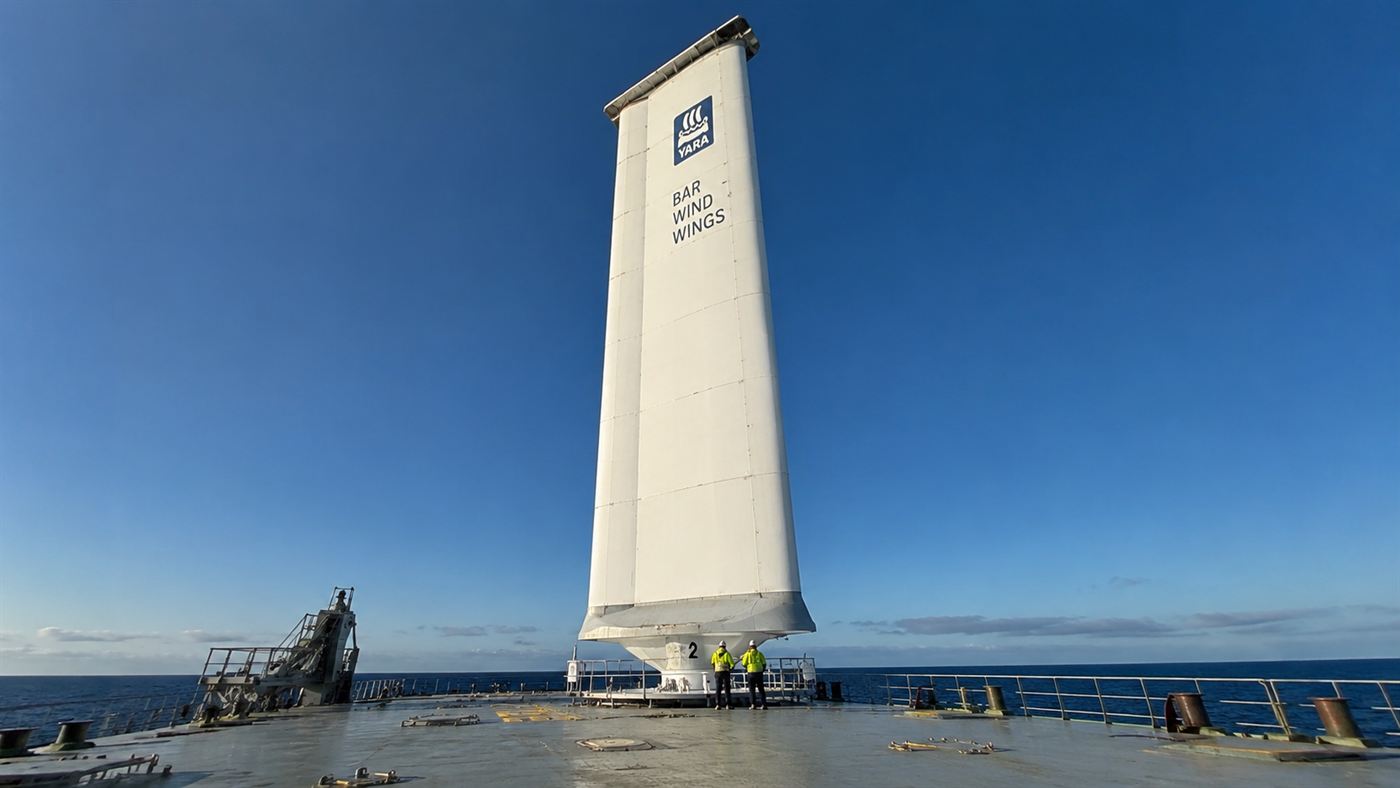
The wings on the Pyxis Ocean are called WindWings, built by the British firm BAR Technologies.
Each one stands 37.5 metres tall, about as high as a twelve-storey building, and is made of steel and glass fiber.
They fold flat on deck in port or heavy weather and swivel automatically to the best angle once the ship is at sea.
The ship itself is owned by Mitsubishi and chartered by Cargill, and the wings are bolted on rather than replacing anything.
That is the key idea behind wind-assisted propulsion: the diesel engine stays, and the wind simply does part of its job whenever it blows.
The same logic is being tried with spinning cylinders, towing kites and telescoping masts, but the rigid WindWings are the version turning the most heads.
The numbers from the first voyages
On its maiden run under two WindWings, the Pyxis Ocean averaged about 3.3 tonnes of fuel saved a day, and on its best days roughly 12.
Cargill's own figures put the average cut in greenhouse gas emissions at around 14 percent, rising to as much as 37 percent on the windiest legs.
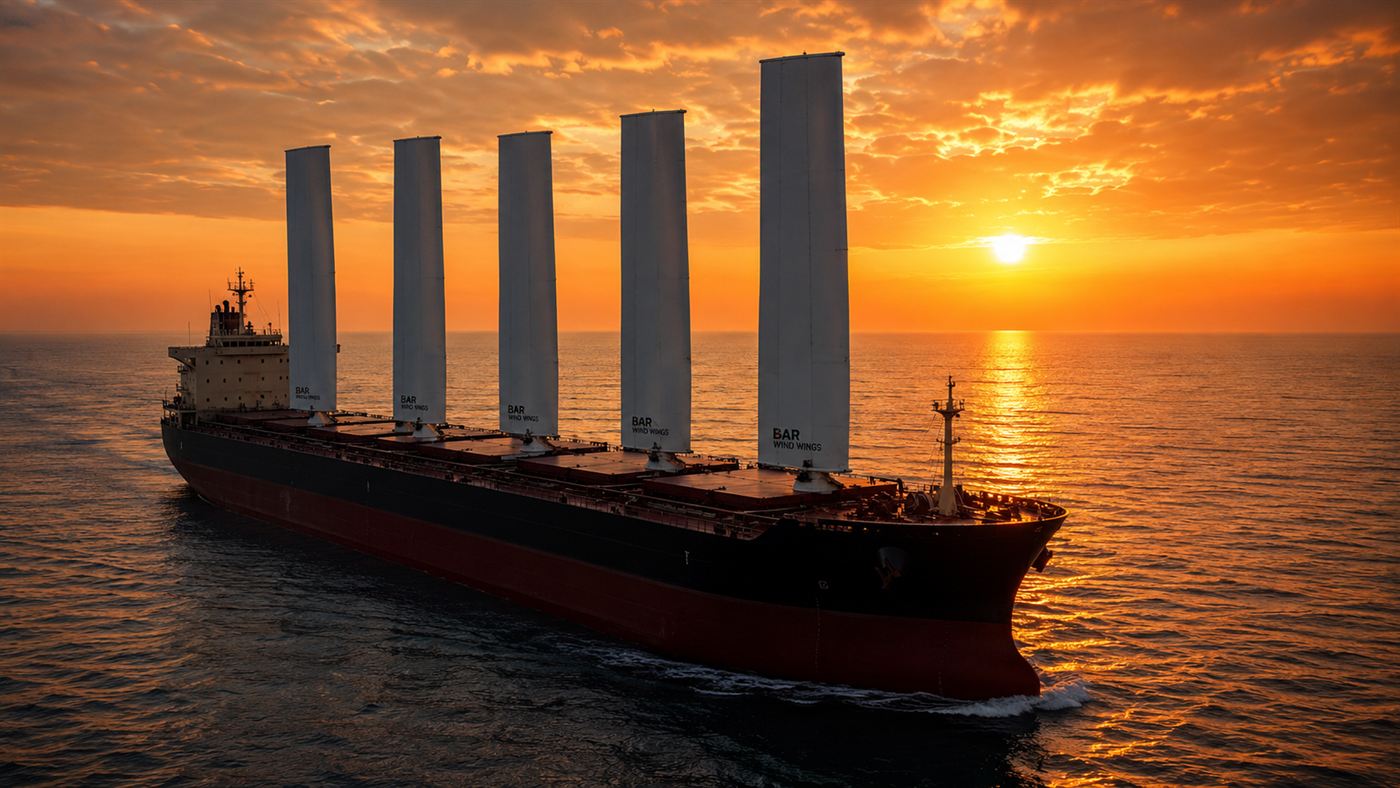
BAR Technologies says a purpose-built bulk carrier fitted with three wings instead of two could burn about 30 percent less fuel over a typical route.
By 2026, longer-term data from the Pyxis Ocean pushed the best-case saving up toward 40 percent.
For a single ship that can mean thousands of tonnes of fuel, and the shipping emissions that go with it, left unburned every year.
From the America's Cup to a cargo deck
The strange thing about these wings is where they came from.
BAR Technologies grew out of Ben Ainslie Racing, the British team that chased the America's Cup, the pinnacle of high-tech sailing.
The same understanding of wings and airflow that makes a race boat fly across the water is now being used to nudge an 80,000-tonne bulk carrier along.
It is the kind of leap, from sport to the largest moving machines humans build, that the people behind the biggest ship ever constructed would recognize.
Why the wind is coming back now
Shipping emissions are a problem the industry can no longer ignore.
If the world's merchant fleet were a country, its shipping emissions would rank among the top ten on Earth, and the International Maritime Organization has set a course for net-zero shipping by around 2050.
Fuel is also the single biggest running cost for most ships, so anything that cuts it is money saved as well as carbon avoided.
Wind-assisted propulsion, unlike the cleaner fuels still being invented, is free, everywhere, and available today.
That is why owners are willing to bolt wings to existing hulls, much as the world is bolting record-breaking machines like the largest wind turbines ever built onto the land.
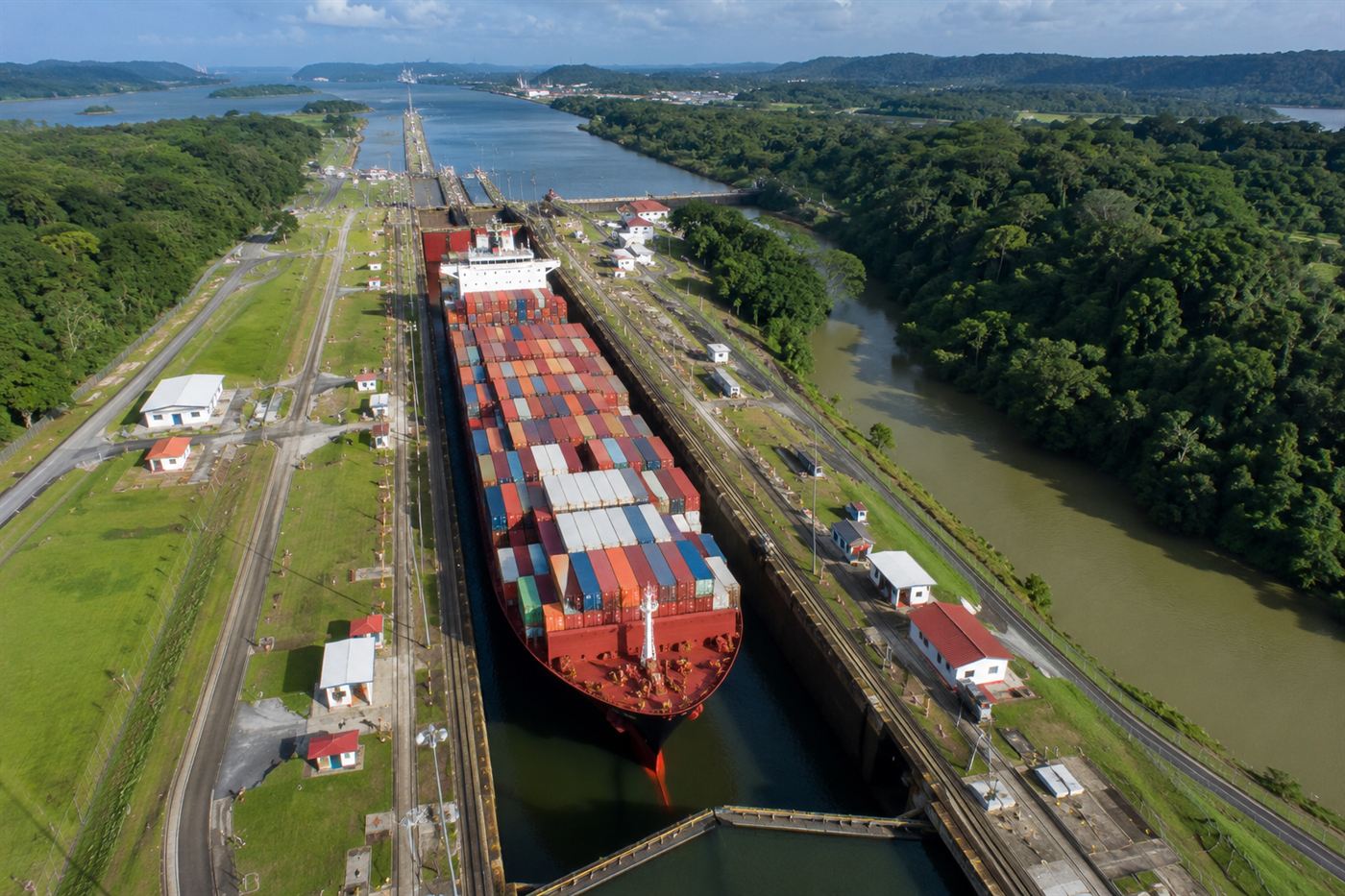
It also helps that so much trade is funneled through a handful of chokepoints, from the Suez Canal to the drought-hit Panama Canal, where every drop of saved fuel adds up.
A whole fleet learning to sail again
WindWings are only one entry in a fast-growing field of wind-assisted propulsion.
The Swedish group Wallenius is building the Orcelle Wind, a car carrier designed around huge telescoping wing sails.
The French company Airseas flies a giant automated kite, the Seawing, from the bow of a ship that ferries parts for the Ariane 6 rocket.
Others are reviving the Flettner rotor, a spinning cylinder first tried in the 1920s that quietly turns wind into thrust.
The International Windship Association now counts a fast-growing fleet of wind-assisted ships, a number that was close to zero only a few years ago.
The honest catch
None of this means the engine is going away.
Wind-assisted propulsion is exactly that, assisted, so the wings trim the fuel bill rather than ending it.
The savings also swing wildly with the route and the weather, and a ship crossing a windless stretch gets very little.
The wings take up deck space and can get in the way of cranes and containers, which is why bulk carriers and tankers suit them better than busy container ships.
Retrofitting is expensive, the payback takes years, and only a tiny share of the roughly 100,000 ships at sea carry anything like a sail today.
Cleaner fuels and electric vessels like the world's largest electric ship will still be needed to finish the job the wind has only started.
The wind that carried the first traders across the sea is being handed back its old job, this time with computers trimming the sails.
These wind-powered cargo ships will not move global trade on their own, but every gust the wings catch is fuel that stays in the ground.
Would you pay a little more for goods shipped under sail, and do you think the wind can ever again move the world's cargo? Tell us in the comments.