In 1963 a fishing crew watched smoke rise from the empty ocean off Iceland, and within days a brand new island named Surtsey had been born
Most land is unimaginably old. Surtsey is not. It is younger than color television, an island whose entire life, from its first violent minute above the waves, has happened in front of scientists. And to keep it pure, almost no one else is allowed to set foot on it.
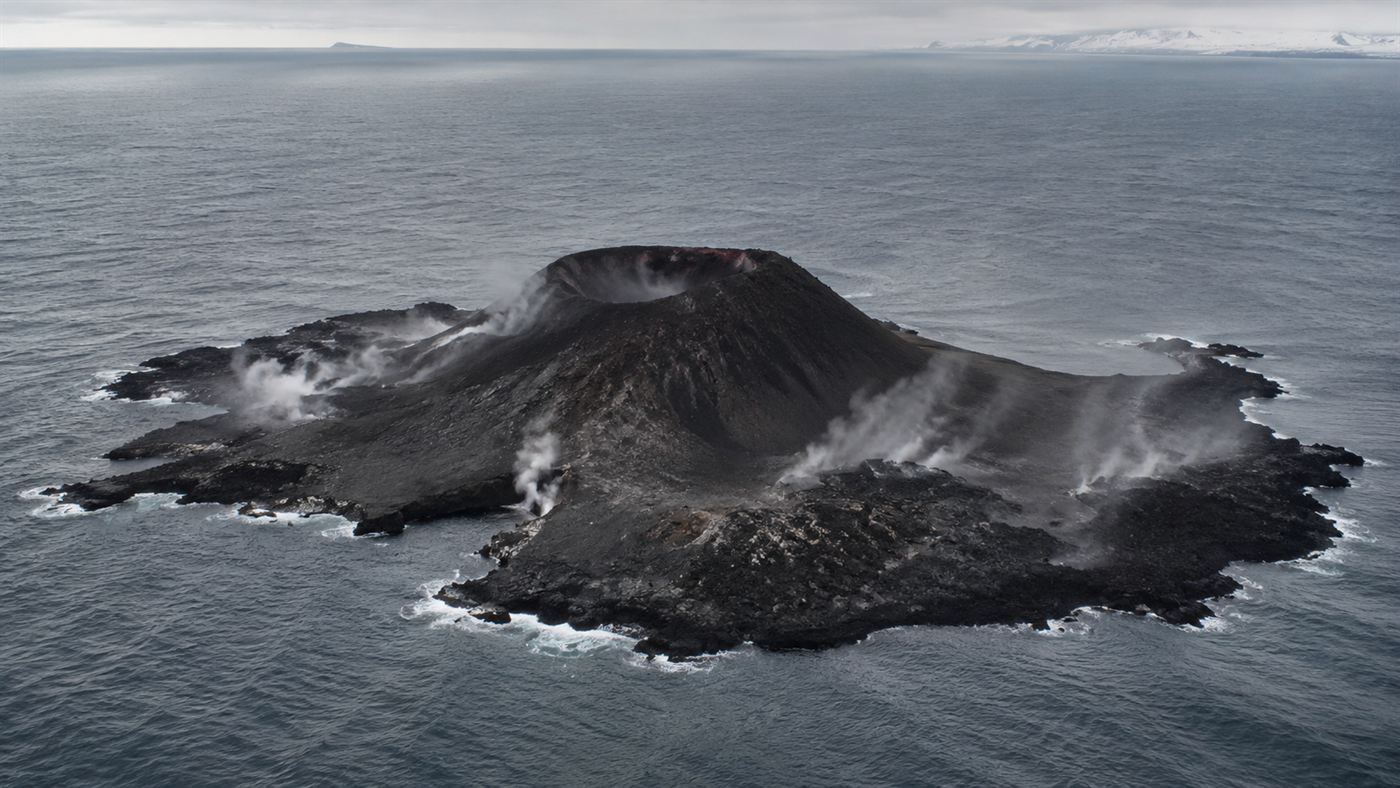
Surtsey rose from the sea in 1963, one of the youngest scraps of land on the planet. Illustration: Watts & Wild.
On the morning of November 14, 1963, the crew of a fishing boat off the south coast of Iceland saw what they first took for another vessel on fire. It was not a ship. It was the sea itself erupting, as a volcano that had been building on the ocean floor finally punched through the surface. Within a day, a new island was rising out of the water, and it would be given the name Surtsey, after Surtr, the fire giant of Norse myth.
What makes Surtsey extraordinary is not just that it appeared, but that we watched. As NASA's Earth Observatory describes it, Surtsey handed scientists a rare chance to study the birth of an island and how life takes hold on brand new ground. This was not ancient history to be reconstructed. It was happening live, from minute one.
The short version: Surtsey is a volcanic island that erupted out of the Atlantic off Iceland in November 1963 and kept growing until 1967. Because it was born sterile and new, Iceland sealed it off to almost everyone so scientists could watch plants and animals colonize it from nothing. It is a living laboratory of ecological succession, and a UNESCO World Heritage Site.
An island born in front of witnesses
The eruption that made Surtsey started roughly 130 metres below the surface, and once the growing cone of lava and ash breached the waves, seawater and magma met in enormous steam explosions that flung black debris into the sky. The eruption did not stop quickly. It carried on, on and off, until June 1967, steadily building the island up and armoring it with hardened lava so the ocean could not simply wash it away.
By the time it finished, Surtsey covered about 2.7 square kilometres, a small dark hump of fresh rock and sand sitting alone in the North Atlantic. It was, geologically speaking, a newborn, and everyone knew exactly how old it was to the day. There are very few places on Earth we can say that about, and it turned this modest Icelandic island into something priceless.
A laboratory nobody planned
Scientists realized almost immediately what they had. Normally, when biologists study how life spreads onto new land, they are piecing together events that happened long ago. Surtsey offered the opposite: a completely sterile volcanic island, its clock starting at zero, where they could watch the very first arrivals and record every step of what ecologists call succession.
To protect that experiment, the authorities did something bold. Even while the volcano was still erupting, in 1965, they restricted access to the island. The logic was simple and strict: if people trampled all over Surtsey, dropping seeds and soil from their boots and lunches, the natural record would be ruined. The only way to learn how nature colonizes empty land is to keep humans from doing the colonizing for it.
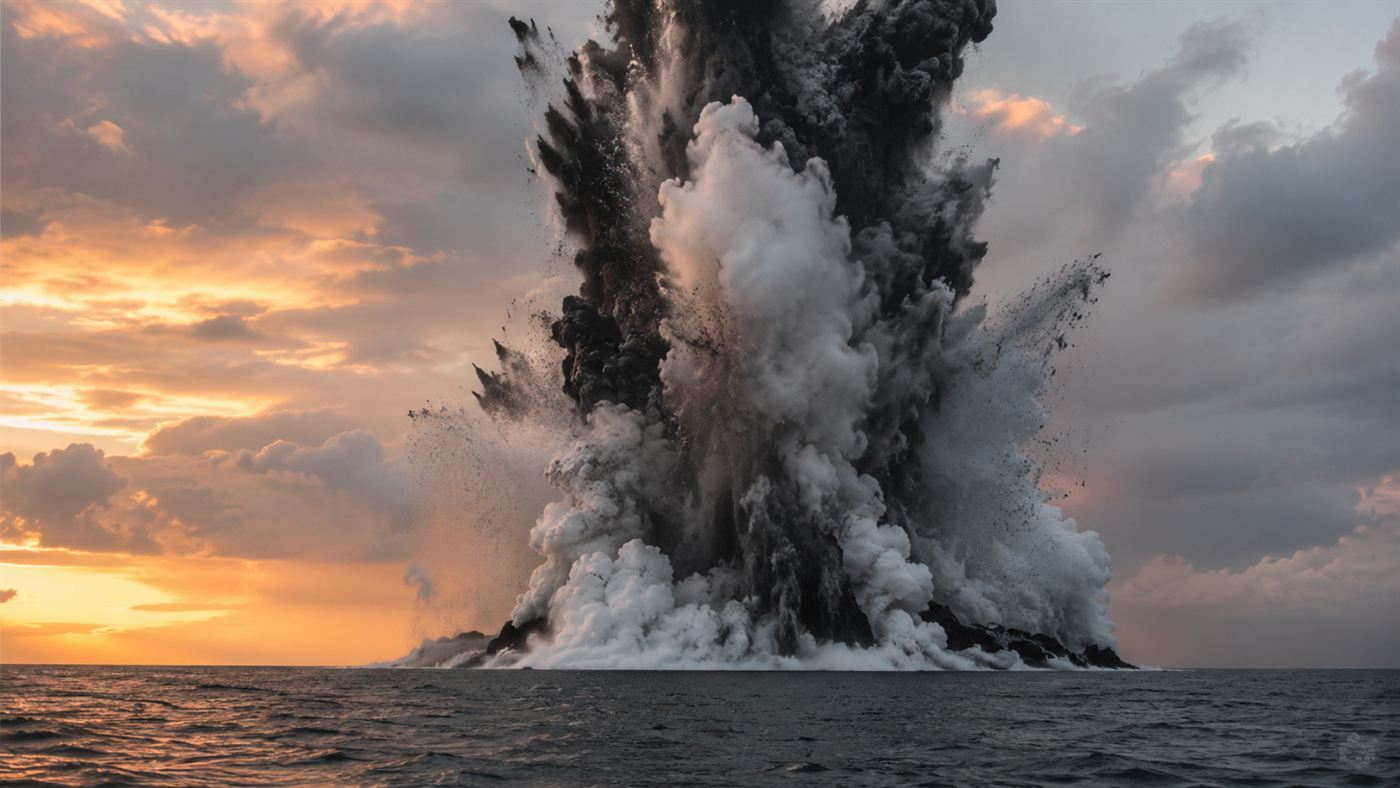
How life found a brand new island
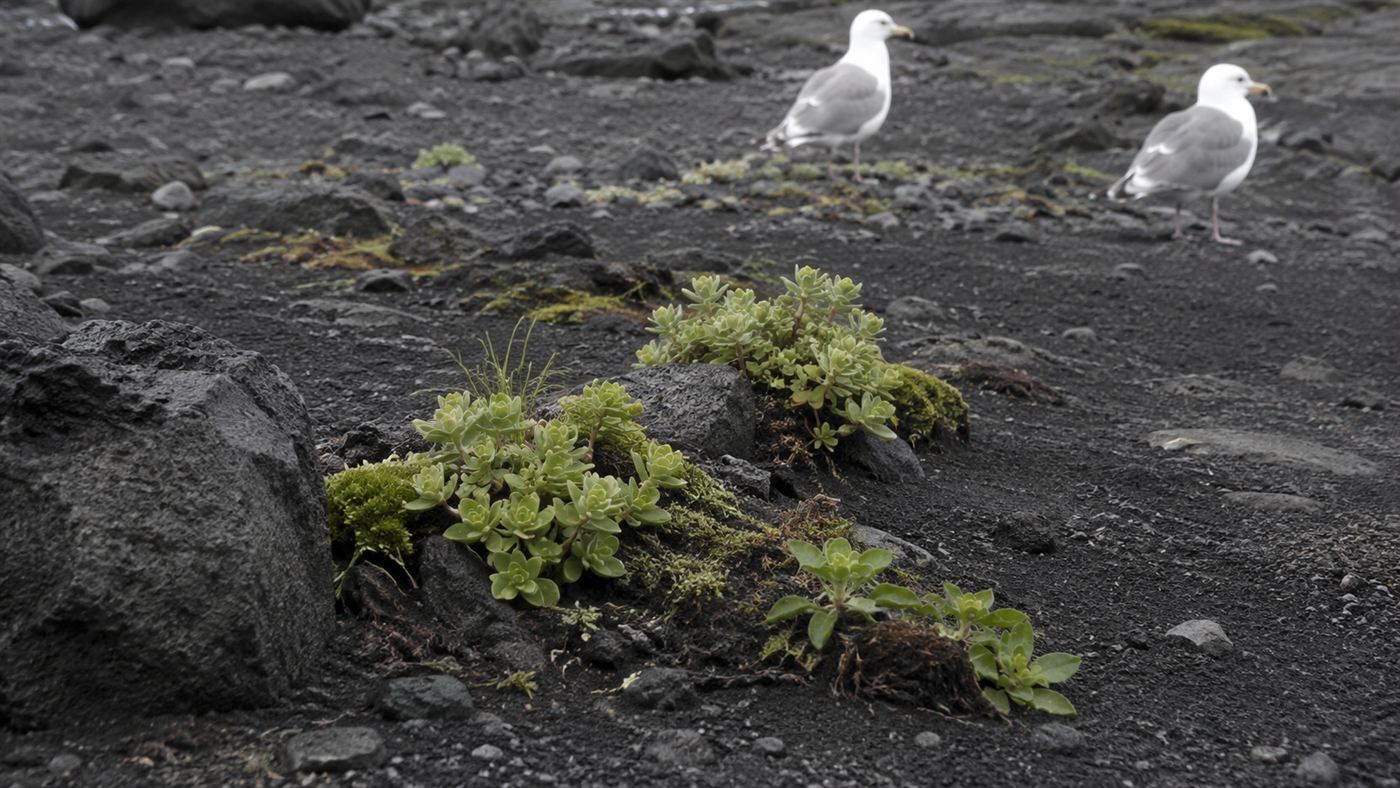
Life did not wait long. Within a couple of years, the first plants were taking root in the black sand, and mosses and lichens began to spread across the bare lava. The pioneers arrived by every route the ocean and sky could offer, seeds and spores carried on the wind, plants washed ashore by the sea, and, above all, life delivered by birds.
The birds turned out to be the great gardeners of Surtsey. Of the dozens of plant species that have colonized the island, the large majority were brought by gulls, either passing through their guts or dropped in their droppings, and once the gulls formed a nesting colony, their rich waste fertilized the ground and the vegetation exploded. Seals hauled out on the shores, insects arrived, and step by step a bare volcanic rock started becoming a living place, exactly as the scientists had hoped to see.
Why Surtsey is off limits to almost everyone
To this day, you cannot simply go to Surtsey. Landing is limited to a small number of approved researchers, visits are tightly controlled, and even they must be careful not to introduce anything foreign. As UNESCO notes in naming Surtsey a World Heritage Site, its value lies in being a pristine natural laboratory, free from human interference, where the colonization of new land can be studied.
That protection has held for six decades, which is why the island's scientific record is so clean and so trusted. It is one of the few places where the rule is not to conserve what is already there, but to protect a process, the slow, unrepeatable story of a world assembling itself. Guard the emptiness, and you get to watch it fill in on its own.
The tomato that broke the rules
The strictness has produced at least one wonderful story. In 1969, a researcher on the island came across something that had absolutely no business being there: a healthy young tomato plant, about 15 centimetres tall, growing happily out of the black ground. Tomatoes are not native to Iceland, let alone to a six-year-old volcano.
The explanation was gloriously human. A member of a research party had answered a call of nature on the island, and a tomato seed, which had survived the trip through a human digestive system, had sprouted in the result. Faithful to their own rules, the scientists pulled the plant up and removed it, refusing to let a stray, human-delivered tomato pollute their pristine experiment. It is a small, funny episode that captures exactly how seriously Surtsey is protected.
The honest catch
The dream of a perfectly untouched Surtsey is, in truth, slightly more romantic than real. Humans do land there, a research hut sits on the island, and the tomato is proof that contamination sneaks in no matter how careful people are. Calling it pristine is a useful goal more than a literal fact, and keeping the public off a natural wonder is a privilege granted to science that not everyone loves.
And Surtsey will not last. The same sea that helped build it is steadily eating it away, and the soft parts of the island have already eroded fast since the 1960s. Over the coming centuries it is expected to shrink to a small, stubborn stack of hard rock. That is the quiet poignancy of the place. We were lucky enough to watch an island be born, and if we are patient enough, we may be the ones who watch it slowly disappear.
An entire island was born in our lifetime, and we chose to leave it alone and simply watch. Is sealing off a place like Surtsey the wisest thing science ever does, or is it wrong to lock the public out of a genuine natural wonder? Tell us what you think in the comments.
Related reading: Socotra, the ancient island whose alien plants grow nowhere else on Earth.
More from Watts & Wild
More in Science & Tech →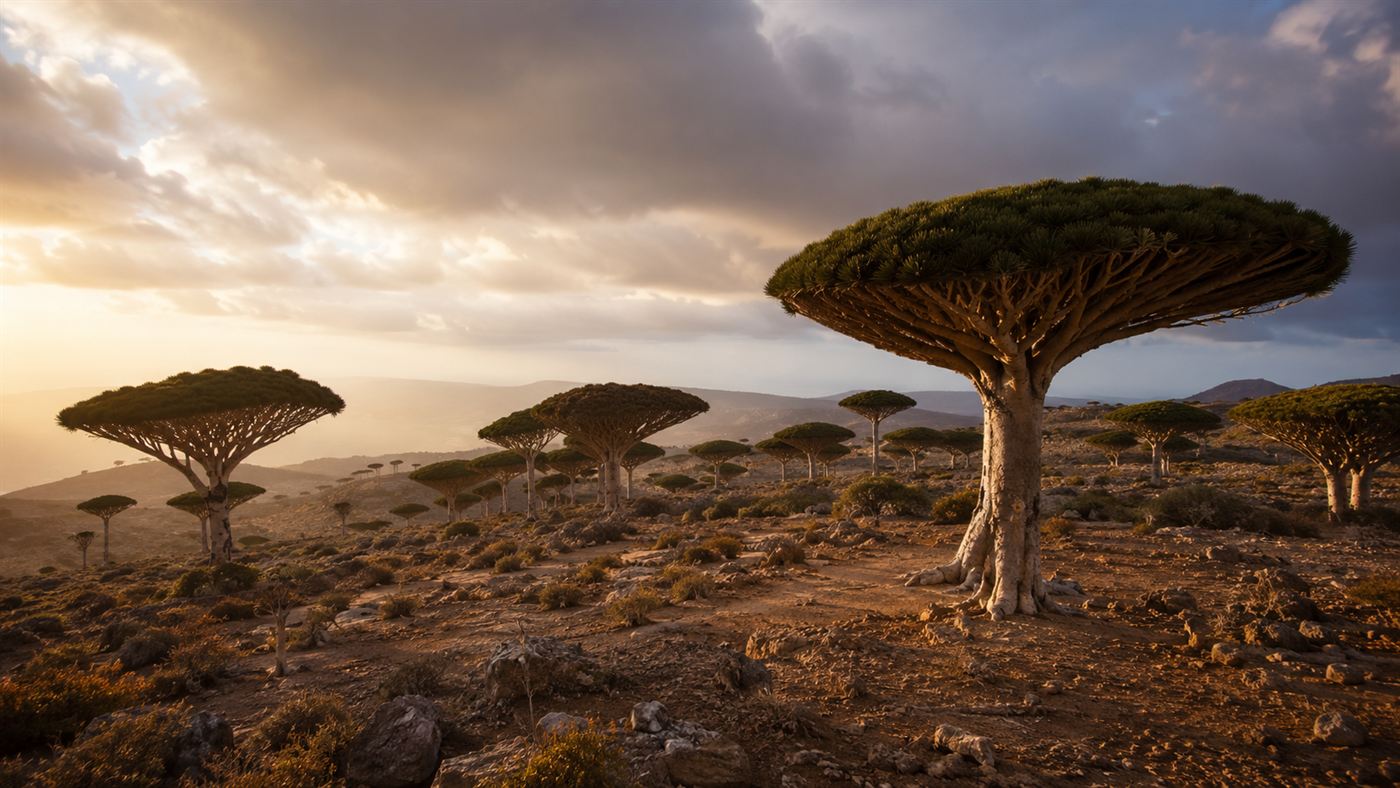

Maria writes about wildlife, ecology, and the strange places where nature and human history collide. She is based in Brazil.