America's largest clean energy project just switched on, eighteen years after it was first dreamed up
On June 18, 2026, the biggest clean energy project in the history of the United States came fully to life in the deserts of the Southwest. Called SunZia, it pairs a vast field of wind turbines in New Mexico with a power line long enough to cross several states, and it was eighteen years from idea to electricity.
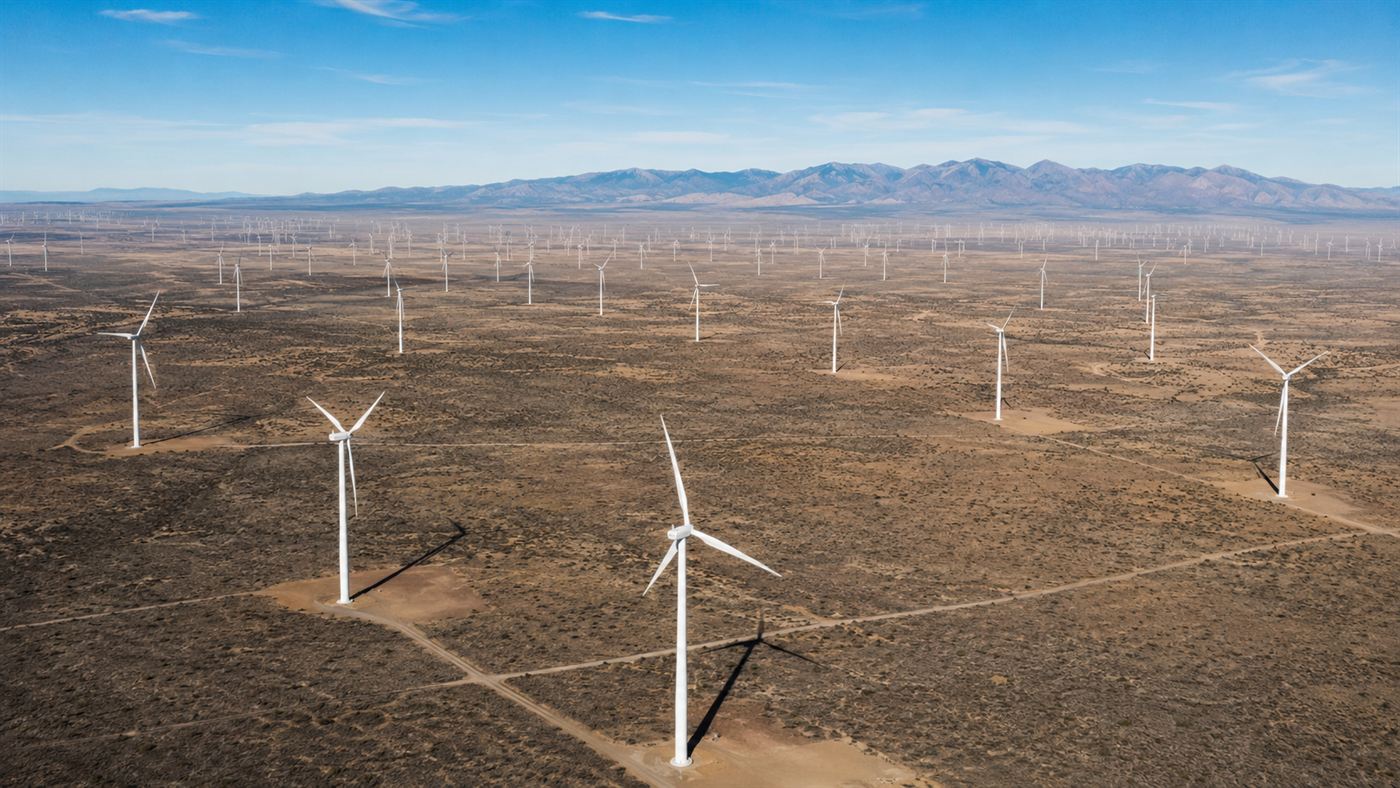
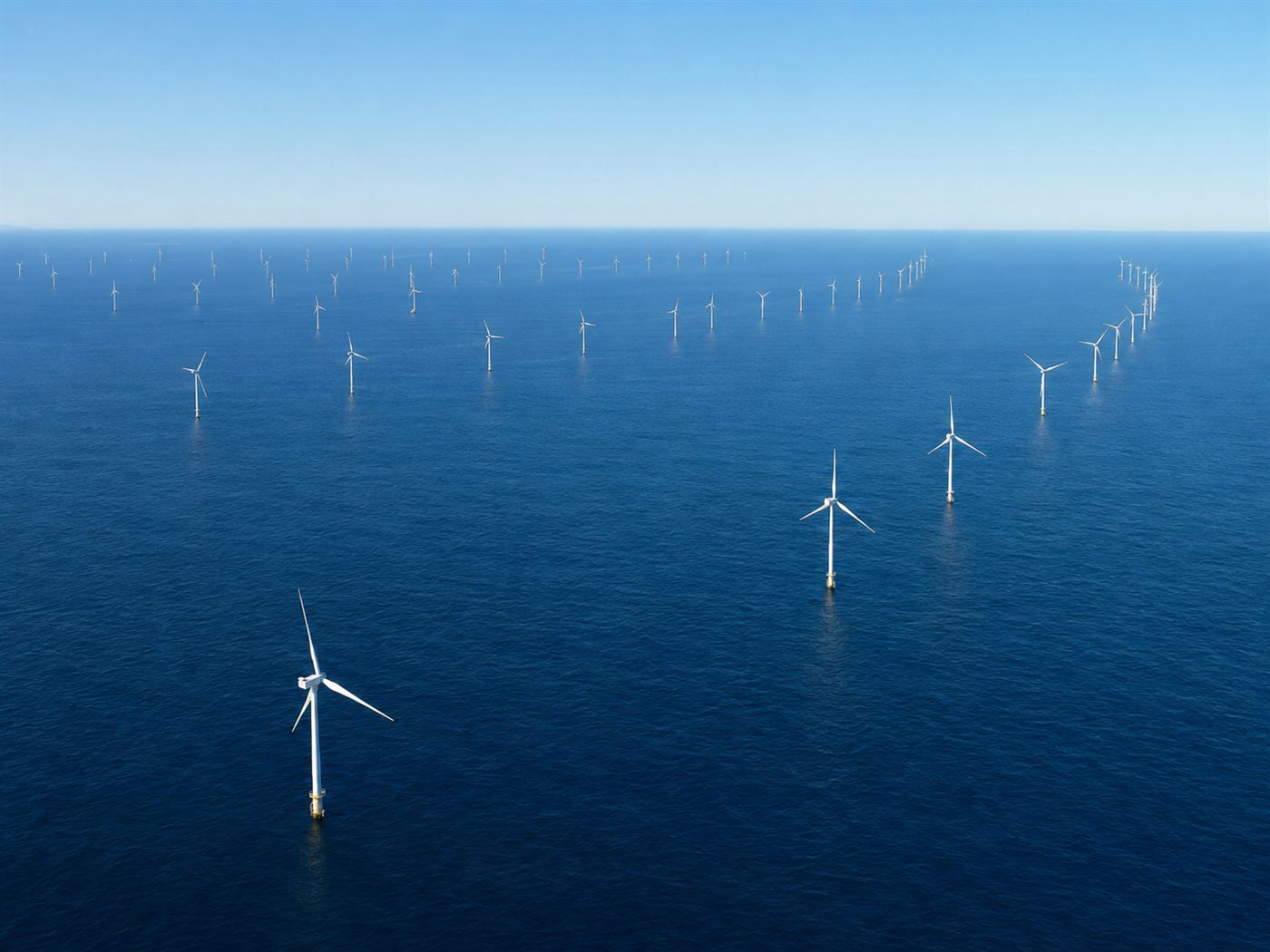
The SunZia wind farm spreads across the high desert of central New Mexico. Illustration: Watts & Wild.
The numbers are the kind that reset a category. SunZia's wind farm can produce 3,650 megawatts from 674 turbines, enough to power roughly a million homes, which makes it about three times larger than the next biggest wind farm in the country. Built by Pattern Energy, it is, by a wide margin, the largest clean energy project the United States has ever completed.
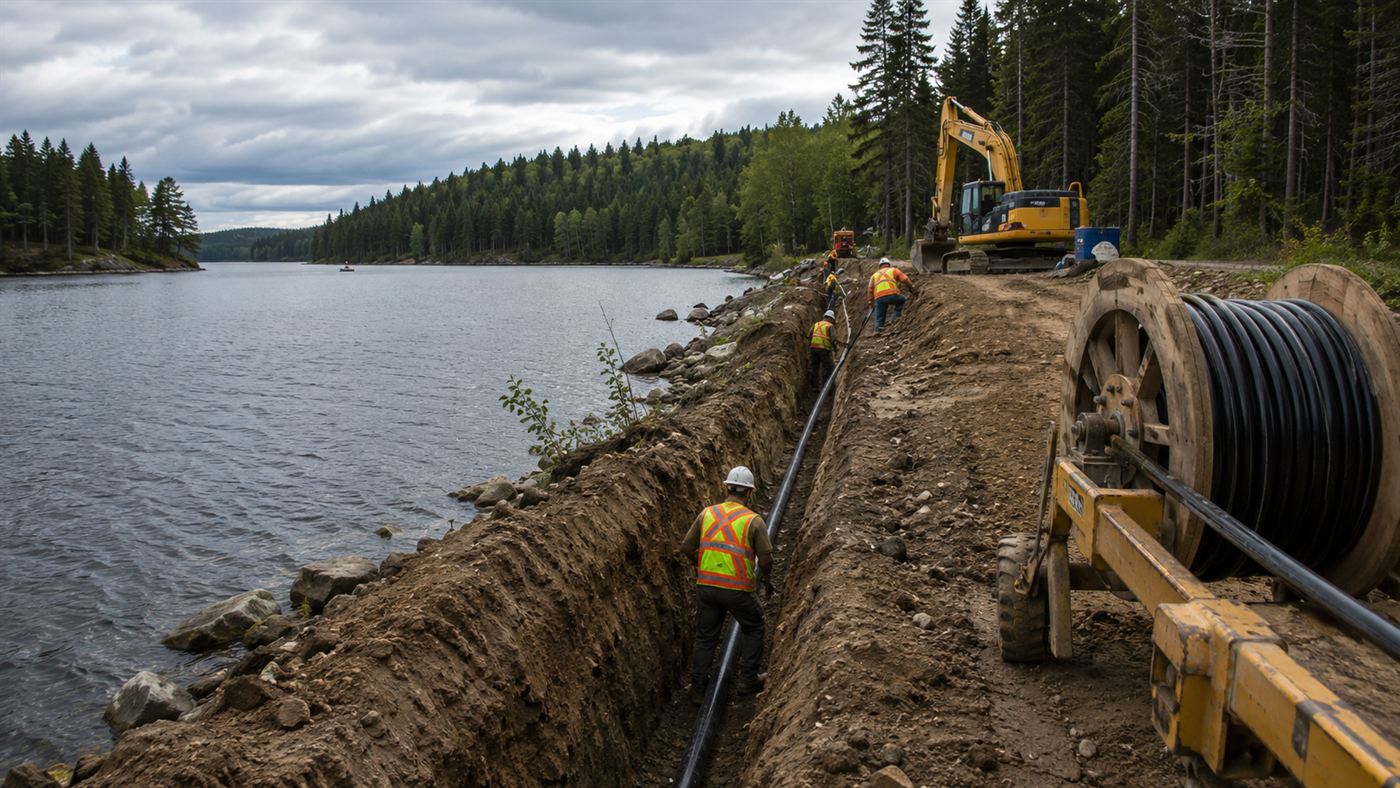
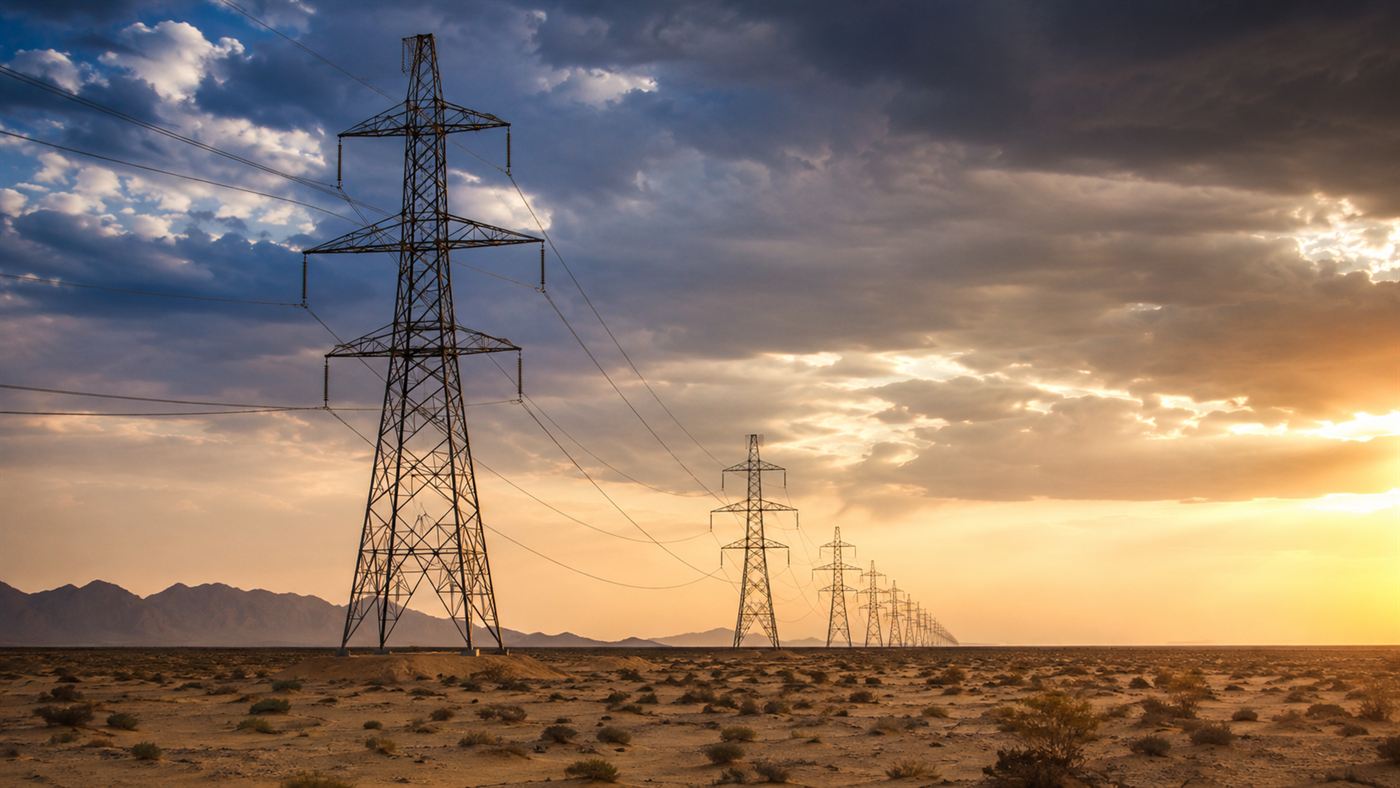
But the wind farm is only half of it. The other half is a 550-mile high-voltage transmission line that carries the power out of remote New Mexico and into Arizona and the wider western grid, where the cities that need it actually are. A giant source of clean power is useless without a giant wire to move it, and SunZia is really both at once.
The short version is that after nearly two decades of trying, one of the most consequential pieces of energy infrastructure in modern America is finally spinning, and its long, tortured path there is as much a part of the story as its size.
What SunZia actually is
Strip away the record-breaking and SunZia is a simple idea done at enormous scale. The windiest, emptiest parts of the country are often far from its cities, so you plant a colossal wind farm where the wind is best and string a very long wire to carry the electricity to where the people are. That is the whole logic, and the whole difficulty.
Central New Mexico has superb, steady wind and few neighbours, ideal for row upon row of turbines. Phoenix and the booming Southwest, hundreds of miles away, are hungry for power. SunZia links the two with high-voltage direct current, the same efficient long-haul technology used to move power over great distances, turning a windy patch of desert into a power plant for a whole region.
Why did it take eighteen years to build?
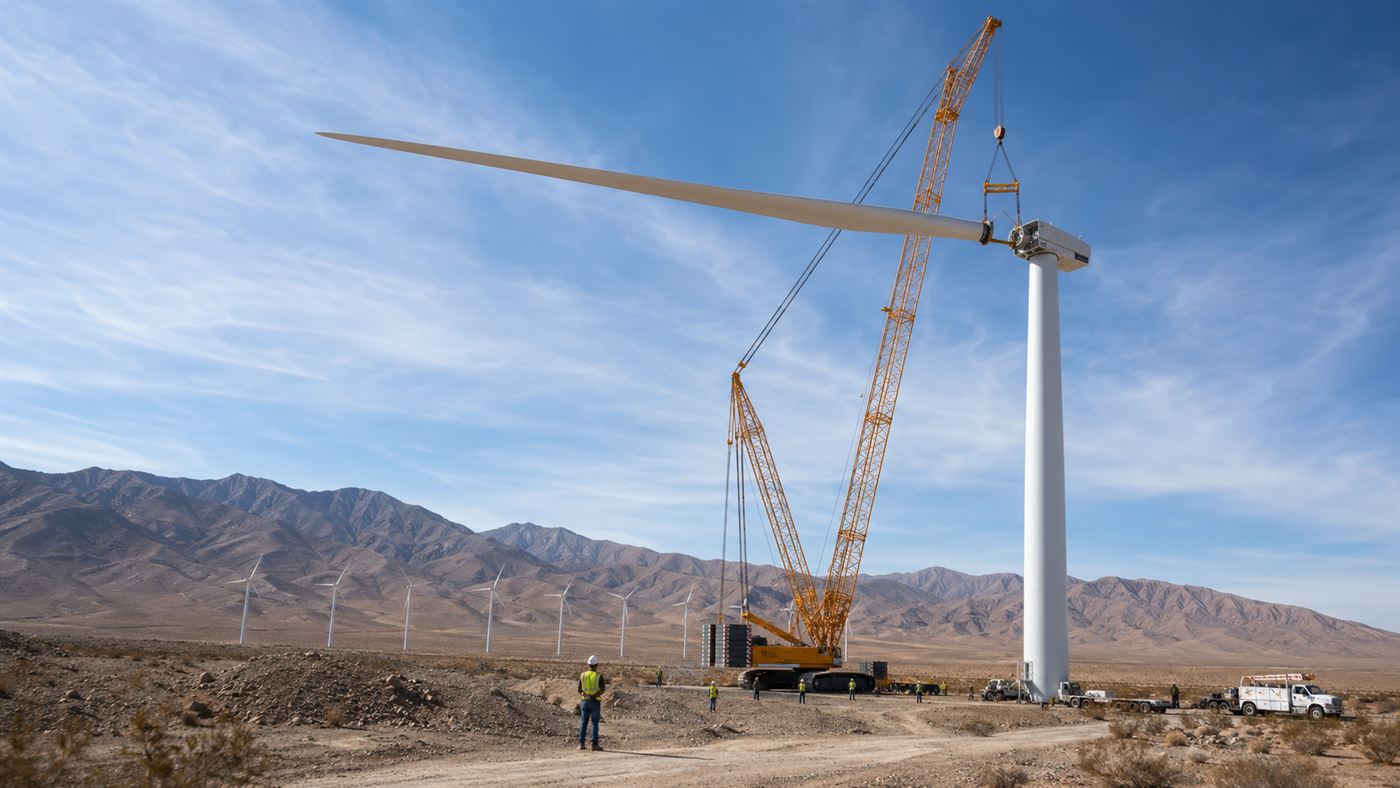
Here is the part that should give everyone pause. SunZia was first proposed around 2006, yet construction did not begin until 2023, and it only switched on fully in 2026. The wind farm itself went up quickly once work started. What ate the years was permission: reviews, lawsuits, land disputes and negotiations over the path of the line across public and private ground.
This is the quiet truth of clean energy in America. The hard part was never the wind, it was the paperwork, and specifically the wire. Building generation is comparatively fast, but stringing a long transmission line through many jurisdictions, past many objections, can take longer than a child takes to grow up. SunZia's developers even noted, with evident relief, that it came in on time and on budget, an outcome so rare in megaprojects that it is worth remarking on.
Why this one project matters so much
Beyond its own power, SunZia matters as a proof of concept. For years, the fear has been that America simply cannot build big, long-distance clean energy any more, that the tangle of rules and opposition has become an impassable wall. Finishing a project this large, on schedule, is a loud argument that the wall can still be climbed.
Its chief executive put it bluntly, saying SunZia proves the country can still build the consequential infrastructure it needs. If a wind-and-wire project of this scale can cross the finish line, it offers a template, and a morale boost, for the dozens more the country will need if it is serious about cleaning up its grid.
The honest catch
It is right to celebrate this, and the achievement is genuinely huge. Clean power for a million homes, delivered without a puff of smoke, built on time in a country that struggles to build anything on time, is a real and cheering milestone. The engineering and the sheer persistence behind it deserve applause.
But the catch is written into the timeline. Eighteen years for one project is not a plan, it is a warning. The wind does not always blow, so even a giant like this leans on other sources and storage to keep the lights steady, and its turbines and long line still carve into wild land and views. Most of all, if the country needs dozens of these and each takes a generation to permit, the maths does not work. SunZia is a triumph and a template. It is also a measure of how badly the slow, tangled business of moving power still needs fixing.
Sources: Pattern Energy on SunZia coming online, US News, and Impakter.
A wind farm three times bigger than any before it is finally feeding the Southwest, after a wait longer than some of its engineers' careers. Should America force through the permits to build clean energy faster, even over local objections, or is the slow, careful path worth the cost? Tell us what you think in the comments.
Related reading: America's largest offshore wind farm, rising off Virginia. See also the buried line carrying clean power to New York, and the cheap salt batteries meant to store wind and solar.