Hawaii built its only geothermal plant to harvest the heat of an active volcano, and in 2018 that volcano nearly destroyed the Puna Geothermal Venture as lava buried its wells and swallowed the neighborhood next door
Tapping a volcano for clean power is a brilliant idea right up until the volcano erupts. In 2018, Kilauea called that bluff. Lava poured into the Puna Geothermal Venture, and a quiet race began to keep its wells from becoming poison-gas geysers.
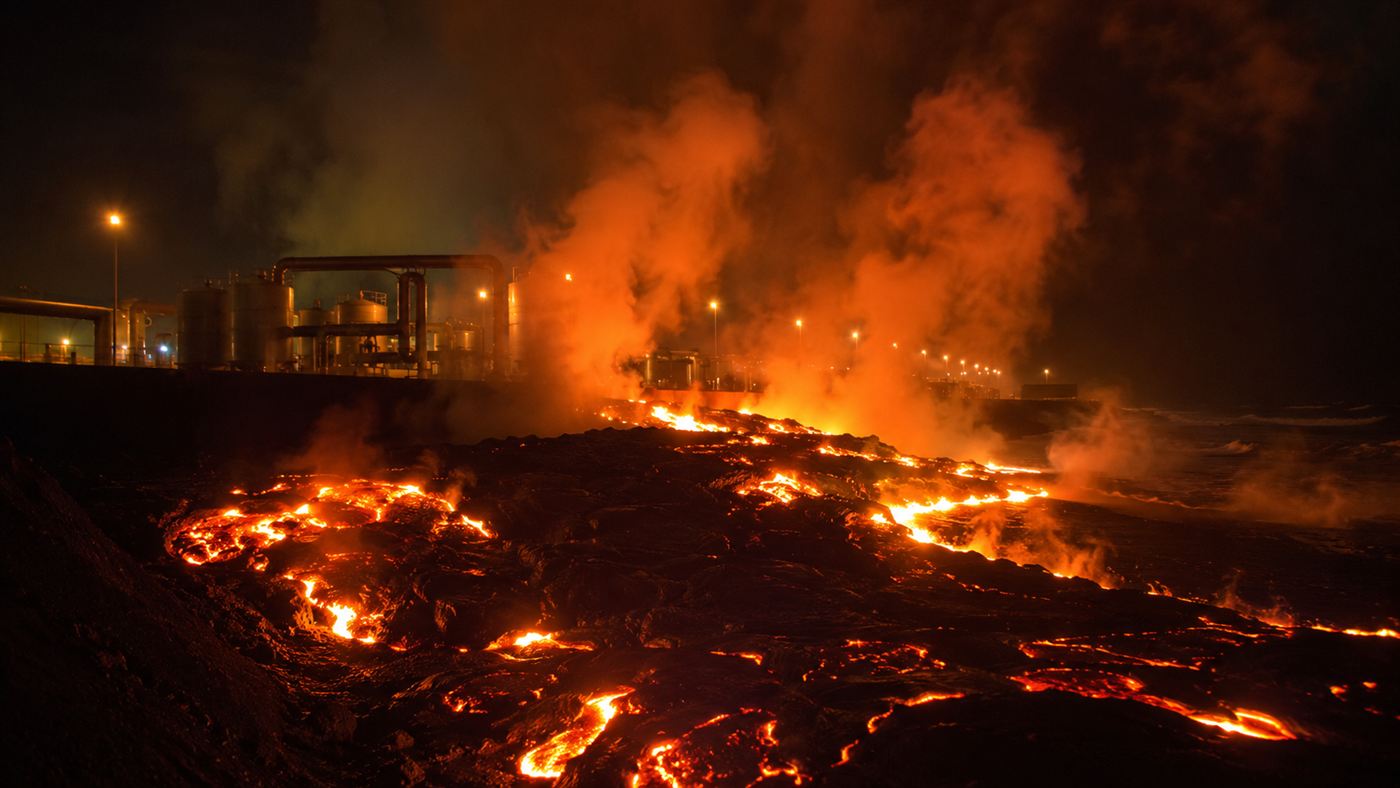
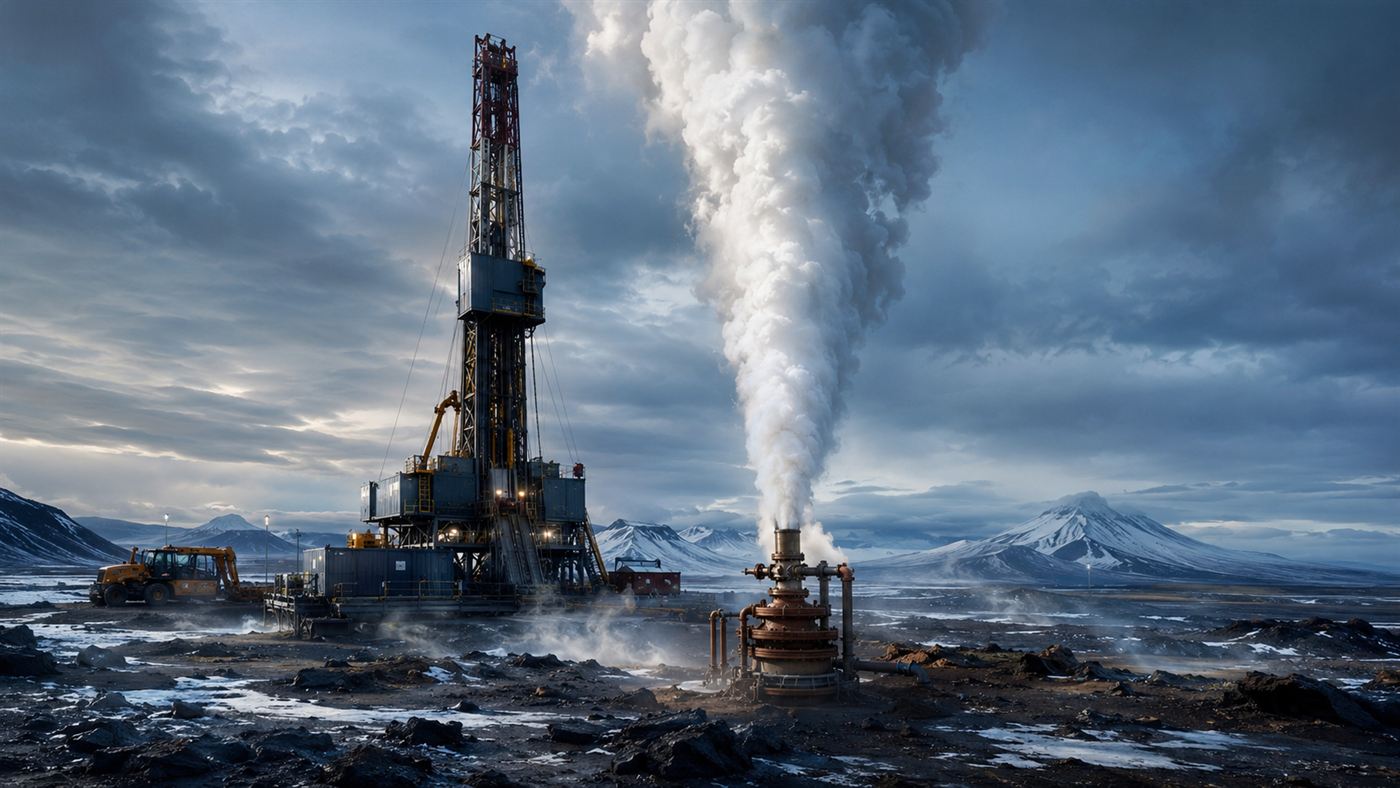
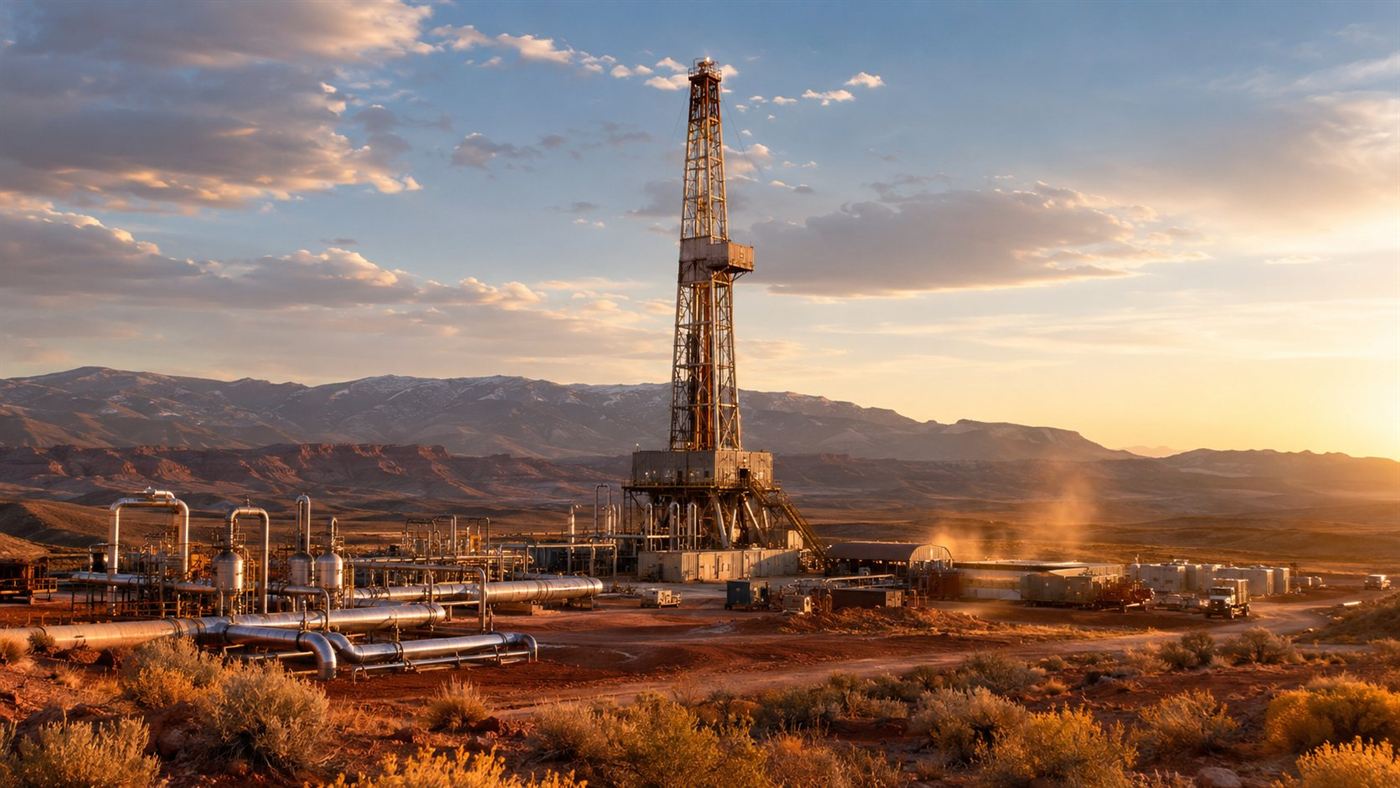
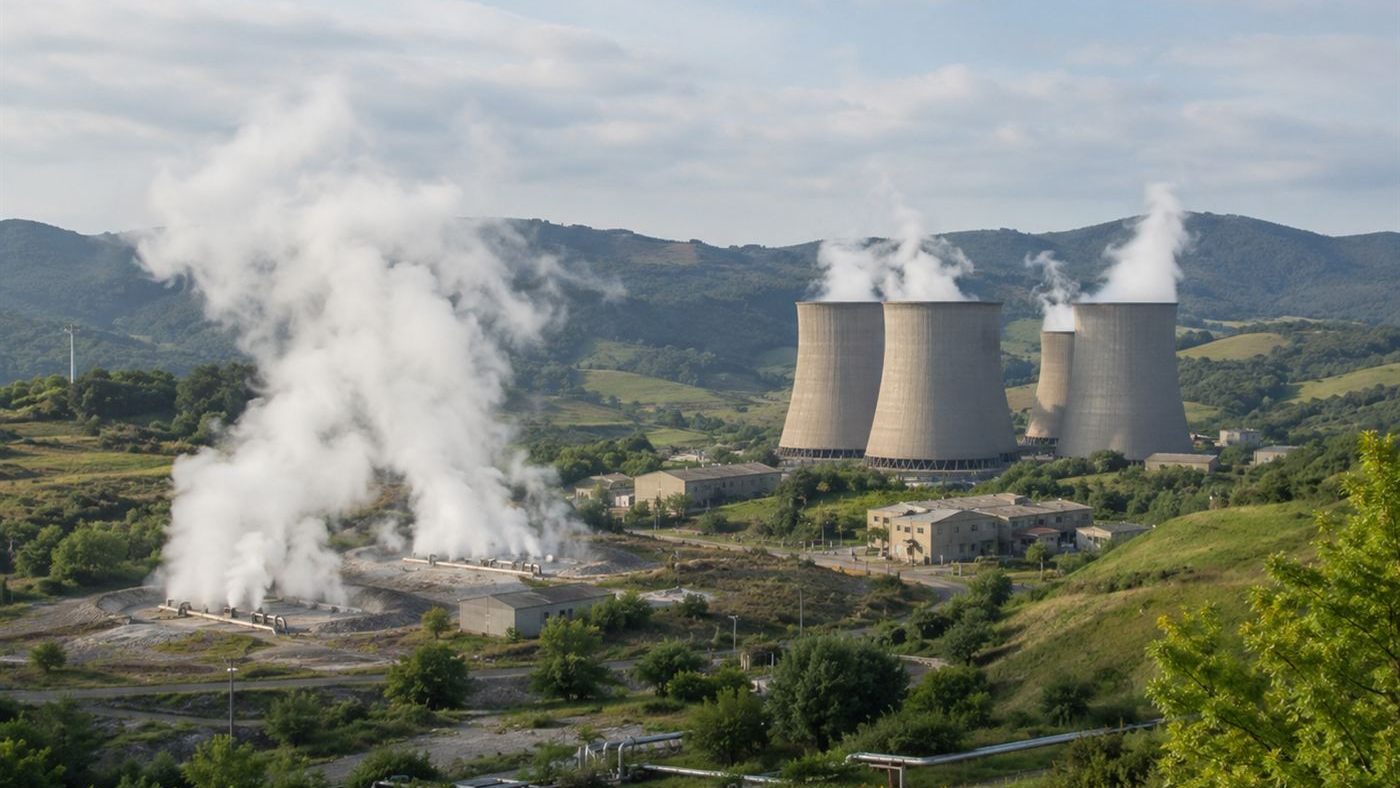
Kilauea's 2018 lava crept into the Puna Geothermal Venture on Hawaii's Big Island. Illustration: Watts & Wild.
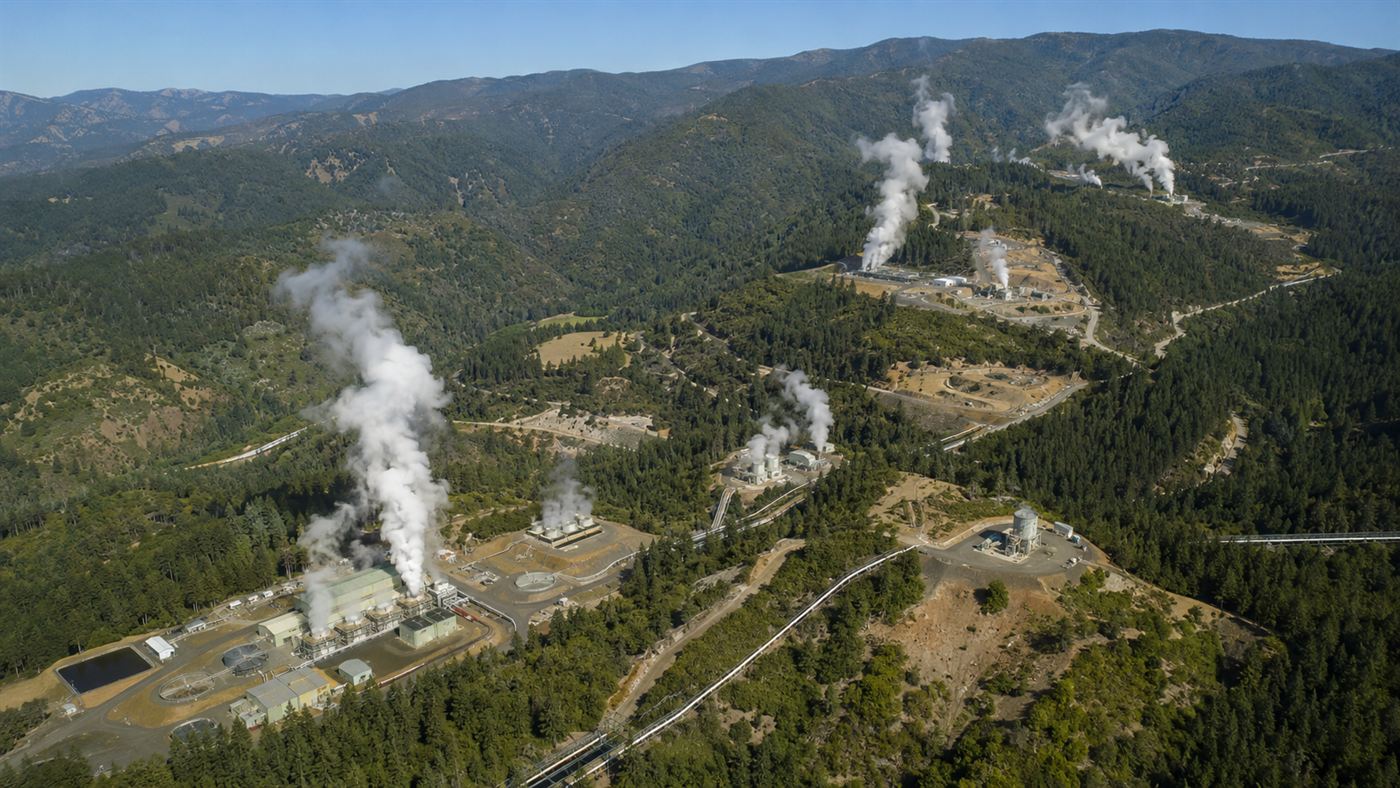
On the Big Island of Hawaii, a power plant sits directly on the flank of one of the world's most active volcanoes, and that is the whole point. The Puna Geothermal Venture drills into Kilauea's East Rift Zone to pull up superheated steam and brine, turning volcanic heat into electricity. It is clean, it runs day and night, and for years it quietly supplied a huge share of the island's power. It is also, arguably, one of the boldest and riskiest places anyone has ever built a power station.
In the spring of 2018 the gamble came due. As CNBC reported at the time, workers scrambled to plug the plant's geothermal wells as Kilauea sent lava toward the site, fearing that an uncapped well overrun by lava could vent hydrogen sulfide and other toxic gases. What followed was a slow-motion collision between renewable energy and raw geology.
The short version: the Puna Geothermal Venture is Hawaii's only geothermal plant, built on an active rift zone of Kilauea. In 2018 the volcano erupted right beside it, lava buried some of its wells and the neighboring Leilani Estates subdivision, and crews had to quench all 11 wells to prevent a toxic gas disaster. The plant went dark for over two years before restarting.
What is the Puna Geothermal Venture?
The plant opened in 1993 as Hawaii's first and only commercial geothermal operation, and it grew over the years to a capacity of 38 megawatts. That does not sound like much next to a mainland power station, but on a relatively small island grid it is enormous: by 2017 the plant was supplying roughly 31 percent of all the electricity on the Big Island.
Its appeal is real. Geothermal power does not care whether the sun shines or the wind blows, so it gave Hawaii a rare source of steady, home-grown, low-carbon electricity on islands that otherwise burn a lot of imported oil. The catch was always the address. The same rift zone that delivers all that free underground heat is, by definition, where Kilauea tends to erupt.
When the rift zone opened up
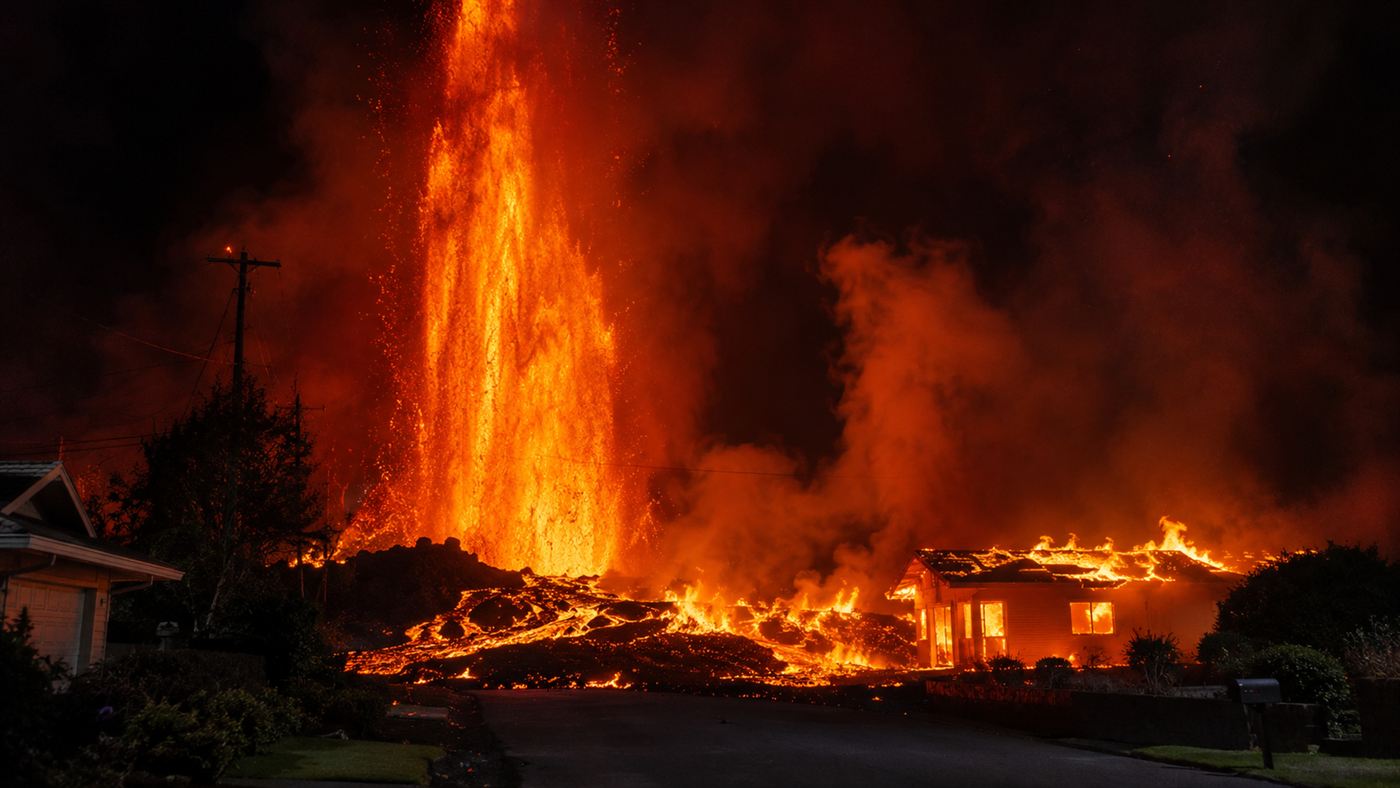
In early May 2018, after hundreds of earthquakes, the ground literally split open in and around Leilani Estates, a subdivision right next to the plant. Fissures tore across streets and yards, and one of them, later known as fissure 8, hurled fountains of lava as high as a 25-story building. Over the following weeks the 2018 Kilauea eruption destroyed roughly 700 homes, buried farms, and filled in a whole bay along the coast.
The lava did not spare the power plant. By late May the lava flow had crossed into the site, and on May 27 a lava flow covered a wellhead, believed to be the first time in history that lava had ever buried a geothermal well. In the end the flows swallowed several wellheads, a substation, and a drilling rig stored in a warehouse, cut the only road in, and burned the transmission lines that carried the plant's power to the grid.
The race to plug the wells
The scariest problem was invisible. A geothermal well is a deep, pressurized hole tapping straight into the volcano, and an open one buried by lava could have turned into a vent spewing hydrogen sulfide, a poisonous gas, over the area. So as the Kilauea eruption built, crews worked to quench the wells, pumping in cold water to hold back the upward pressure of steam, then capping them with mud and iron plugs.
They also hauled away the plant's stored pentane, a flammable liquid used in the generators, before flames could reach it. Ten of the eleven wells were quenched with water; the last, still stubbornly hot, had to be plugged with mud. It was an improvised, high-stakes operation carried out with lava advancing, and it worked: the feared toxic release never came. The plant was wrecked, but the disaster inside the disaster was avoided.
Coming back from the lava
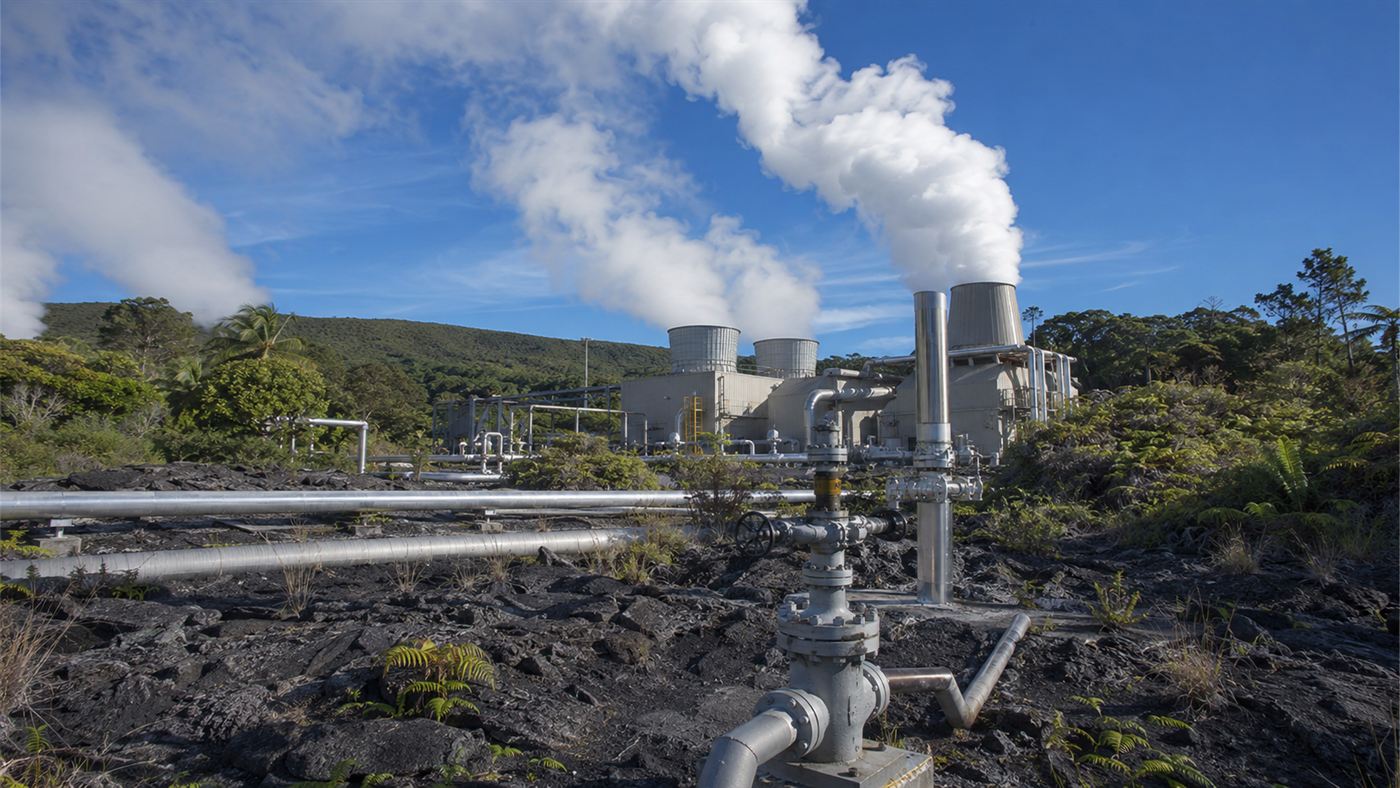
Remarkably, the plant did not stay dead. After the eruption ended, the company cleared new rock, drilled and repaired wells, and rebuilt the damaged equipment, and the Puna Geothermal Venture resumed generating electricity in November 2020, more than two years after it went dark. It has since worked to restore and even expand its output on the Big Island.
Its return matters because Hawaii has committed to running entirely on renewable electricity, and geothermal is one of the few clean sources that can provide steady baseload power there. Losing the plant for two years meant burning more oil in the meantime. Bringing it back on a rift zone that just erupted is either impressive resilience or tempting fate a second time, depending on who you ask.
The honest catch
It would be easy to frame this as a heroic comeback, and the well-plugging genuinely was one, but the plant was contentious long before 2018. Neighbors had complained for years about noise, the rotten-egg smell of hydrogen sulfide, and past well blowouts, and many argued that a plant tapping pressurized volcanic fluids never should have been sited in a residential area on an active rift zone in the first place. The disaster did not create those worries; it confirmed them.
There is a genuine tension with no clean answer. Geothermal energy is exactly the kind of firm, low-carbon power that a fossil-dependent island needs, and this plant provides a lot of it. But it sits in one of the few places on Earth where the ground itself can open up and pour fire on your equipment. Rebuilding here is a bet that the benefits of clean baseload power are worth living beside a volcano that has already proven what it can do.
A plant that turns a volcano into clean power was nearly erased by that volcano, and then came back to do it all over again. Is tapping a live volcano for clean energy brave engineering or an accident waiting to happen twice? Tell us what you think in the comments.
Related reading: how the Geysers in California became the world's largest geothermal field, and how engineers in Iceland are trying to drill straight into a magma chamber.