The largest living thing on Earth is not a whale or a tree but a humongous fungus quietly spreading under an Oregon forest for thousands of years, killing it from below
The humongous fungus of Oregon is the biggest living organism science has ever found, a single honey fungus sprawling across nearly four square miles of forest. It is thousands of years old, weighs as much as thousands of cars, and is almost entirely invisible, betrayed only by the trees it slowly kills.
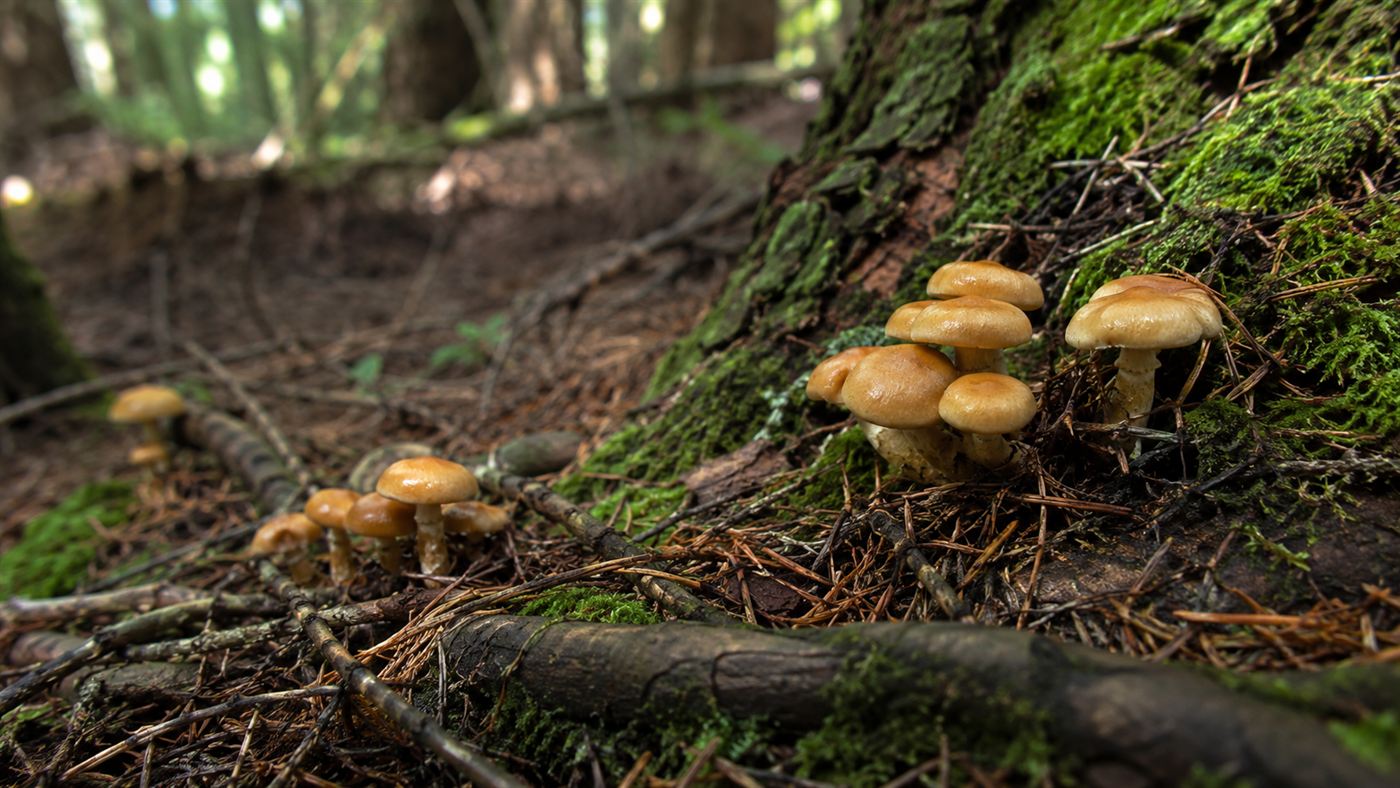
Honey-colored mushrooms are the only visible part of the humongous fungus; the giant lives underground. Illustration: Watts & Wild.
The humongous fungus does not look like a record-breaker, because mostly you cannot see it at all. Spread beneath the Malheur National Forest in eastern Oregon is a single living organism so large it has to be measured in square miles: one individual honey fungus, a species called Armillaria ostoyae, that covers around 2,385 acres, an area bigger than a thousand football fields. By any reasonable measure, it is the largest living thing on the planet.
Almost all of it is hidden. As the Oregon Encyclopedia describes it, the fungus lives as a vast web of pale threads and black, bootlace-like cords woven through the soil and into the roots of trees, and the only parts that ever surface are clusters of honey-colored mushrooms in autumn and, more tellingly, rings of dead and dying trees. It has been growing, as one continuous creature, for somewhere between two thousand and eight thousand years.
What is the humongous fungus? The humongous fungus is a single Armillaria ostoyae honey fungus in Oregon's Malheur National Forest, considered the largest living organism on Earth. It covers about 2,385 acres, roughly four square miles, is estimated to be thousands of years old, and spreads underground, killing the conifer trees whose roots it feeds on.
The humongous fungus is mostly invisible
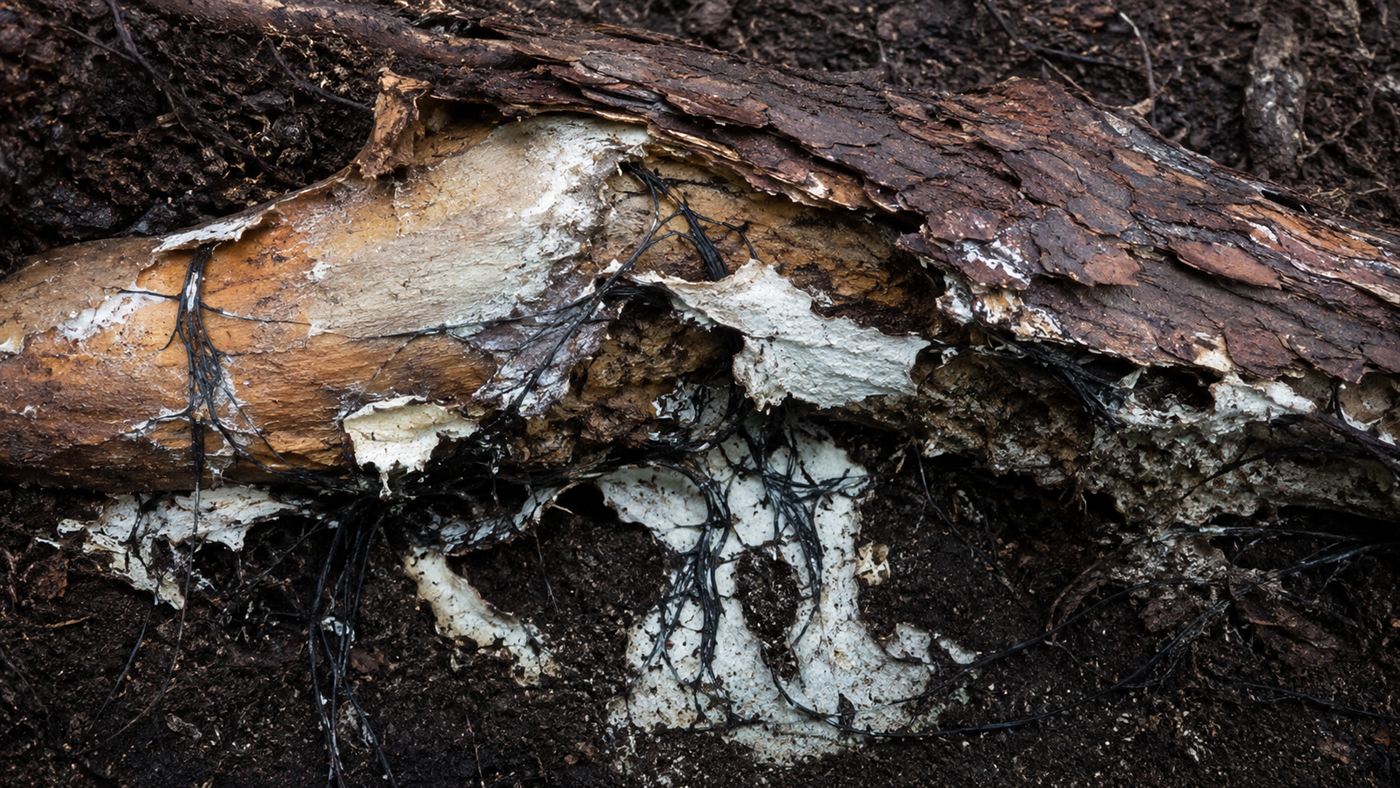
The strangest thing about the humongous fungus is how little of it you would ever notice. There is no towering trunk, no vast body, nothing that announces the largest organism on Earth. Instead the creature exists as mycelium, a sprawling mesh of fine white filaments, plus tough black cords called rhizomorphs that look exactly like old bootlaces and let the fungus travel through soil in search of fresh roots to attack.
Only in the autumn does it briefly show itself, pushing up clumps of edible honey mushrooms here and there across the forest floor, which a hiker would never connect to one another. The rest of the year the giant is entirely underground, and estimates of its weight range enormously, from around 7,500 tons to as much as 35,000, simply because no one can dig up a four-square-mile organism to put it on a scale.
A giant that kills the forest
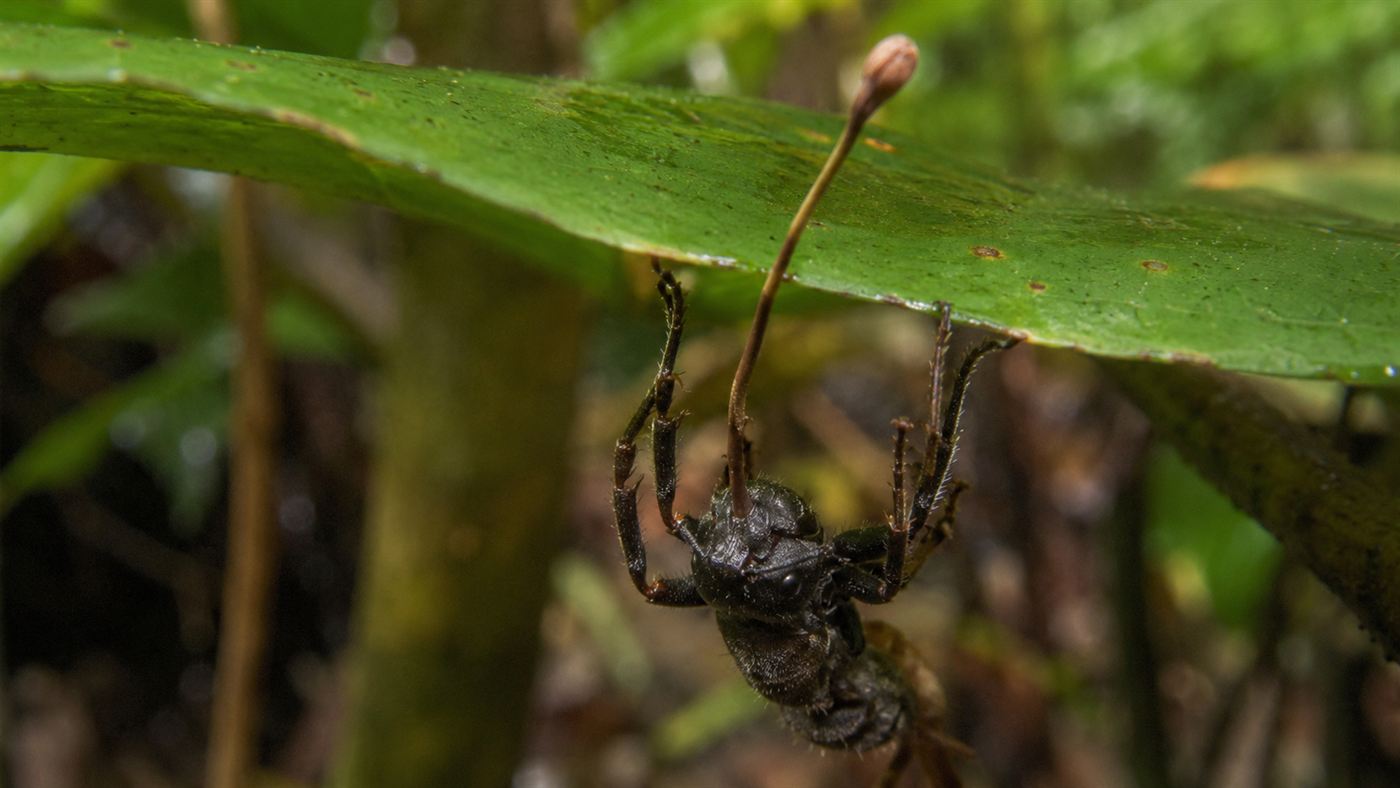
This is no gentle vegetable colossus. The humongous fungus is a parasite, and a lethal one. Its rhizomorphs find the roots of conifers, push white sheets of fungal tissue under the bark, and slowly strangle and digest the tree's root system, cutting off its water and starving it. Stand of by stand, the forest above the fungus sickens and dies.
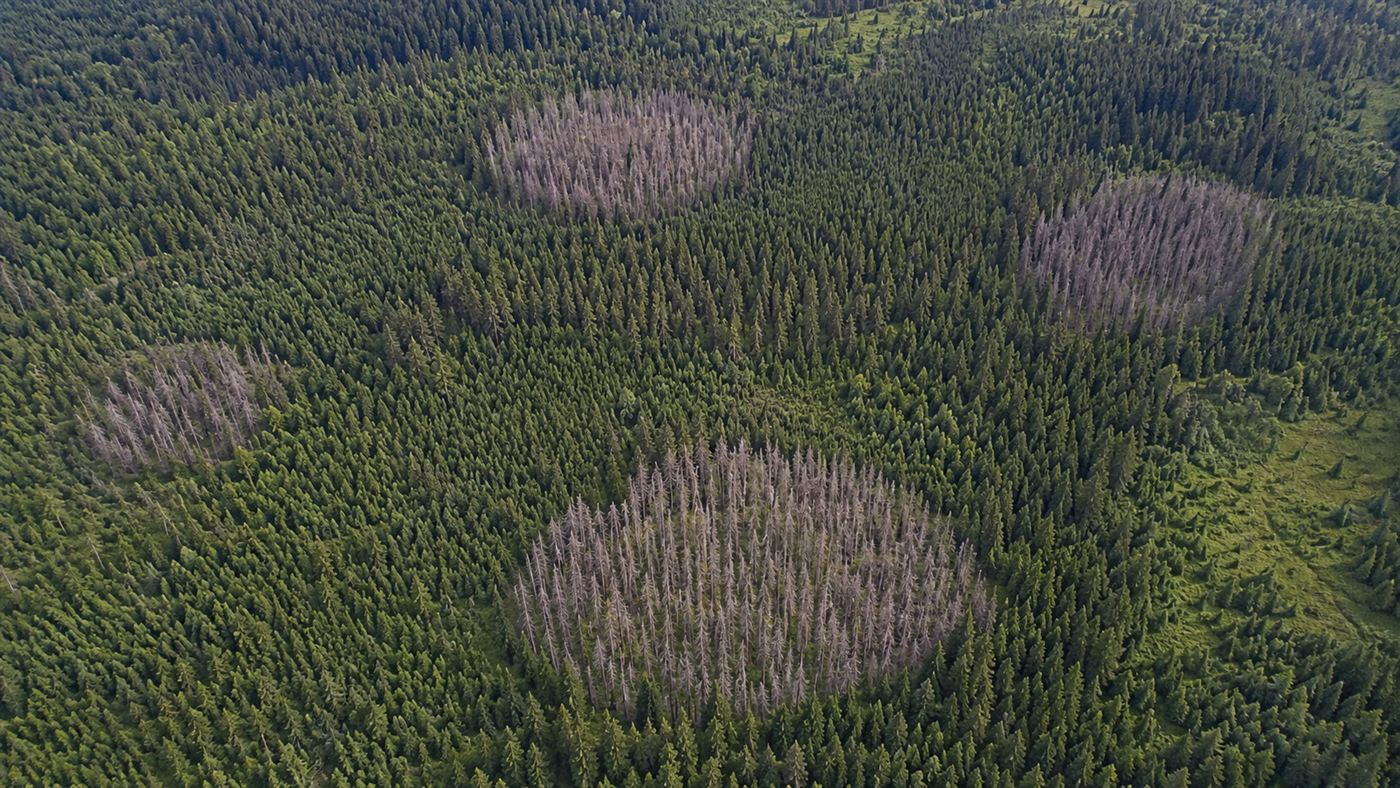
From the air the damage draws the fungus's own portrait. As the organism spreads outward from its center, it leaves behind expanding rings of dead and dying trees, what foresters call disease centers, so that the killer effectively maps itself across the landscape in standing skeletons. The largest living thing on Earth keeps growing, in part, by killing some of the next-largest things around it.
How scientists found it
The hunt for giant fungi began in 1992, when the biologist James Anderson and colleagues showed that an Armillaria in Michigan, covering 37 acres, was a single organism, and journalists gleefully called it a "humongous fungus." That set off a search for bigger ones. In Oregon, US Forest Service scientists were already puzzling over why patches of the Malheur forest kept dying, and they began collecting samples of the fungus killing the trees.
When they fingerprinted the DNA of those samples, the answer was staggering. Specimens taken from points spread across thousands of acres turned out to be genetically identical, which meant they were not many fungi but one, a single individual sprawling under almost four square miles of mountainside. The trees had been dying because one enormous, ancient organism was eating the forest from the roots up.
Is it really one organism?
It is fair to ask whether a network of underground threads really counts as a single creature, and the honest answer is that it depends on your definition. By the test biologists usually use, genetic identity, the humongous fungus passes easily: every sample is the same individual, grown clonally from one original spore that landed thousands of years ago. It is, genetically, one being, even if it has no single body you could point to.
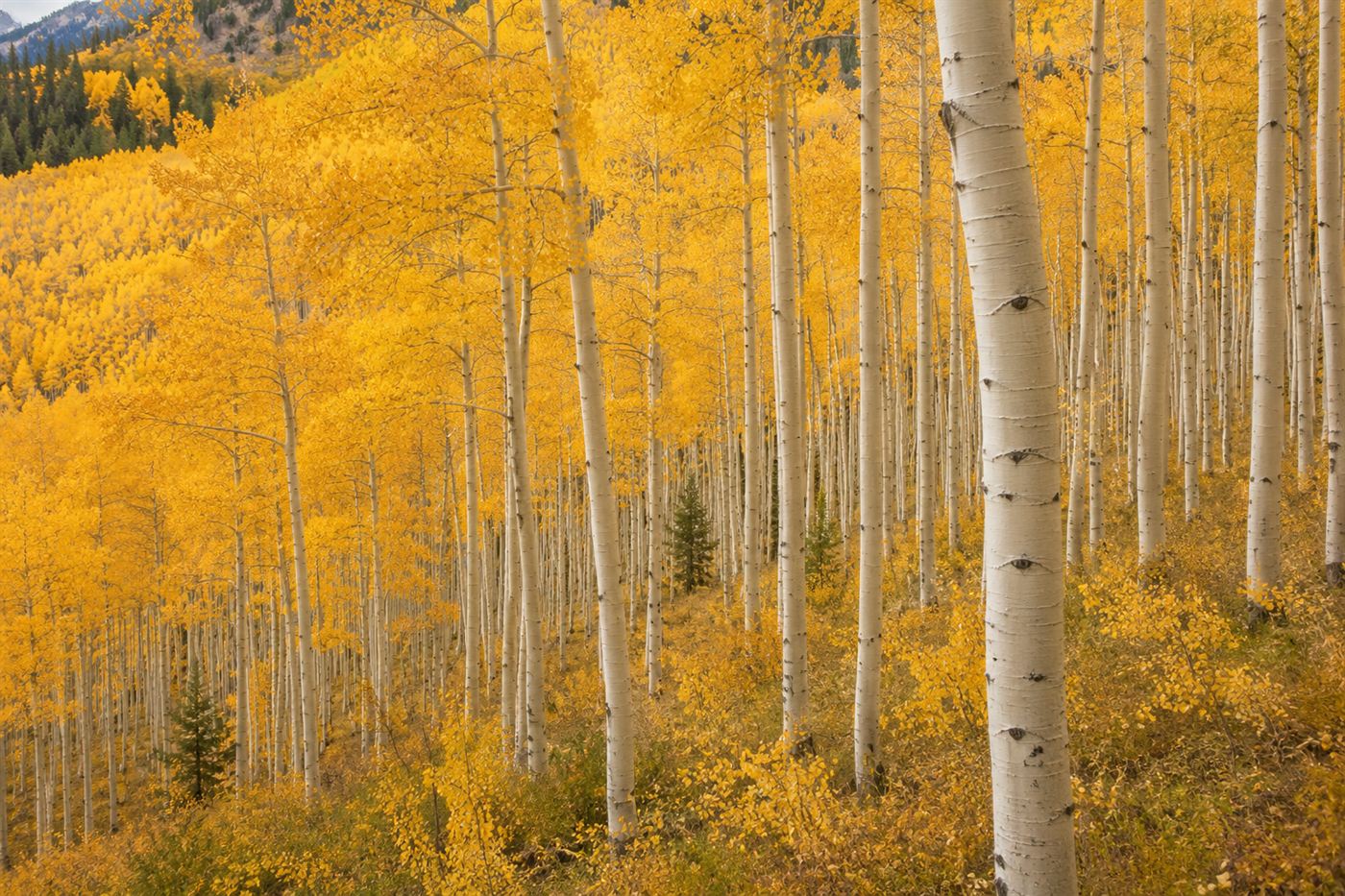
That is also why its title is quietly contested. Measured by sheer area and likely mass, this Armillaria is the biggest known organism, but rivals exist depending on how you count, including Pando, a single quaking aspen in Utah that is one connected clone of tens of thousands of trunks. Whether the crown belongs to the fungus or the forest of one tree comes down to whether you measure life by weight, by area, or by something else entirely.
The honest catch
A few caveats keep the wonder honest. The eye-catching figures, the thousands of years, the tens of thousands of tons, are estimates with very wide error bars, calculated from the fungus's spread rate and assumed density rather than measured directly. "Eight thousand years old" and "thirty-five thousand tons" are best guesses about something no one can fully excavate, not numbers on a label.
And it is worth remembering what this organism actually is: not a beloved natural monument but a destructive tree disease that foresters would happily be rid of. The humongous fungus is genuinely awe-inspiring, an ancient, near-invisible giant quietly outliving civilizations, but it earns its size by killing trees, and the same forest that hosts the largest living thing on Earth would, on balance, be healthier without it.
The largest living thing on the planet is an almost invisible fungus that has spent thousands of years quietly eating an Oregon forest from the roots up. Does a giant underground clone count, to you, as a single living thing, or is "largest organism" the wrong way to think about it? Tell us what you think in the comments.
Related reading: Pando, the single aspen of tens of thousands of trunks that rivals the fungus for the title of largest organism.