While rich nations still burn oil and gas, Kenya quietly built a grid that runs mostly on clean power, drawing nearly half its electricity from geothermal energy pulled out of the Great Rift Valley
Kenya is not a wealthy country, yet about 91 percent of its electricity already comes from renewable sources. The biggest single share is geothermal energy, steam drawn from deep under the Great Rift Valley, and it has made Kenya one of the cleanest power grids on Earth.
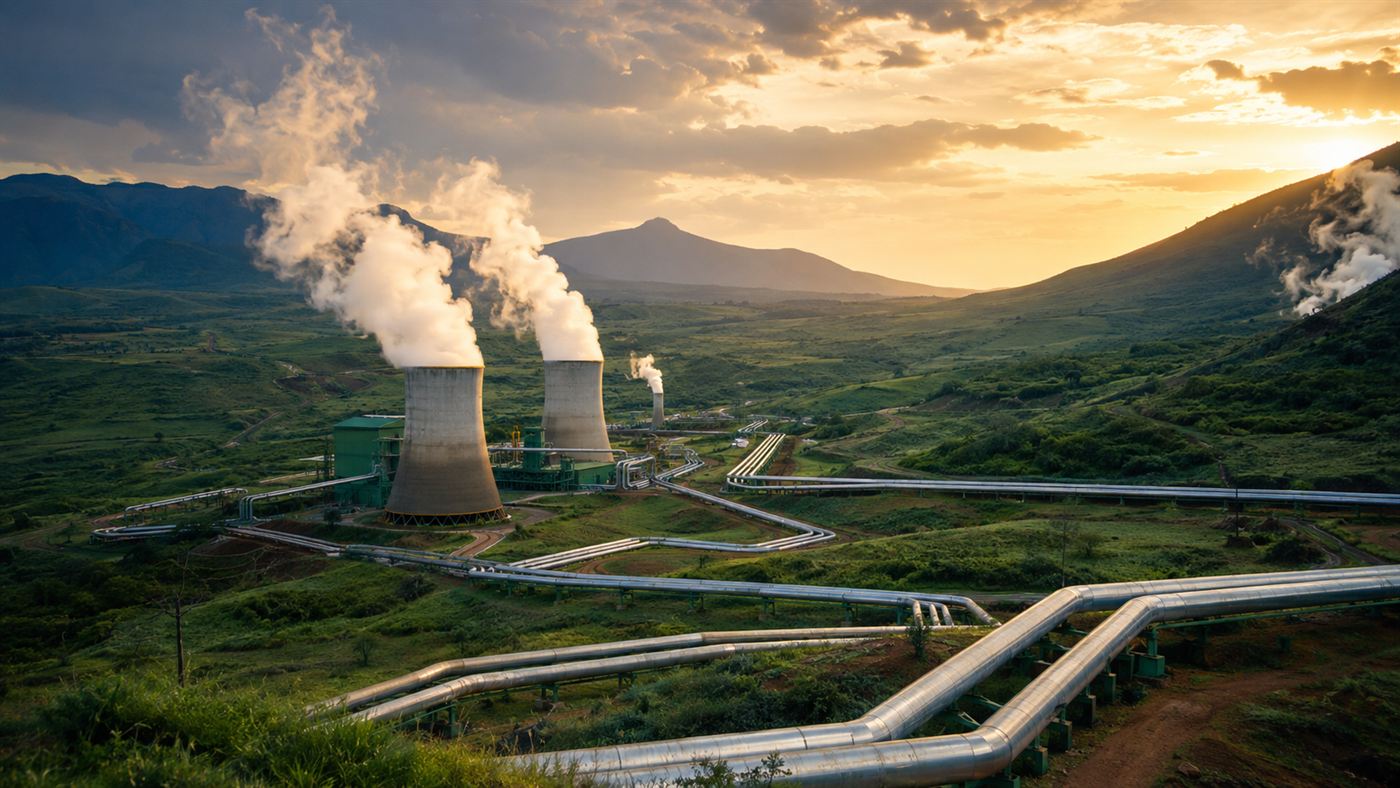
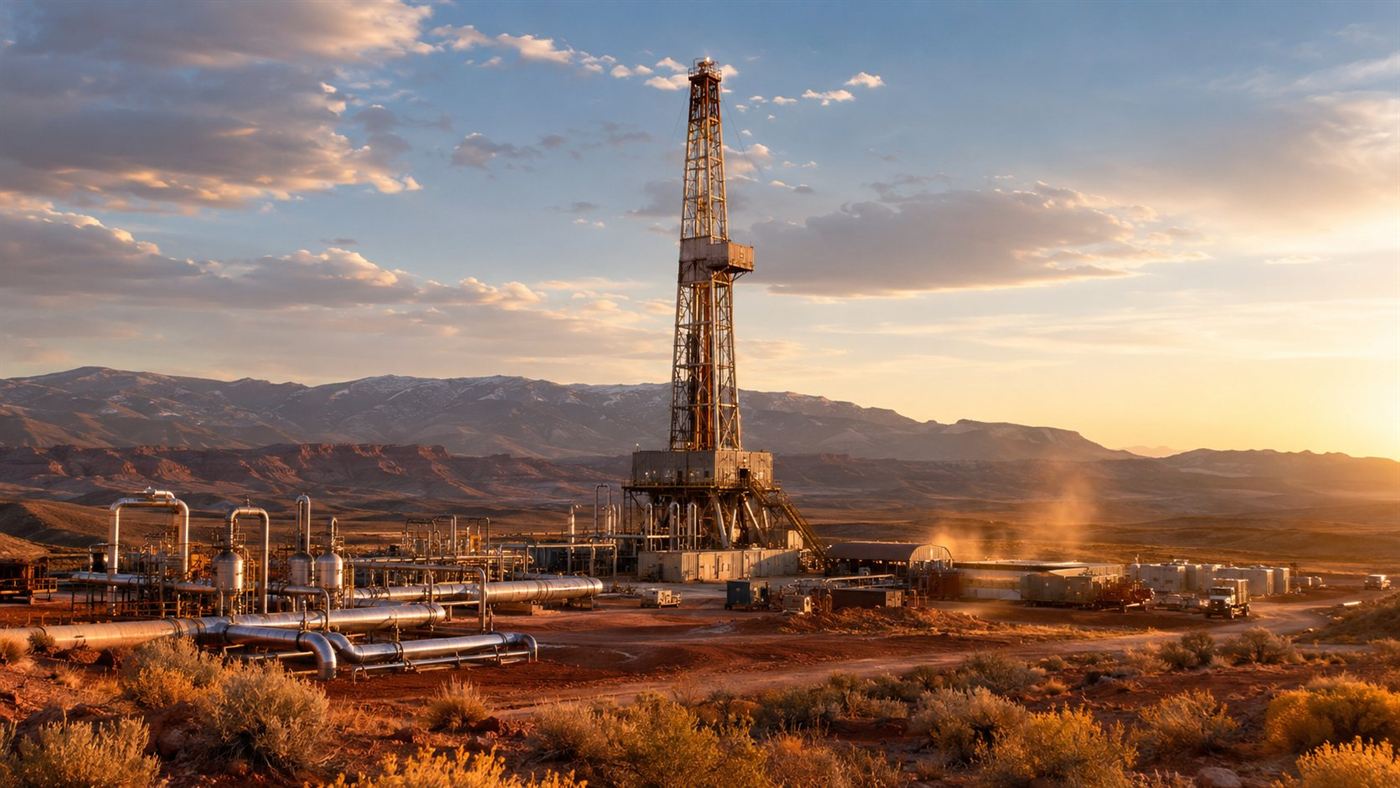
Steam from deep under the Rift Valley spins turbines at Kenya's Olkaria geothermal complex. Illustration: Watts & Wild.
Geothermal energy in Kenya has done something that oil never did for richer nations: it has made the grid almost entirely clean. Nearly half of the country's electricity now comes from steam tapped beneath the volcanic Great Rift Valley, and as the IMF has documented, Kenya draws around 91 percent of its power from renewable sources.
It is a quiet reversal of how energy usually works. The countries that grew rich on coal and oil are now struggling to clean up, while Kenya, which never had much fossil fuel of its own, leapfrogged straight to the heat of the Earth. Most of that power comes from a single place, the Olkaria fields near Lake Naivasha, where the state utility KenGen has drilled into one of the planet's great volcanic rifts.
How does Kenya make geothermal energy? Engineers drill wells up to a few kilometres deep into the Rift Valley, where volcanic heat turns underground water to steam. That steam rushes up the wells and spins turbines, generating electricity day and night, rain or shine, with almost no carbon emissions.
How geothermal energy in Kenya turned the Rift Valley into a power station
The secret is geology.
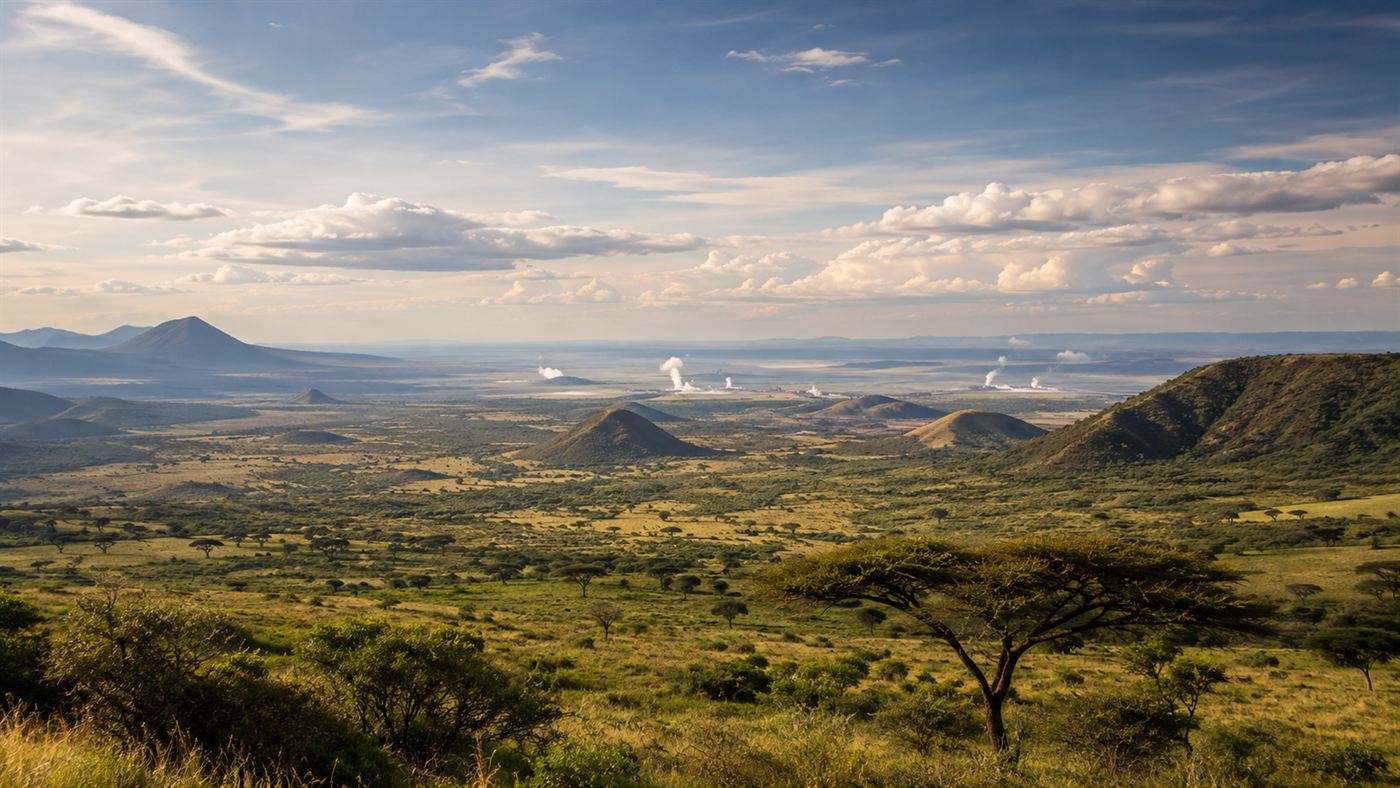
The Great Rift Valley is a place where the Earth's crust is slowly tearing apart, so heat from deep below sits unusually close to the surface.
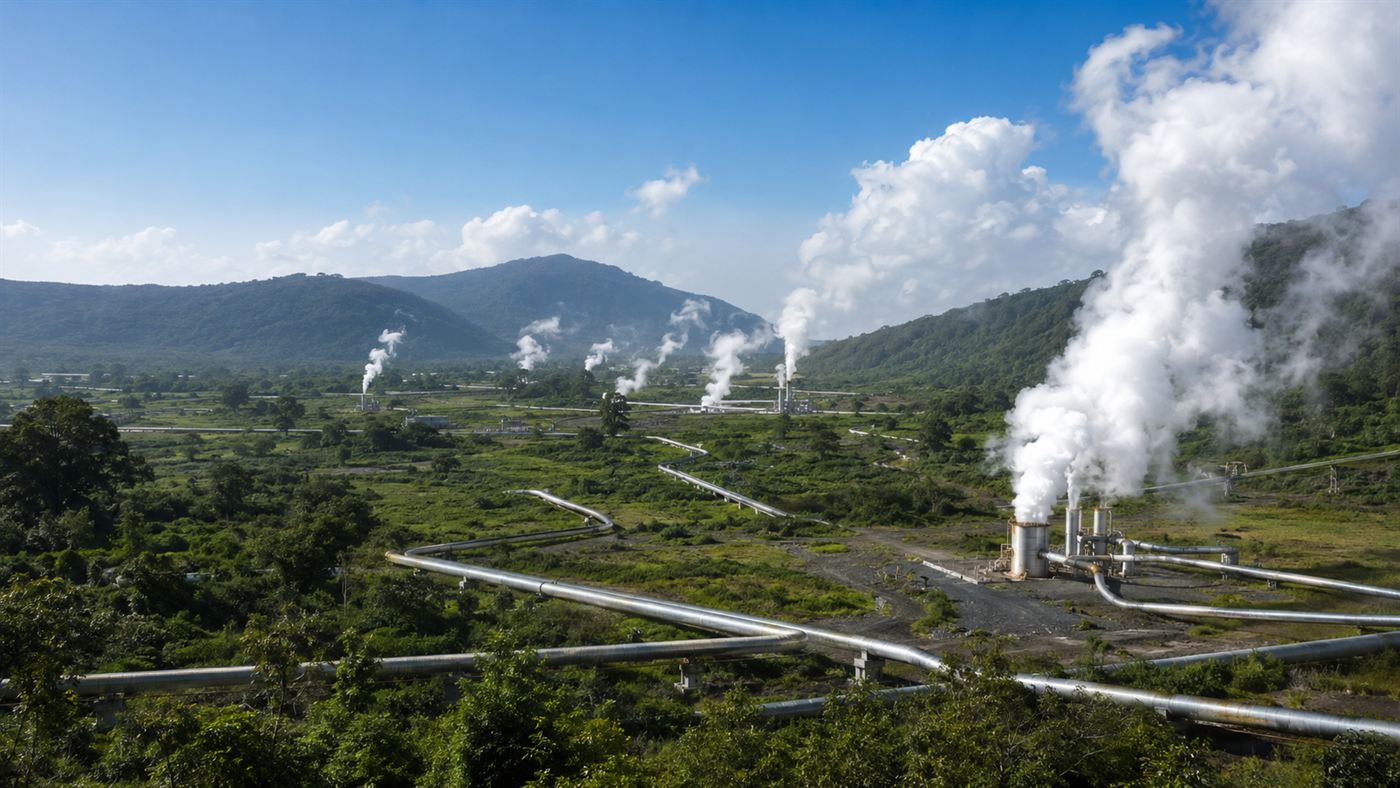
KenGen drills wells into that hot rock, lets the pressurized water flash into steam on the way up, and uses it to drive turbines at the Olkaria complex near Hell's Gate.
Olkaria is now a cluster of large stations, from Olkaria I through V plus a fleet of smaller wellhead units, together making KenGen Africa's biggest geothermal generator.
Unlike solar and wind, this steam never clocks off, which is why geothermal energy can carry the heavy, around-the-clock base load that a national grid needs.
A grid that shames richer nations
The headline number is the one that should make wealthy countries blush.
About 91 percent of Kenya's electricity comes from renewable sources, a share most industrialized nations are nowhere near.
Geothermal energy supplies the largest slice at roughly 47 percent, followed by hydropower at about 30 percent, wind at around 12 percent and solar at just 2 percent.
That makes Kenya's grid cleaner than that of almost any rich country, and it got there not out of luxury but out of necessity, having little coal, oil or gas to fall back on.
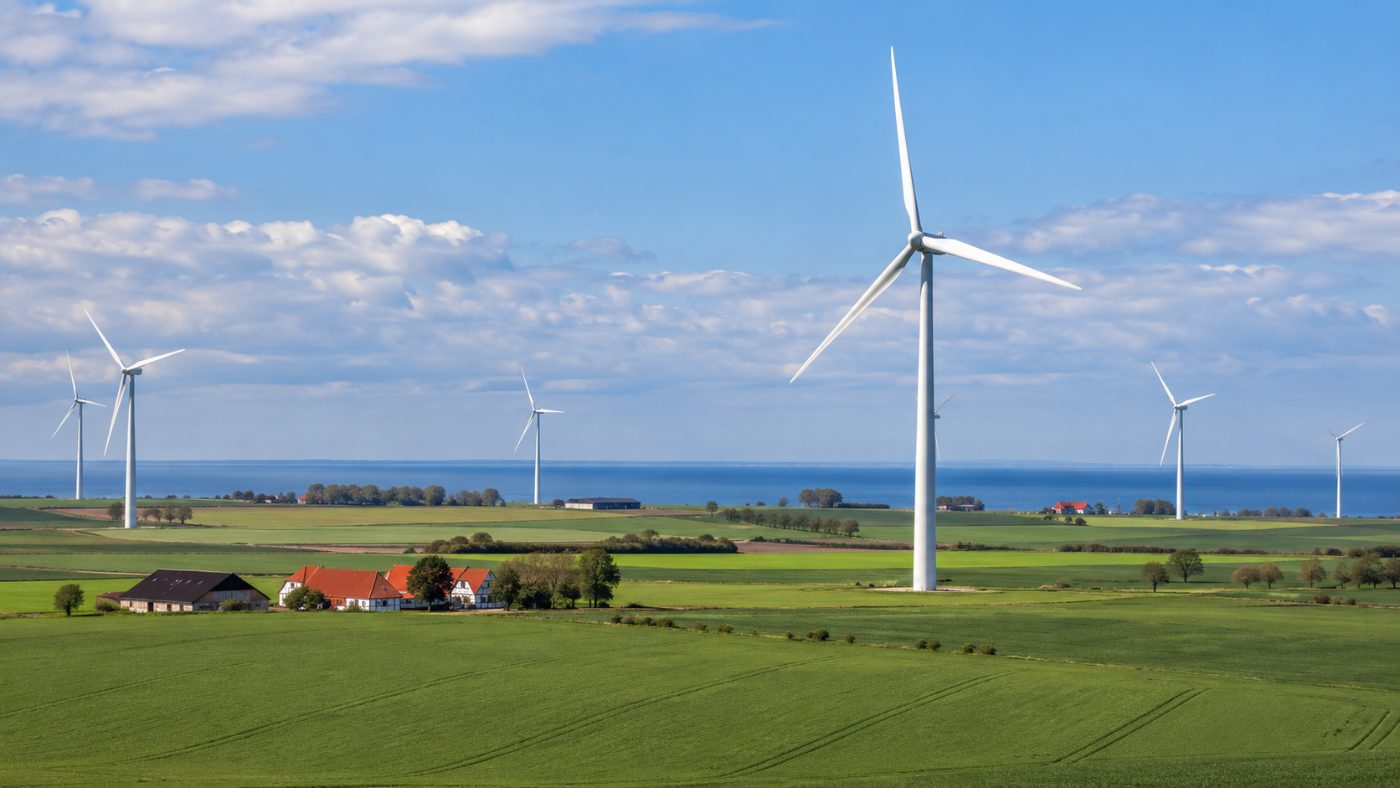
It is the kind of leap that places like the Danish island of Samso, which went fully renewable, managed at village scale, except Kenya has done it for a nation of more than 50 million people.
Steam that builds a city
Kenya is no longer content just to make electricity from the Rift.
KenGen has begun using the steam directly to power what it calls Africa's first geothermal industrial park, where the Earth's heat can dry grain, pasteurize milk or run greenhouses, not just spin a turbine.
New capacity keeps coming, with extra units being added at Olkaria as recently as 2025.
The same volcanic landscape draws tourists to Hell's Gate National Park, so the Rift Valley earns its keep twice over.
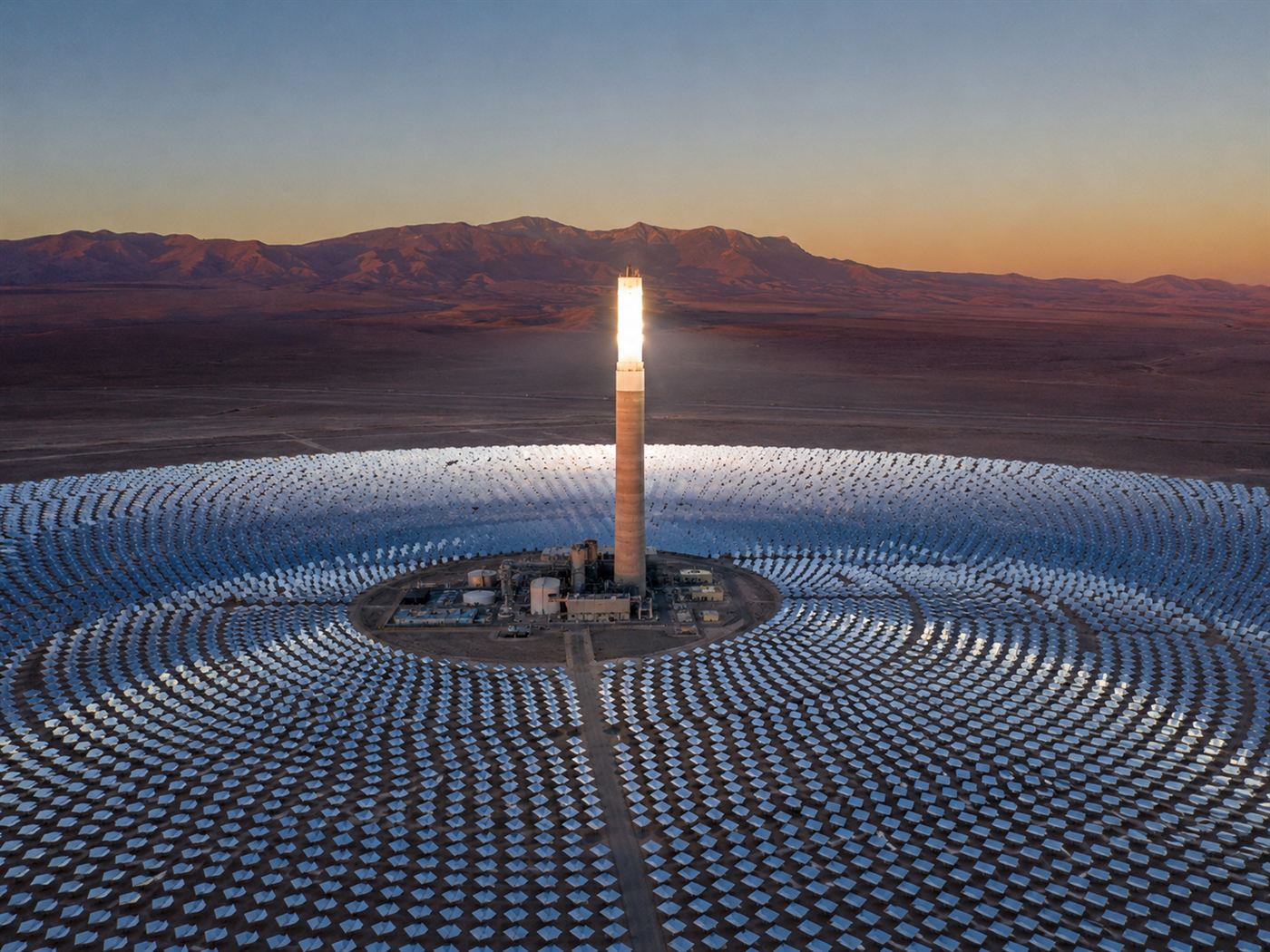
It is a homegrown version of the round-the-clock clean power that projects like Chile's solar tower that runs after dark are chasing with far more complicated machinery.
Why most countries cannot simply copy Kenya
Before anyone declares geothermal the answer everywhere, geology has the final word.
Cheap, powerful geothermal energy needs the right ground, a place like the Rift Valley or Iceland where heat sits close to the surface.
Most of the world does not have that, which is why engineers are trying to force the issue with enhanced systems like Fervo's hot-rock project in Utah, drilling deeper and fracturing rock to make their own underground steam.
Even in Kenya the drilling is expensive and risky, because a well can come up dry after a costly dig.
The honest catch
A clean grid on paper is not the same as clean power for everyone.
The expansion of Olkaria displaced Maasai families from their land, and the resettlement that followed drew complaints that people lost grazing and a fair say in the process.
Leaning on hydropower for nearly a third of the supply also leaves Kenya exposed to drought, which can drain reservoirs and force the country back toward expensive diesel.
And a renewable grid is little comfort to the millions of Kenyans who still have no reliable connection to it at all, especially in rural areas.
The achievement is real, but the work of turning a green grid into power that reaches every home is far from finished.
Kenya did not wait for permission, or for wealth, to clean up its power.
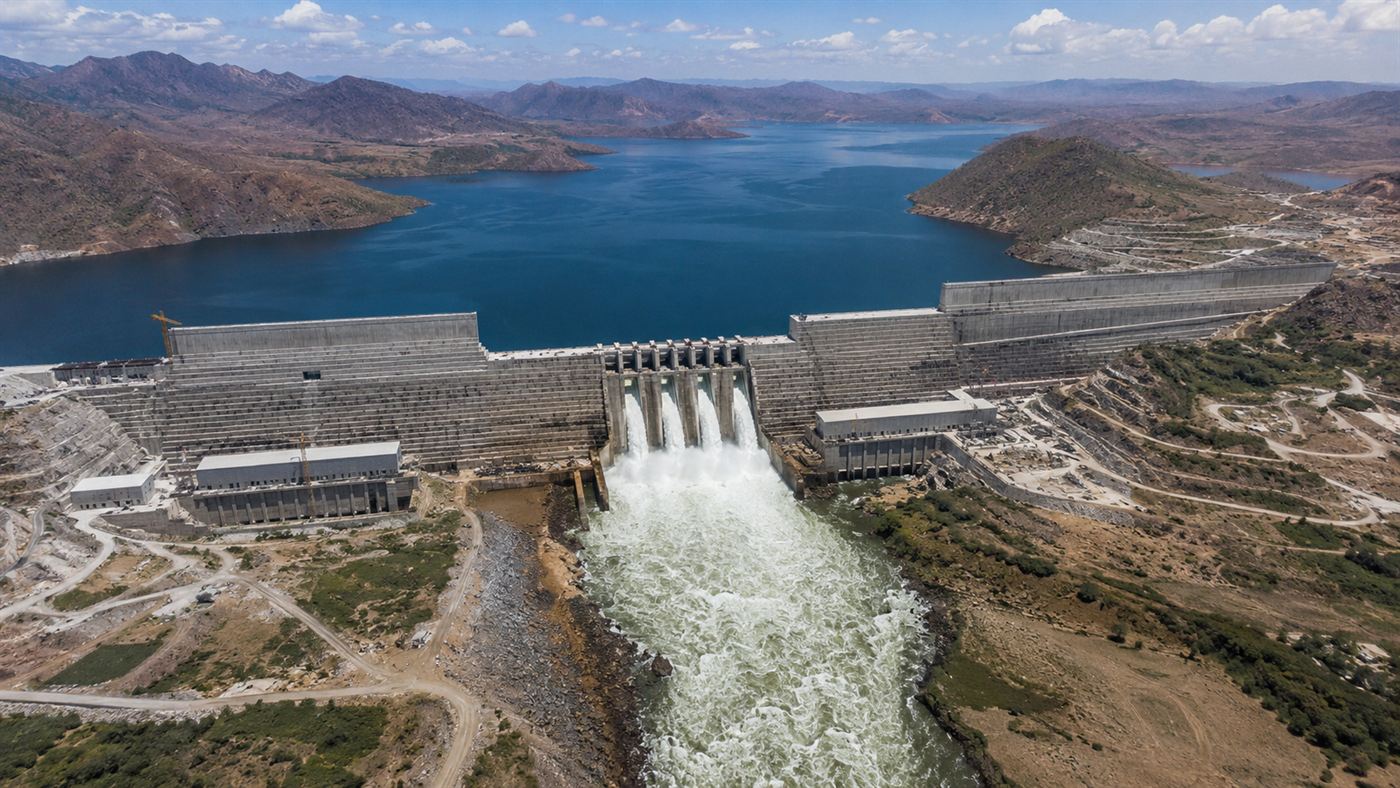
It looked at the steam leaking from its own cracked ground and built a national grid on it, the way Ethiopia bet on water with Africa's largest dam, two African answers to the same hard question.
Should countries that happen to sit on geothermal heat lead the clean-energy charge, and what should the rest of us learn from Kenya doing so much with so little? Tell us in the comments.