A diesel school bus is one of the dirtiest rides of a child's day, so Oakland turned its whole fleet electric, and now those electric school buses double as a giant battery for the grid
Oakland just became the first big US district to send every child to school on an electric bus. The new fleet is quieter, cleaner, and far easier on young lungs. The twist: when the buses are parked, they pour electricity back into the grid. These electric school buses are also a power plant.
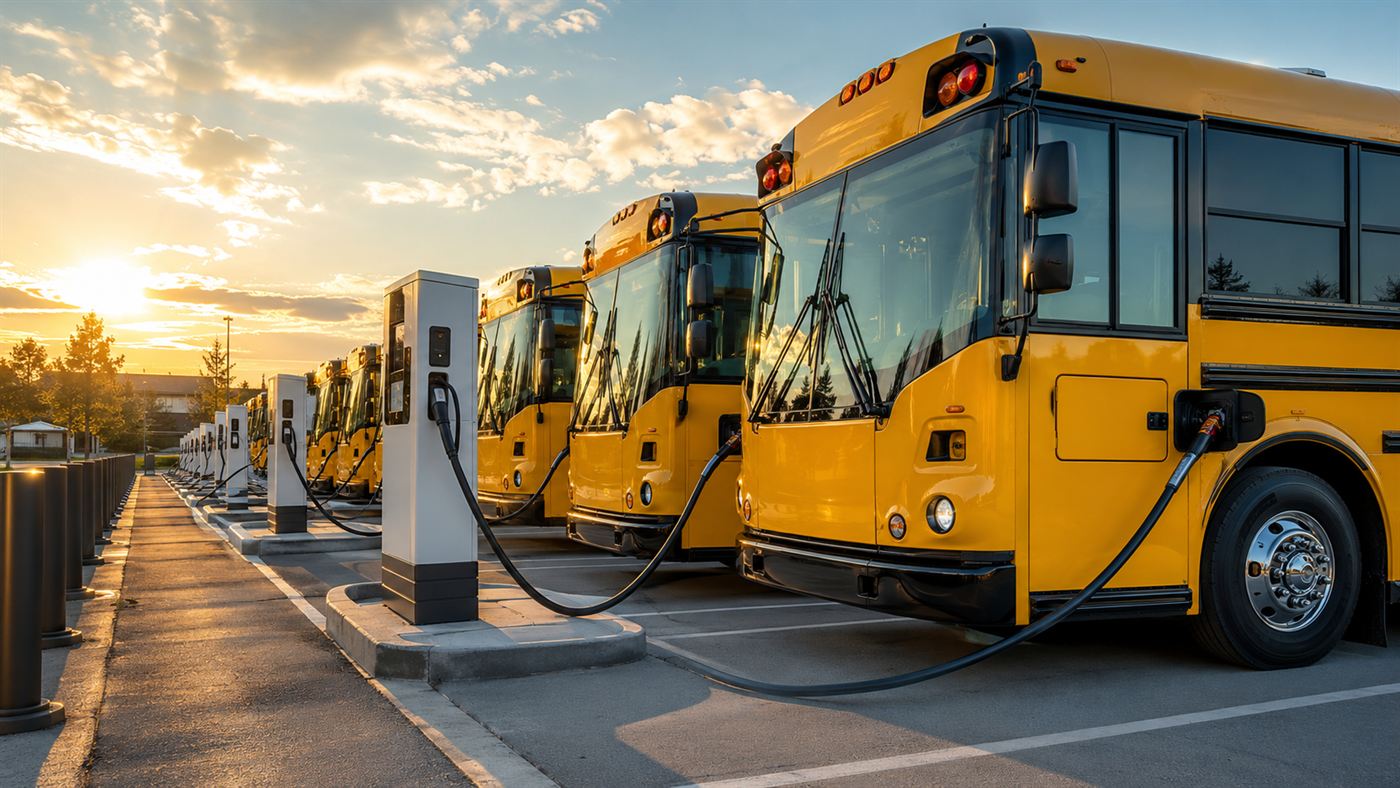
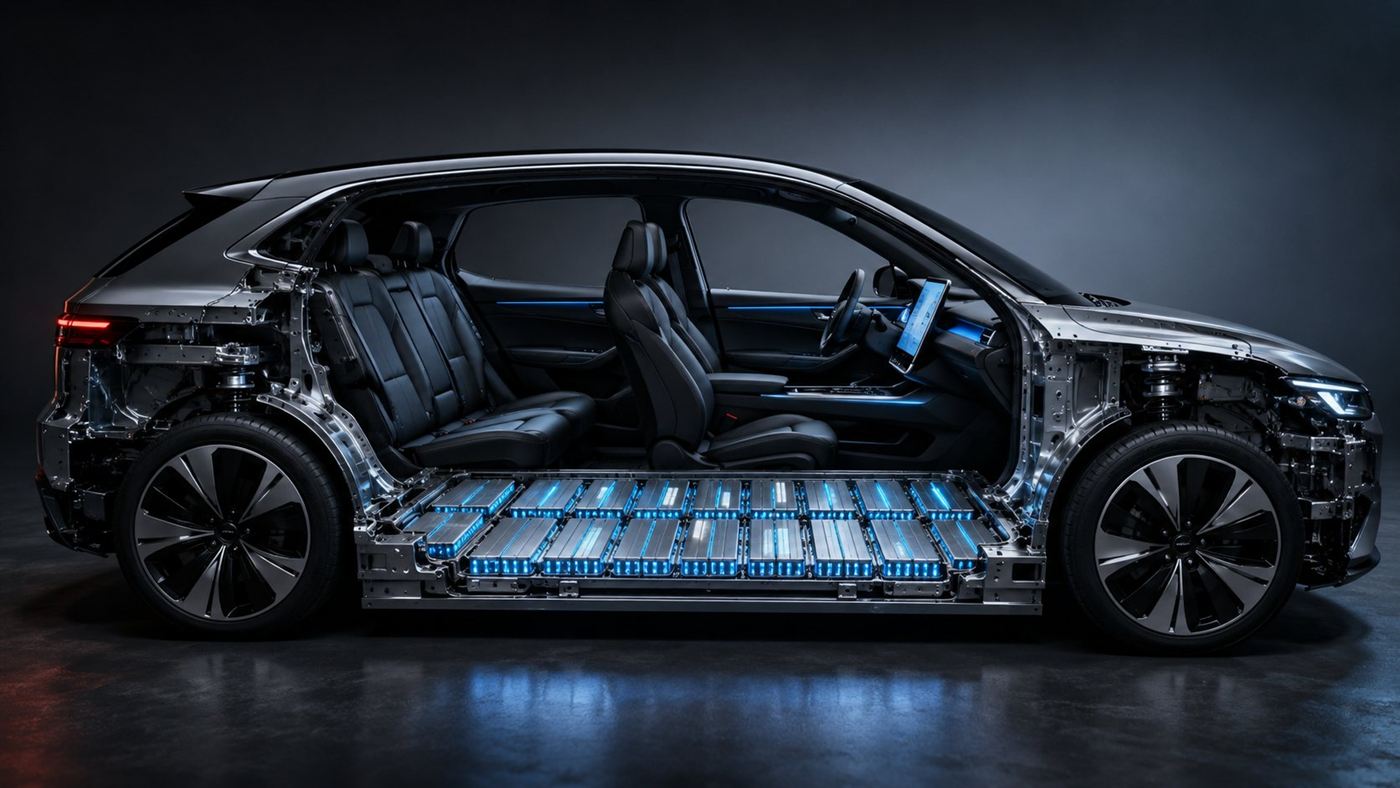
Parked and plugged in, an electric school bus fleet becomes a block of grid storage. Illustration: Watts & Wild.
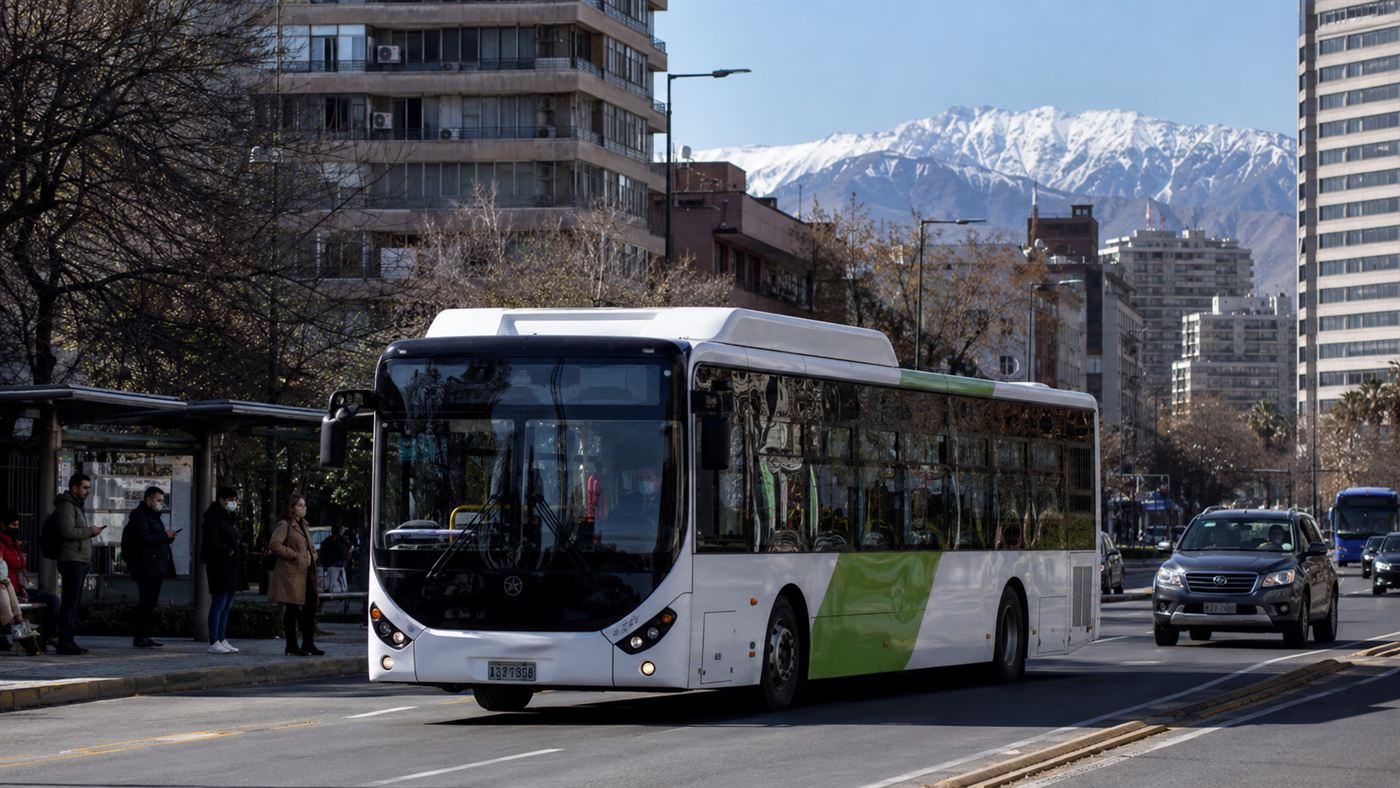
Electric school buses have quietly pulled off something nobody expects of a school bus: they have become a power plant. For the 2024-2025 school year, Oakland, California became the first major US district to run an all-electric school bus fleet, and as Grist reported, the buses double as giant batteries that feed energy back into the grid.
It is a sharp turn for a vehicle that has long been bad news for the children riding inside it. A diesel school bus floods its own cabin with exhaust, and in places like Oakland, where asthma rates run high, that pollution helps keep kids home sick. The new fleet of 74 electric school buses, run by the company Zum with the utility PG&E, flips that story twice over: cleaner air on the way to class, and clean power for the city once the wheels stop.
What is a vehicle-to-grid school bus? It is an electric school bus with a two-way charger, so it can pull power from the grid to charge and push power back when demand is high. A bus sits idle about 16 hours a day and all summer, which turns its big battery into a useful, mostly unused store of energy.
How do electric school buses power the grid?
The trick is vehicle-to-grid, powered by a bidirectional charger that moves electricity both ways.
Overnight and at quiet times the bus charges up, and when the grid is strained the same charger lets it discharge that stored energy back out.
In Oakland each of the 74 buses has one, all of them tied together by an artificial-intelligence system that runs the fleet as a single virtual power plant.
It works because a school bus is one of the laziest vehicles on the road, parked roughly 16 hours a day and idle for the whole summer.
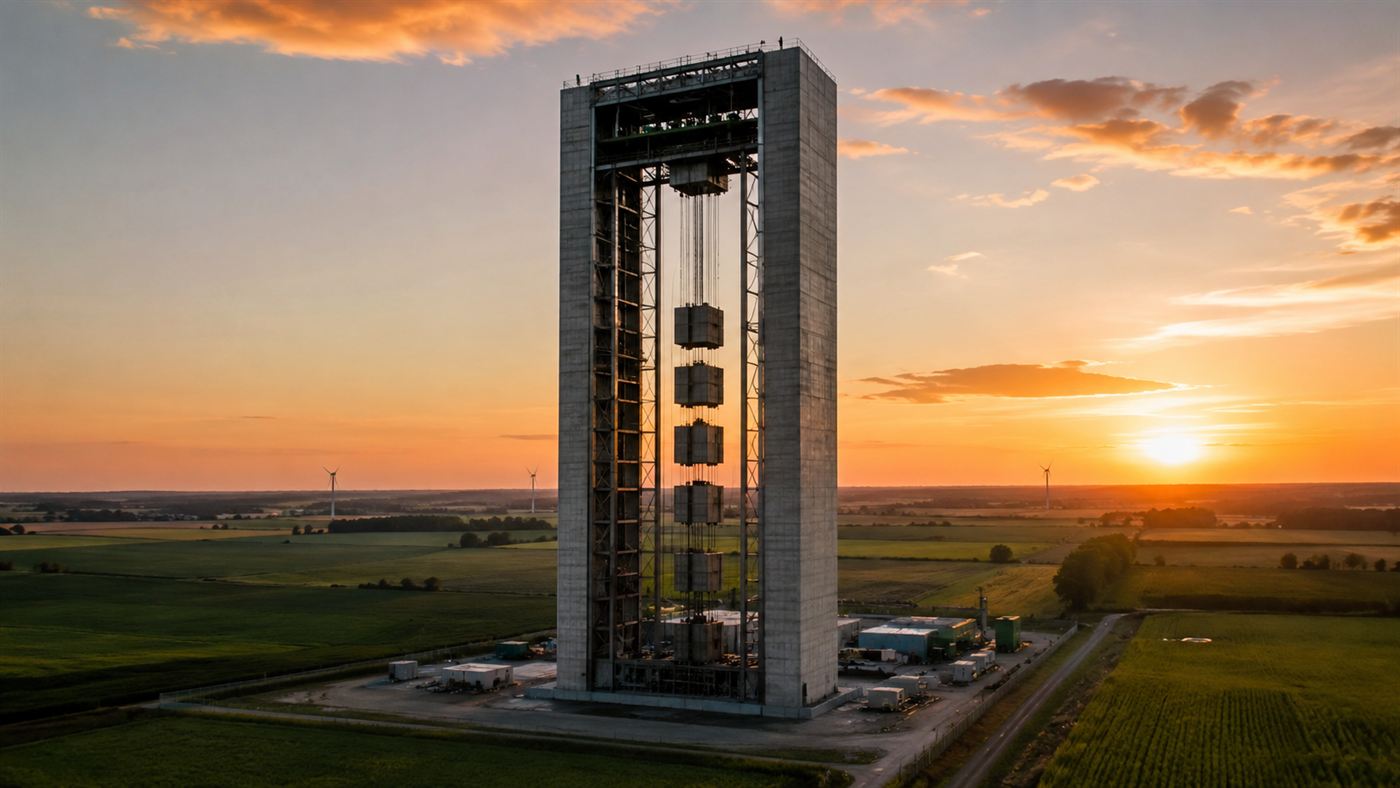
That makes its large battery exactly the kind of dormant storage the grid is desperate for, much like the dedicated gravity batteries being built to bank renewable power.
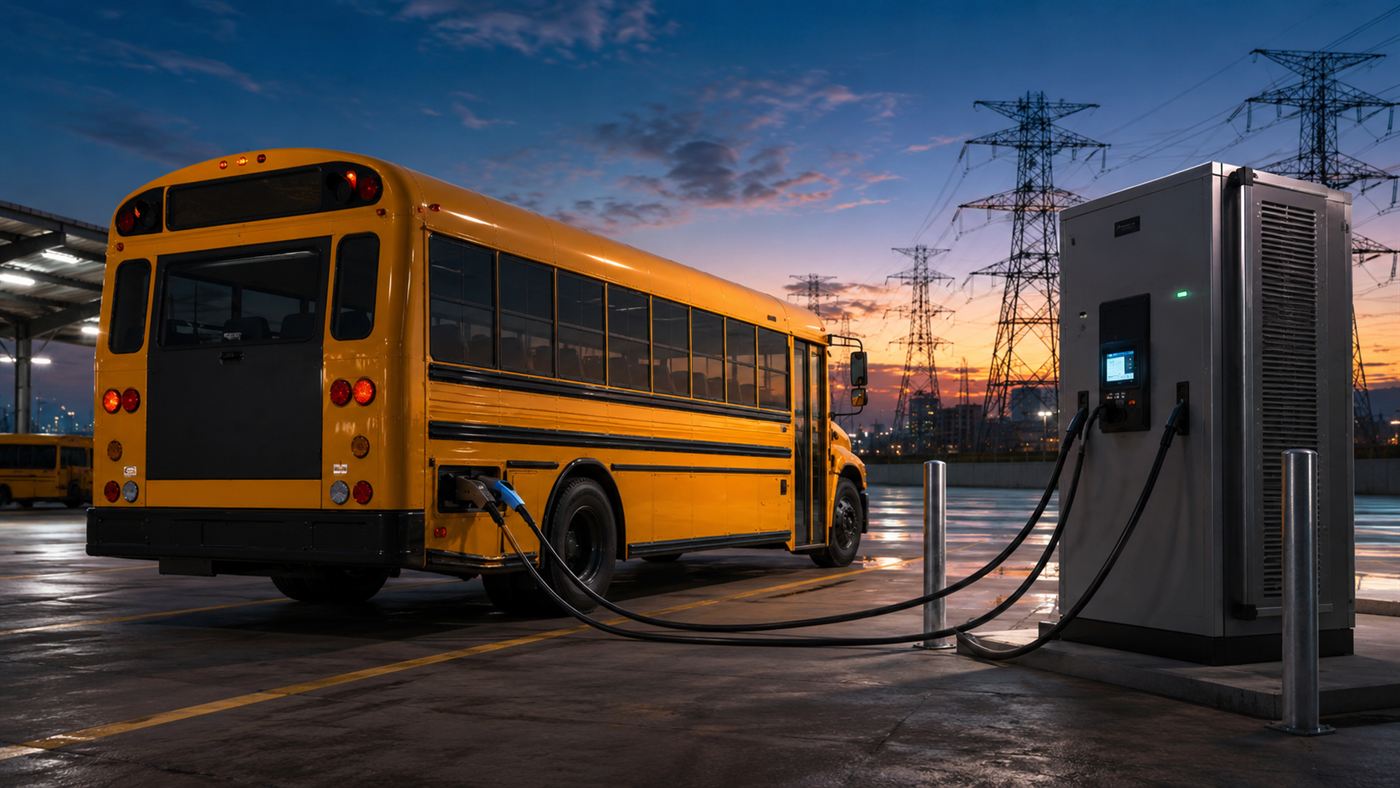
The diesel bus was quietly making kids sick
For all its yellow, friendly image, the old school bus has a dirty secret.
A diesel engine pumps out soot and nitrogen oxides, and the cabin of a diesel bus can carry more of that pollution than the air outside it.
Oakland's families are among those hit hardest, living with some of the highest asthma rates in California, and childhood asthma is a leading reason kids miss school.
Swapping diesel for electric strips that exhaust out of the daily ride and, the district says, will keep roughly 25,000 metric tons of greenhouse gases out of the air.
The quiet matters too, because a child who is not breathing fumes or shouting over an engine arrives at school in better shape to learn.
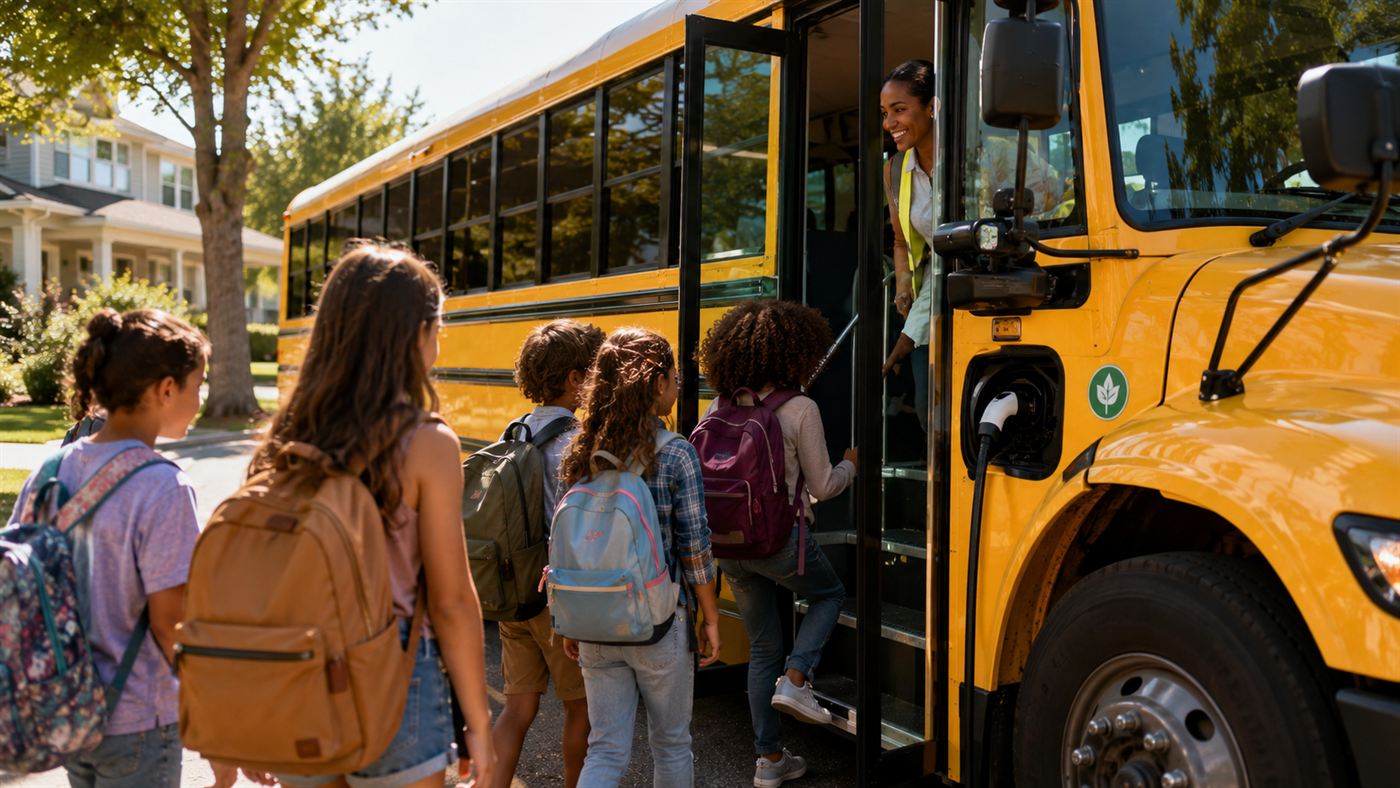
The startup that turned a school run into a power plant
The fleet is run by Zum, a company that manages student transportation for school districts.
Zum was founded by Ritu Narayan, who built the business around the simple promise of getting children to school safely and, now, cleanly.
To pull off the Oakland switch, the company leaned on the local utility, PG&E, which had to wire up the depot to handle both charging the buses and taking their power back.
The result is a quiet role reversal, a school-transport company that moonlights as a grid operator.
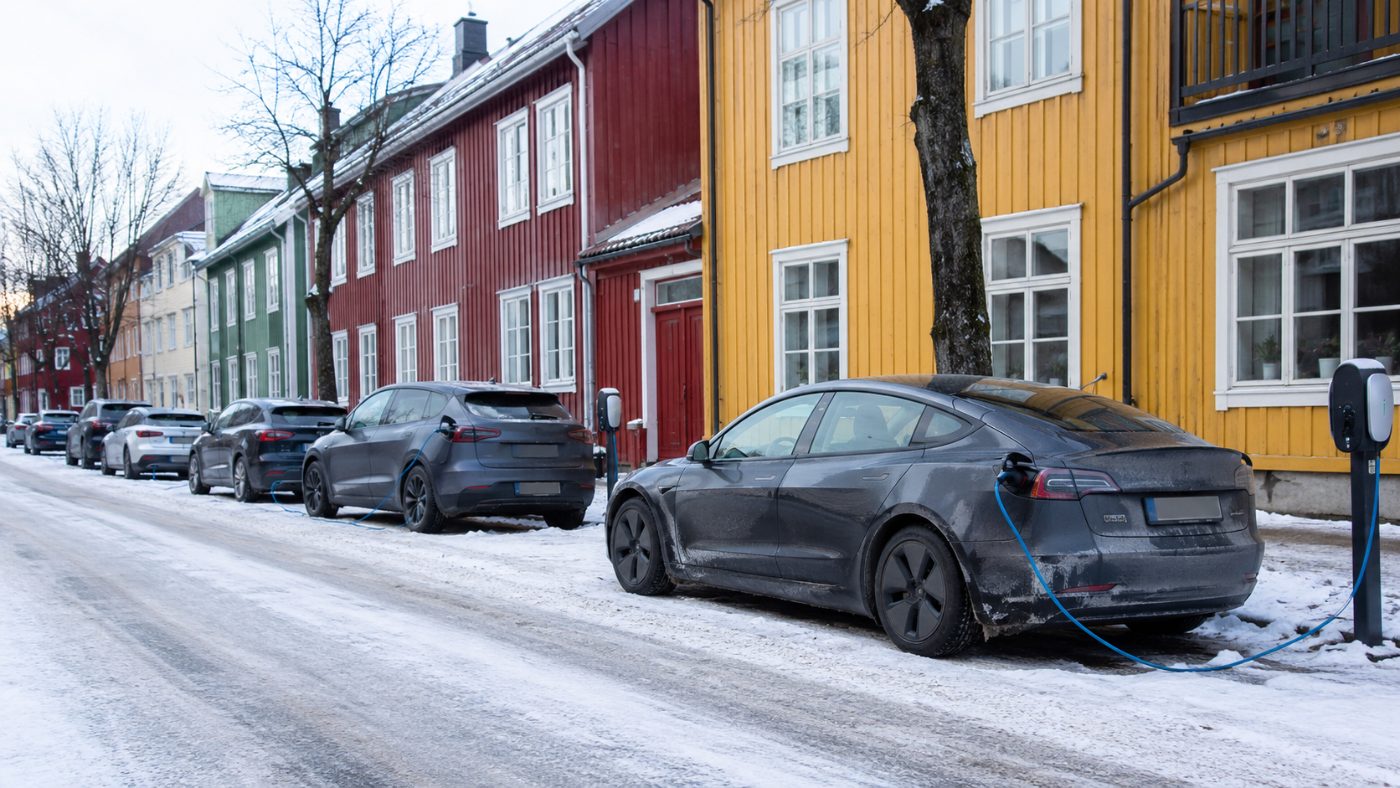
It is the same blurring of lines that has Norway's drivers, the subject of the country that went almost fully electric, plugging their cars into the grid as rolling batteries.
A bus that earns its keep
The money is what makes the idea spread.
Because the buses sit unused for most of the day, a district can sell their stored power back at the moments the grid will pay most for it, like a summer heat wave.
In Beverly, Massachusetts, just two electric buses sent more than 10 megawatt-hours back to the grid over a single summer, across 32 separate events, roughly enough to power 800 homes for a day.
Scale that to a national fleet of nearly half a million electric school buses and the parked batteries start to look like serious infrastructure.
The honest catch
None of this is free, and the price tag is the first hurdle.
An electric school bus can cost three to four times what a diesel one does, which is why most fleets so far lean heavily on federal subsidies like the EPA's multibillion-dollar Clean School Bus program.
Vehicle-to-grid is also still mostly in pilots, and squeezing real money from it needs two-way chargers, utility cooperation and clever software all working together.
Cold weather and hilly routes shorten the range, the batteries fade over many years, and a bus busy hauling kids cannot be feeding the grid at the same time, the same range-and-battery trade-offs that shape every electric vehicle.
If the subsidies dry up before the buses are cheap enough to stand on their own, the rollout could stall well short of that half-million-bus dream.
The humble yellow bus, for a century a symbol of childhood and a source of its asthma, is being asked to do two new jobs at once.
It carries kids through cleaner air by day and helps hold up the power grid by night, and the children who ride it may be the first to grow up never breathing diesel on the way to school.
Would you want your child's school bus feeding the grid, and is turning idle vehicles into batteries the smartest fix for clean power, or a distraction? Tell us in the comments.