A Canadian town banked summer sunshine underground all year and used it to heat 52 homes through brutal winters, almost without fuel
Alberta winters are no joke; the temperature can crash to minus 30. So it sounds impossible that a neighbourhood there heats itself almost entirely on sunshine. The trick behind the Drake Landing Solar Community is that it does not use the winter sun at all. It saves up the summer sun, stores it deep in the ground, and spends it in January.
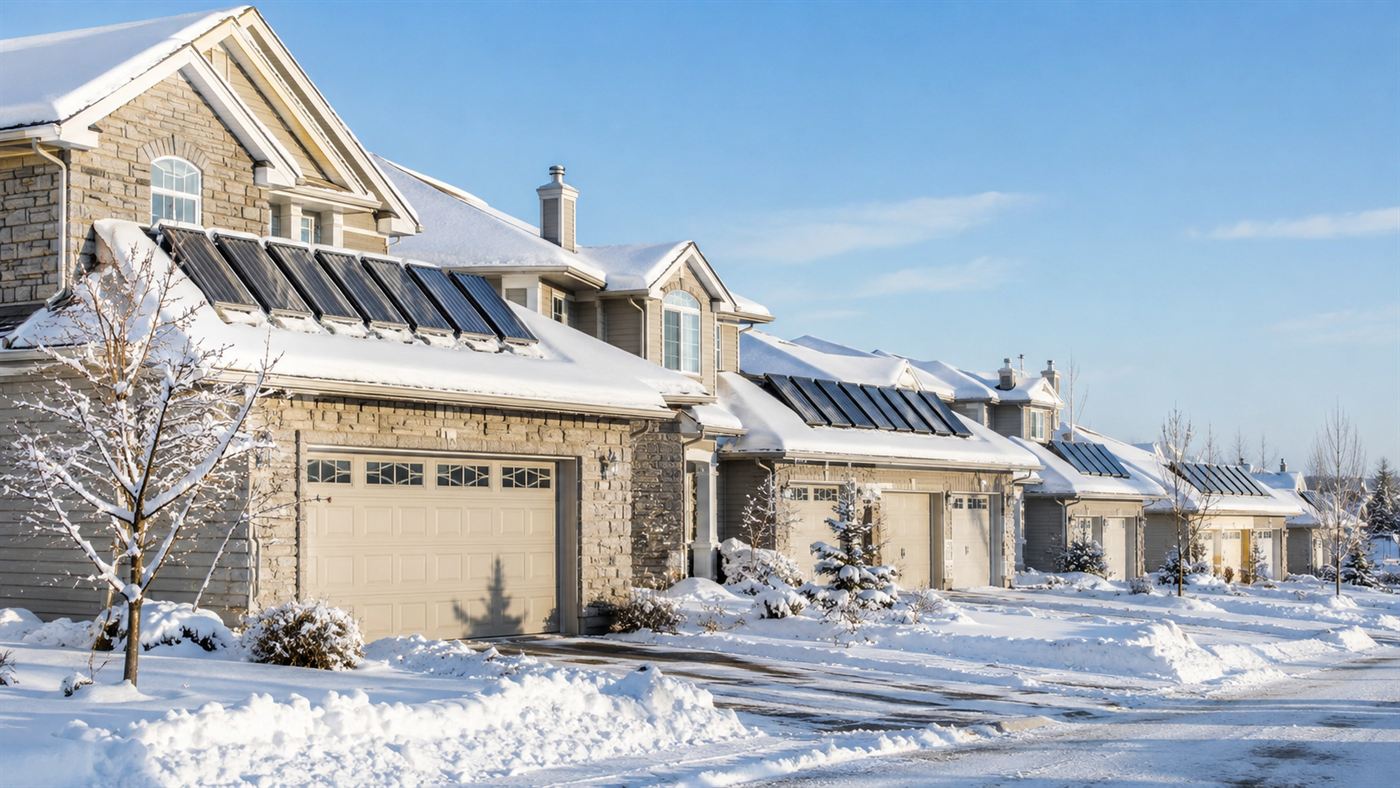
The Drake Landing Solar Community in Okotoks, Alberta, heats its homes on stored summer sun. Illustration: Watts & Wild.
The community sits in Okotoks, a town just south of Calgary, and it opened in 2007 as a bold experiment in something called seasonal solar storage. As the documented record describes, it was the first project of its kind in North America, built to test whether you could realistically run a cold-climate neighbourhood on solar heat captured months earlier.
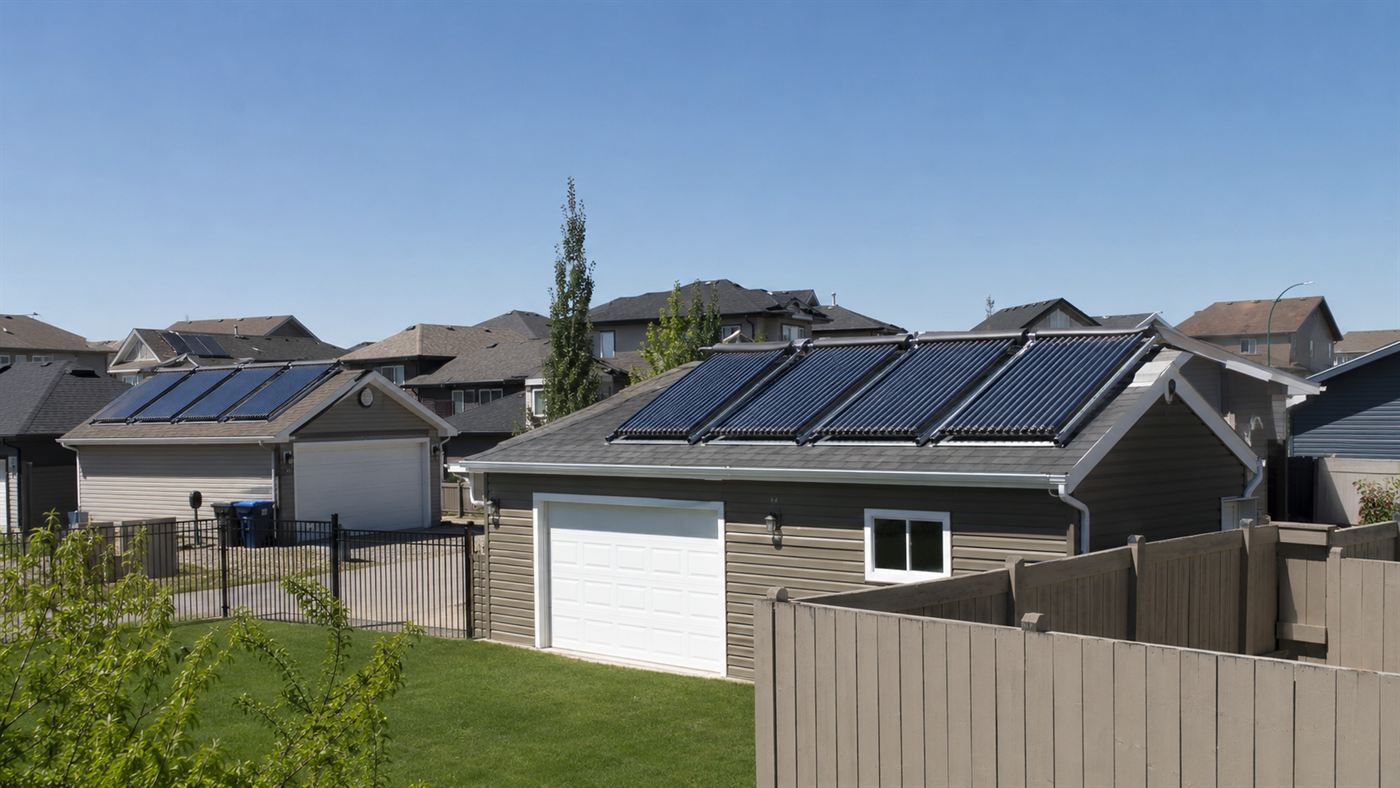
The setup is wonderfully simple in principle. 800 solar thermal collectors sit on the roofs of the homes' garages, and on a good summer day they soak up around 1.5 megawatts of heat from the sun. That heat warms a fluid, and instead of being used right away, most of it is sent somewhere unexpected: straight down into the earth.
How the Drake Landing Solar Community stores summer
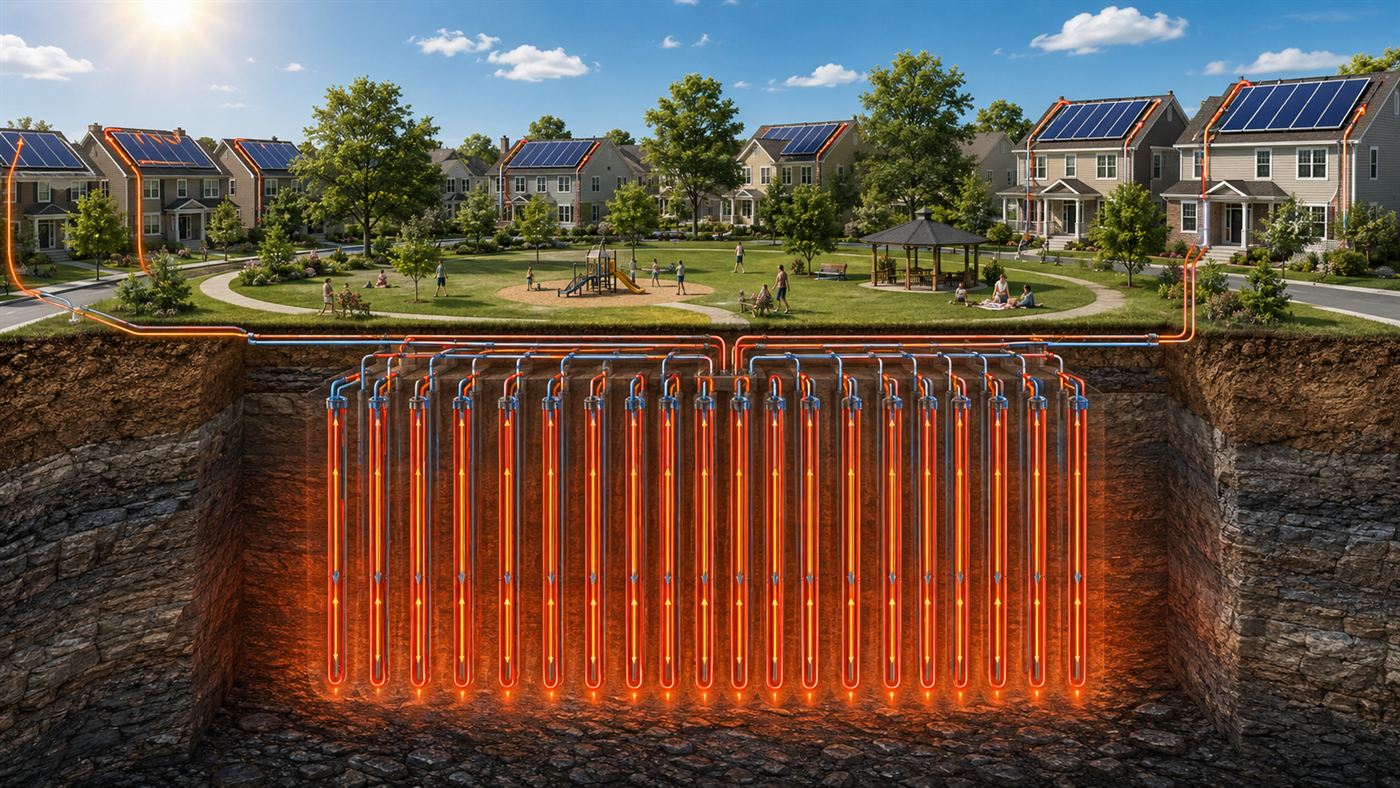
Under a corner of the neighbourhood park sits the clever bit, a field of 144 boreholes drilled deep into the soil and rock. Warm fluid is circulated through them all summer, and slowly the ground itself heats up, turning a big underground block of earth into a giant, slow-charging thermal battery. By the end of the warm season, the rock down there is genuinely hot.
Then winter comes and the process runs in reverse. The system pulls that stored warmth back out of the ground and pipes it to the houses, topping up their heating through the coldest months. It is a thermal piggy bank: fill it with sunshine in July, withdraw the heat in January, and let the brutal Alberta cold do its worst.
The record nobody expected
It worked far better than even its designers hoped. As CBC News reported, the community ended up meeting more than 90% of its space heating with solar, and in its best year reached around 97%, a level of solar heating no one had ever achieved before in a climate this cold. For most of the winter, the families living there were warmed by sunshine that had fallen the previous summer.
It helped that the 52 houses were built to a high standard of insulation from the start, so they did not waste the heat they were given. But the headline still stands: a normal-looking suburban street in one of the chilliest parts of Canada quietly ran its heating on the sun, year-round, by treating the ground as a battery.
The honest catch
It would be easy to read this as a finished answer to home heating, and it is not, quite. Drake Landing was a publicly backed demonstration project, designed to prove a concept rather than to turn a profit, and the up-front cost of all those collectors and boreholes was high. It works beautifully at the scale of one well-planned, well-insulated neighbourhood, but copying it across a whole city is a far bigger and pricier proposition. After well over a decade of doing its job, the demonstration eventually wound down, having shown what it set out to show. None of that undoes the achievement, though. It proved that the heat we waste every summer can be saved in the ground and spent in the depths of winter, even at minus 30, which is a genuinely radical idea about how to keep warm. It sits with the other clever ways of stockpiling energy for when it is needed, from Finland's giant sand battery to an iron-air battery that holds a charge for 100 hours.
A quiet Canadian cul-de-sac proved you can heat your home in the dead of winter with sunshine you caught six months earlier. Should storing summer heat underground be a standard feature of cold-climate towns, or is it too costly to scale? Tell us what you think in the comments.
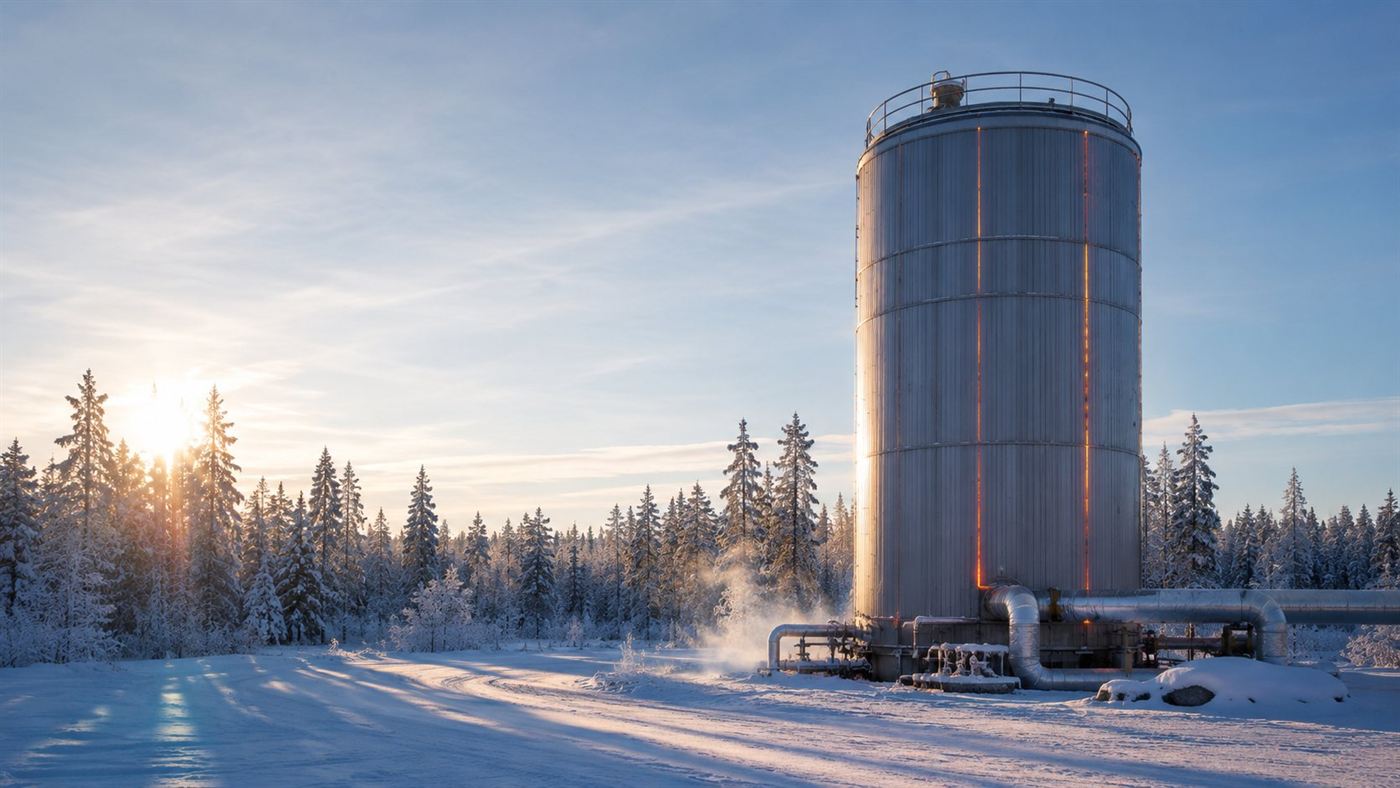
Related reading: Finland's giant sand battery, which stores green energy as heat in a silo of sand.