After years of hype, small nuclear reactors are finally being poured in concrete rather than slideshows
For a decade, the small nuclear reactor was a favourite promise of energy conferences and almost nothing else. In 2026 that changed. Small modular reactors began crossing the line from glossy design to actual construction, the idea being a power plant you build in a factory and ship on a truck, and the reason is a sudden, ravenous hunger for electricity.
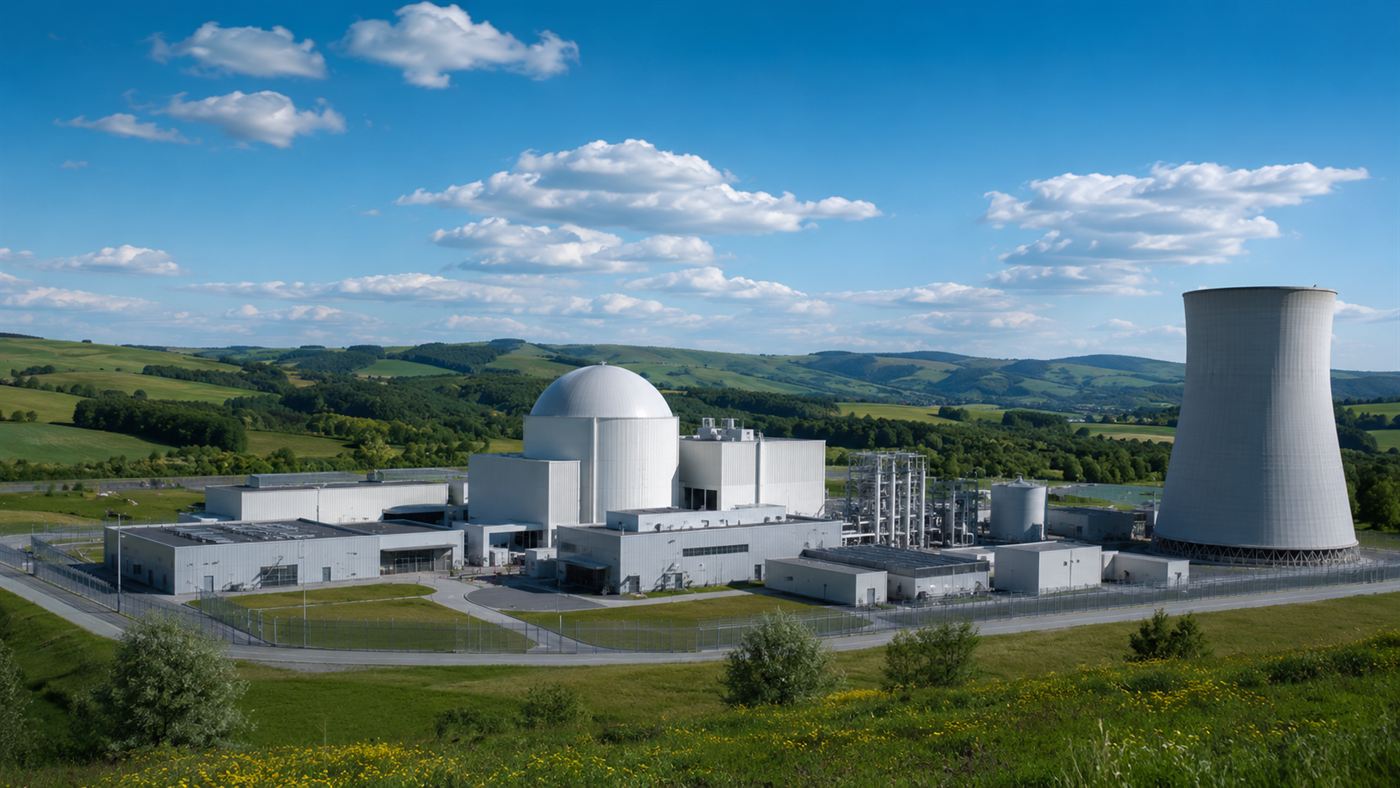
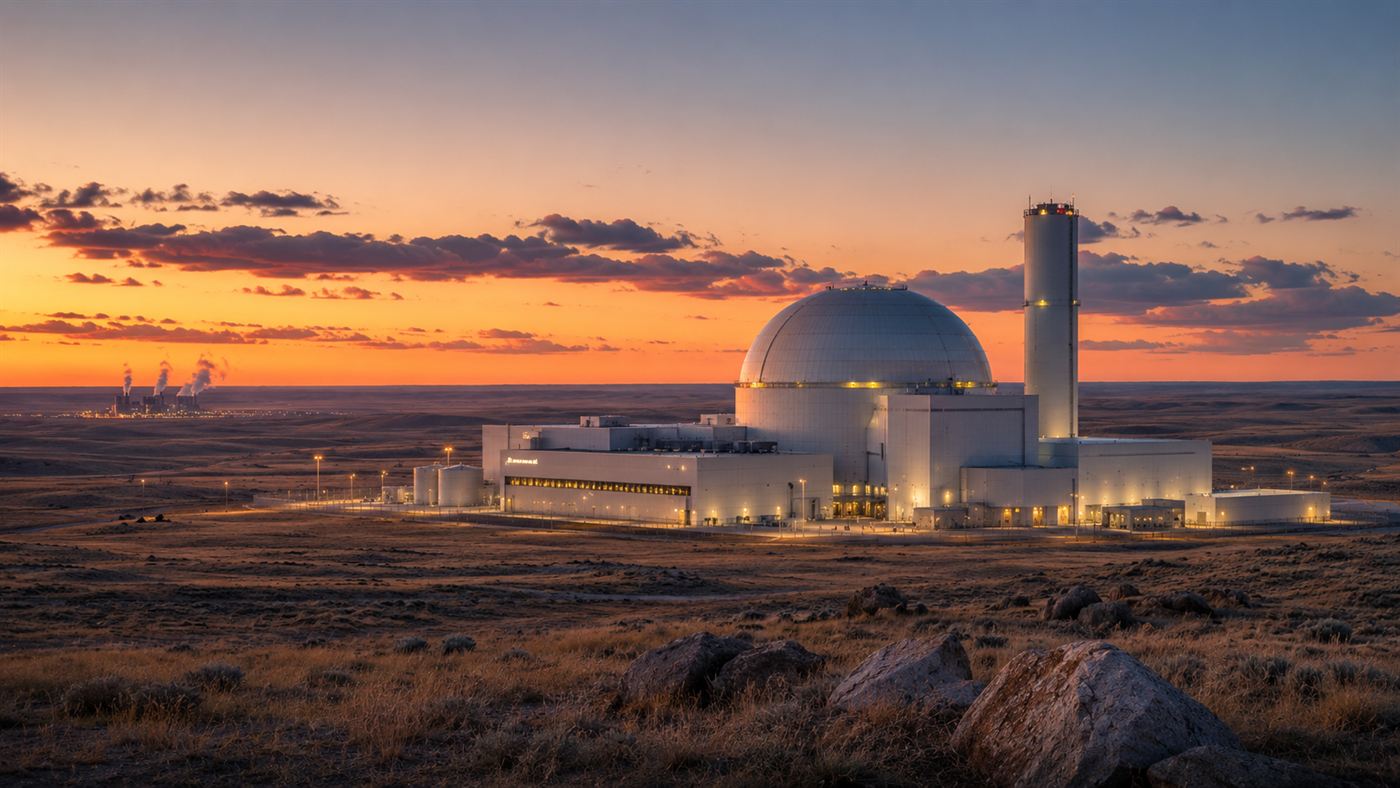
Small modular reactors are meant to be compact, factory-built and far quicker to deploy than giant plants. Illustration: Watts & Wild.
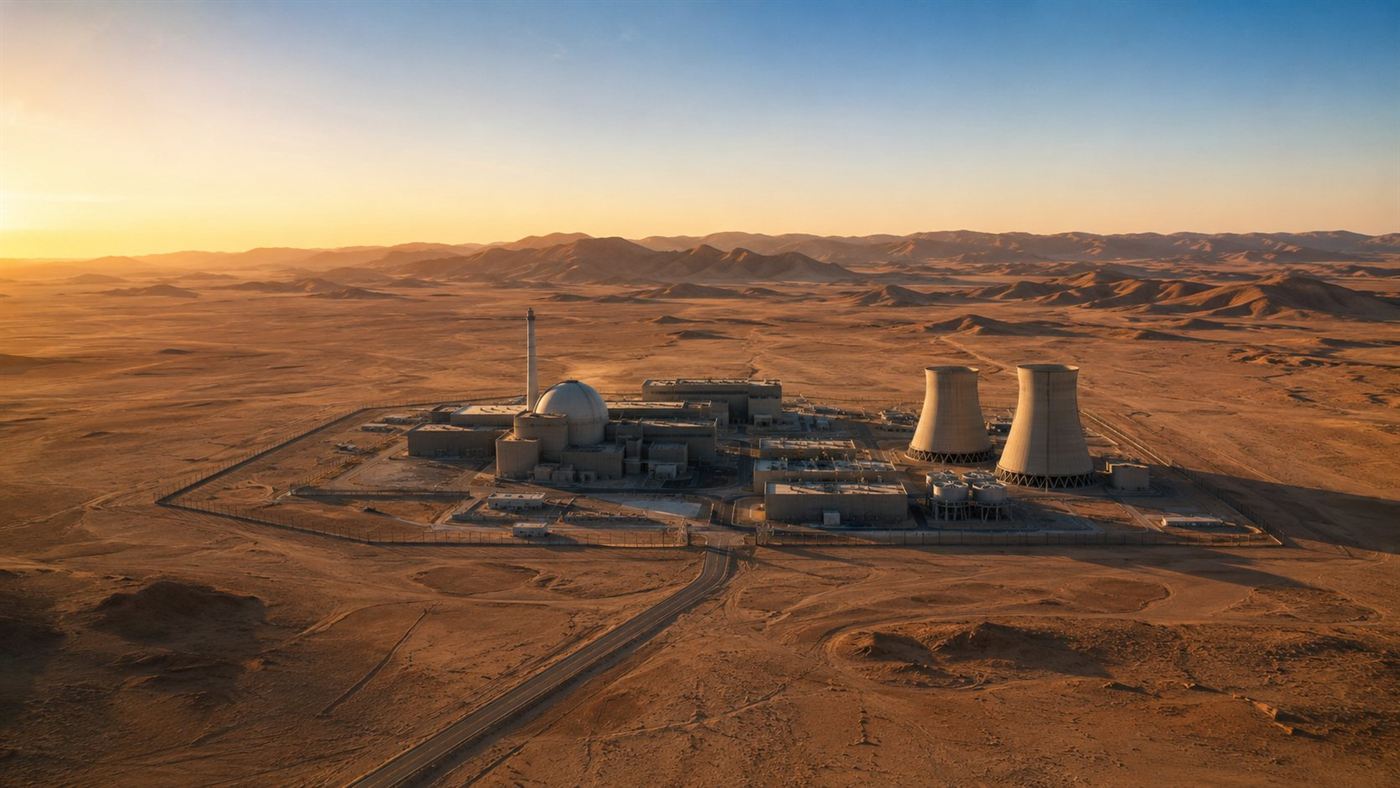
The milestones came in a rush. NuScale won United States regulatory approval for an uprated version of its design, one of only a couple ever cleared in the country. GE Vernova Hitachi's BWRX-300 became the first small reactor of its kind under construction in North America, rising at Darlington in Ontario. And TerraPower, the venture backed by Bill Gates, secured a construction permit for its Natrium plant in Kemmerer, Wyoming.
Governments piled in behind the technology. The United States struck a roughly 40-billion-dollar partnership with Japan to deploy these reactors in Tennessee and Alabama, and a federal pilot program set the bold goal of getting several new reactors to first criticality within the year. After so long as a paper dream, this was the year the shovels actually went in.
The short version is that small nuclear stopped being a pitch and started being a building site, and 2026 is when the concrete finally started to pour.
What small modular reactors actually are
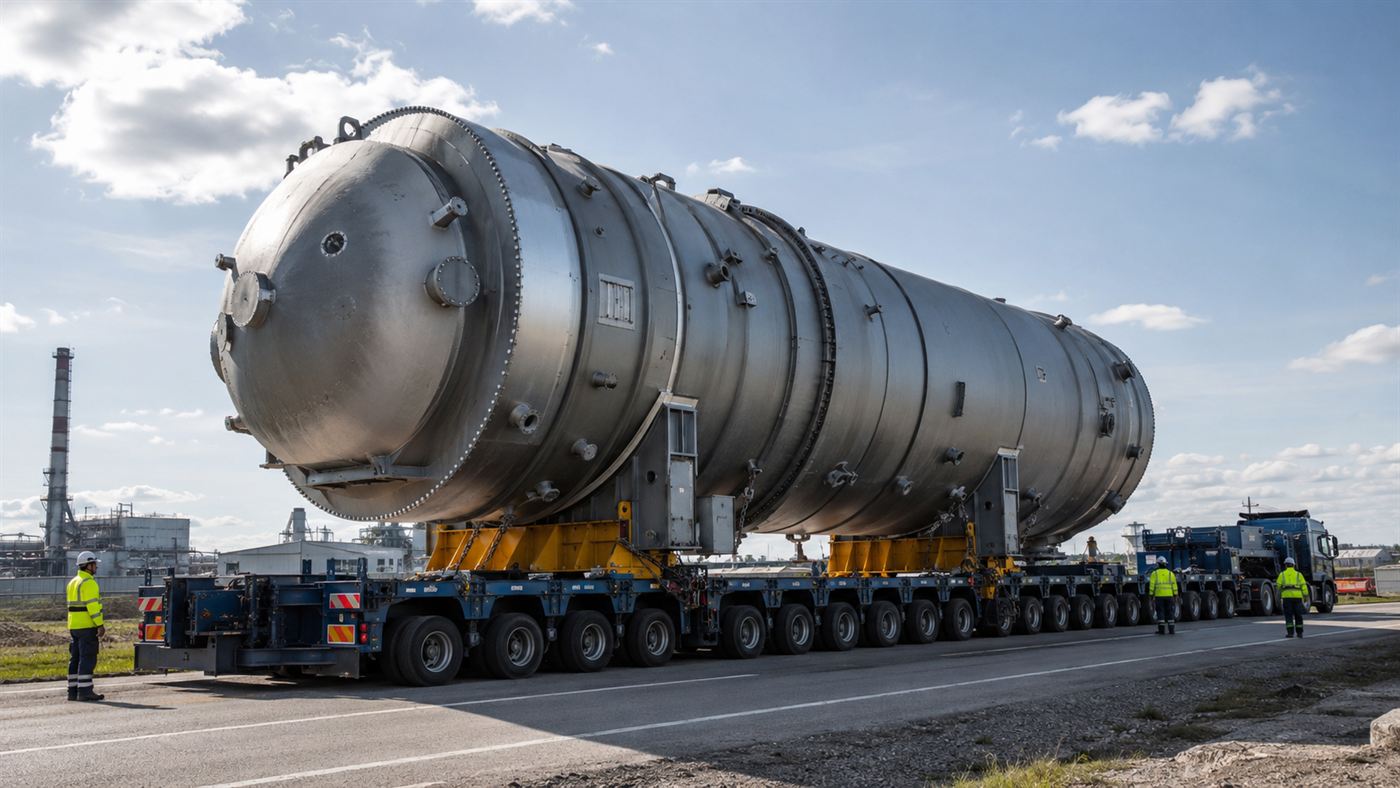
A traditional nuclear plant is a colossal, one-of-a-kind construction project, built on site over many years, and that complexity is a big part of why such plants so often run late and wildly over budget. Small modular reactors flip the model. They are smaller, standardised and, in theory, cheaper, each one a compact unit of a few hundred megawatts or less, meant to be churned out in a factory as identical modules.
Those modules can then be trucked or shipped to a site and slotted together, adding capacity in bites rather than in one giant gamble. It is essentially the same idea that made cars affordable, applied to atoms: build many of the same thing on an assembly line, and let repetition drive down the cost and the risk that has long haunted the industry.
Why the rush is happening now
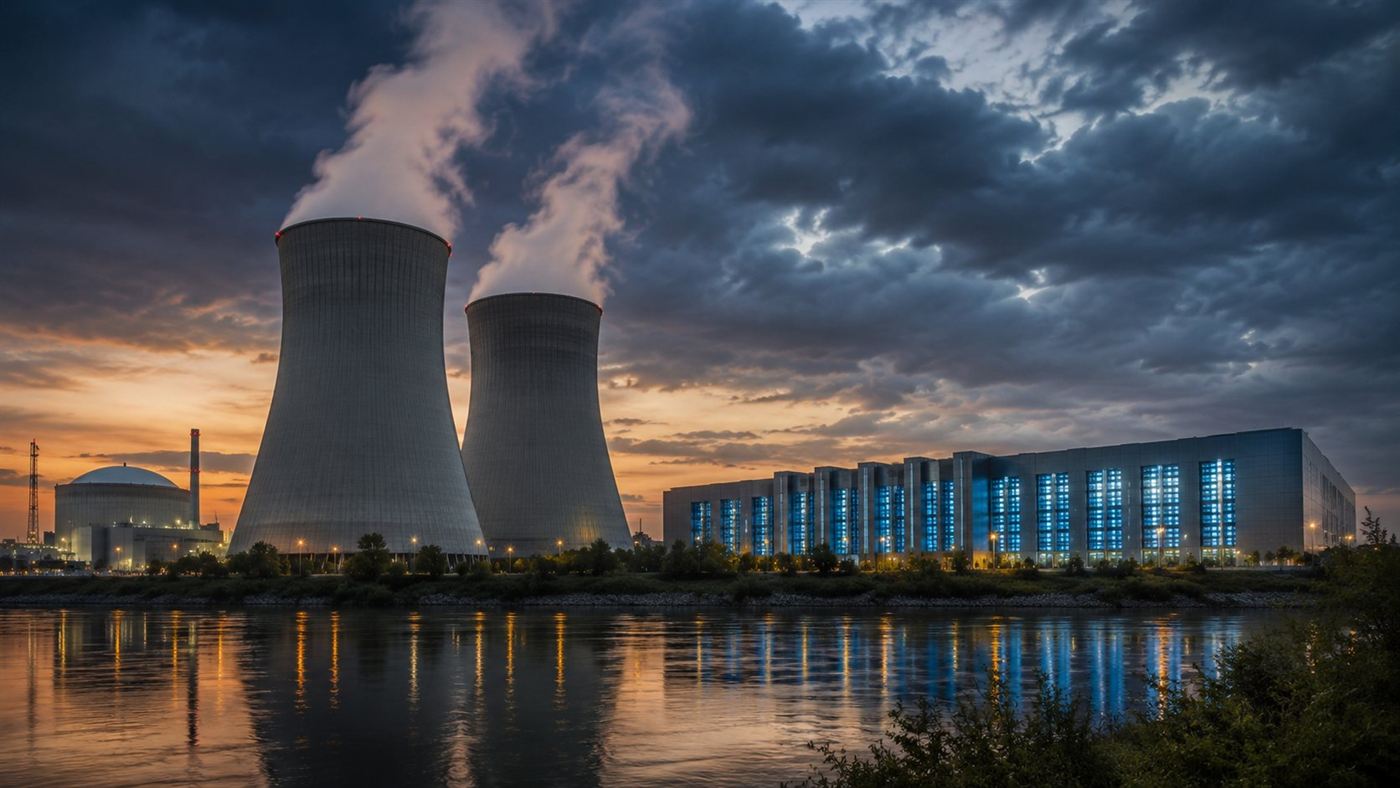
The timing is no accident. Electricity demand, flat for years, is climbing again, and one of the loudest new customers is the data center. The vast computing halls that train and run artificial intelligence devour power around the clock, and their owners want a supply that is steady, carbon-free and available soon, exactly what a small reactor promises on paper.
That is why technology companies have been signing nuclear deals and why governments keen on both climate goals and energy security are pushing hard. A source of firm, low-carbon power that can be dropped in beside a factory or a data center, without waiting a decade for a giant plant, is a genuinely attractive answer to a real and growing problem on the grid.
Is factory-built nuclear really cheaper?
This is the question the whole dream rests on, and it is not yet answered. The theory of cheapness through mass production is sound, but it only works once you are building many identical units, and almost no one has reached that point. The first few reactors carry all the costs of a new industry, and history here is sobering.
Only a few years ago, NuScale's flagship project in the western United States collapsed when its projected costs climbed and customers walked away. That failure is the ghost at this feast, a reminder that a promising design on paper can still prove too expensive in practice. The 2026 milestones are real progress, but they are permits and pilots, not yet a fleet of cheap reactors humming on the grid.
The honest catch
It is easy to see 2026 as the year nuclear power got small, clever and cheap, and there is real substance to the excitement. Firm, carbon-free electricity is exactly what a warming, power-hungry world needs, and if factory production can finally tame nuclear's costs, these reactors could become an important piece of the puzzle. That is a prize worth chasing.
But the catch deserves to be said plainly. The promise is real, the price is the question, and the industry has a long record of promising cheap and delivering expensive. These reactors still produce radioactive waste with no permanent home, still depend on fragile fuel supply chains, and still have to prove the factory magic at scale before the savings are anything more than a spreadsheet. The concrete is finally pouring, which is genuinely new. Whether it sets into an affordable future or another round of costly disappointment is the story of the next ten years, not this one.
Sources: US Department of Energy on the nuclear renaissance, US Energy Information Administration, and the State of SMR 2026 report.
After a decade of slideshows, the first small reactors are finally being built, though no one yet knows if the factory dream will pay off. Would you welcome a small nuclear reactor built near your town to power the grid, or does the idea still worry you? Tell us what you think in the comments.
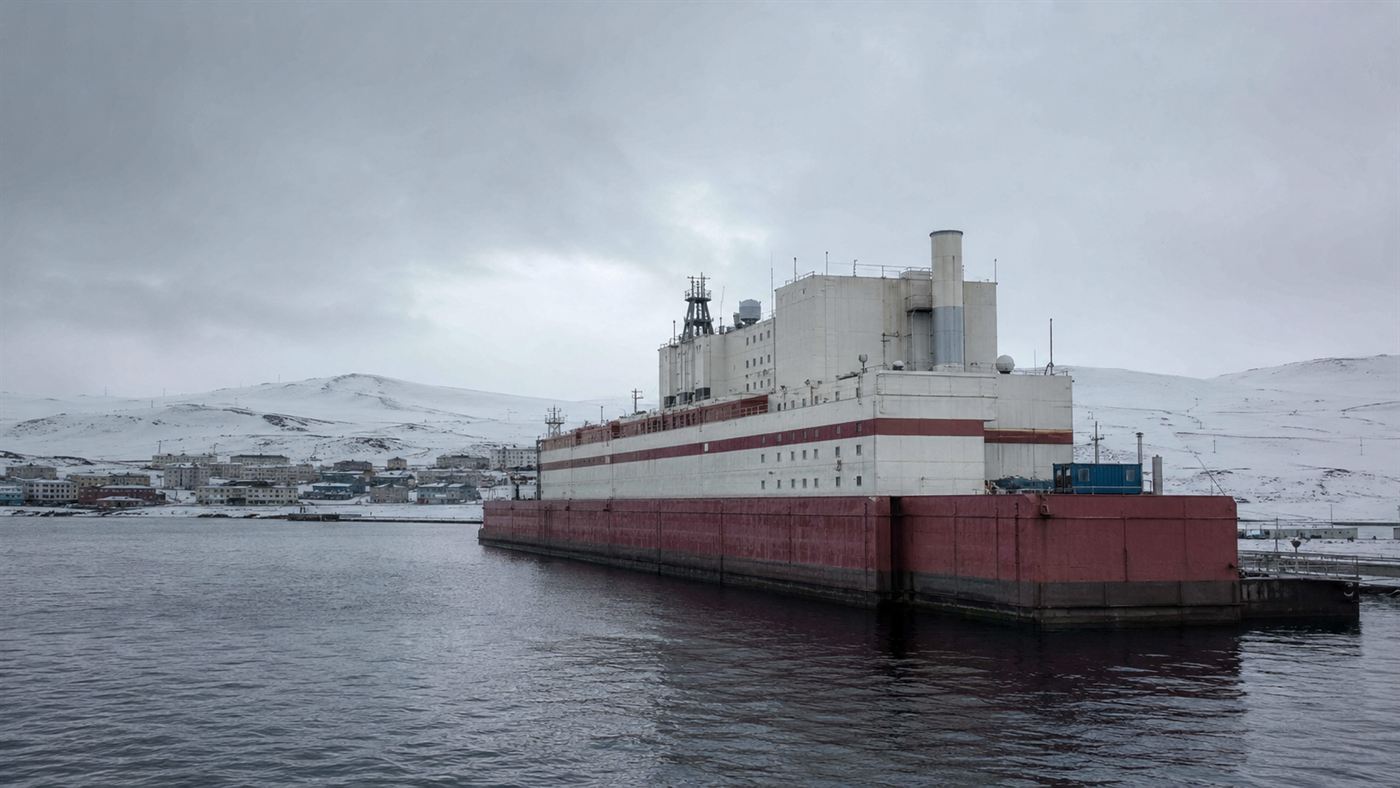
Related reading: TerraPower's Natrium reactor, the sodium-cooled plant rising in Wyoming. See also why data centers are turning to their own nuclear reactors, and the floating nuclear plant that sails power to remote coasts.