The CIA built a giant ship and told the world a billionaire was mining the seafloor, when really it was a cover story to steal a sunken Soviet submarine from three miles down
It is the kind of plan a screenwriter would reject as too far-fetched: a fake ocean-mining empire, a reclusive billionaire's name for cover, a claw the length of a football field, and a stolen Soviet submarine hauled up from the crushing dark of the deep Pacific. Every impossible-sounding part of it was real.
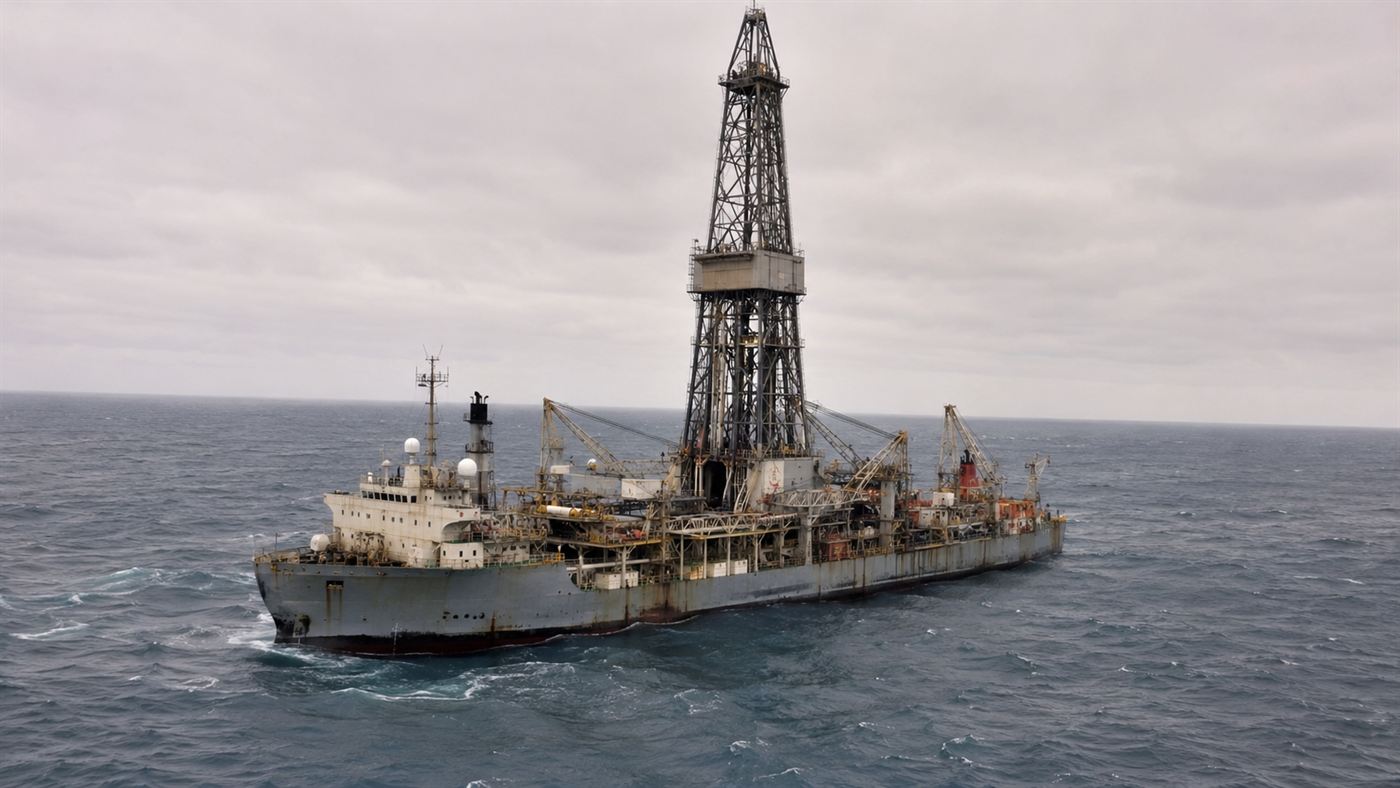
The Hughes Glomar Explorer looked like a mining ship. It was built to steal a submarine. Illustration: Watts & Wild.
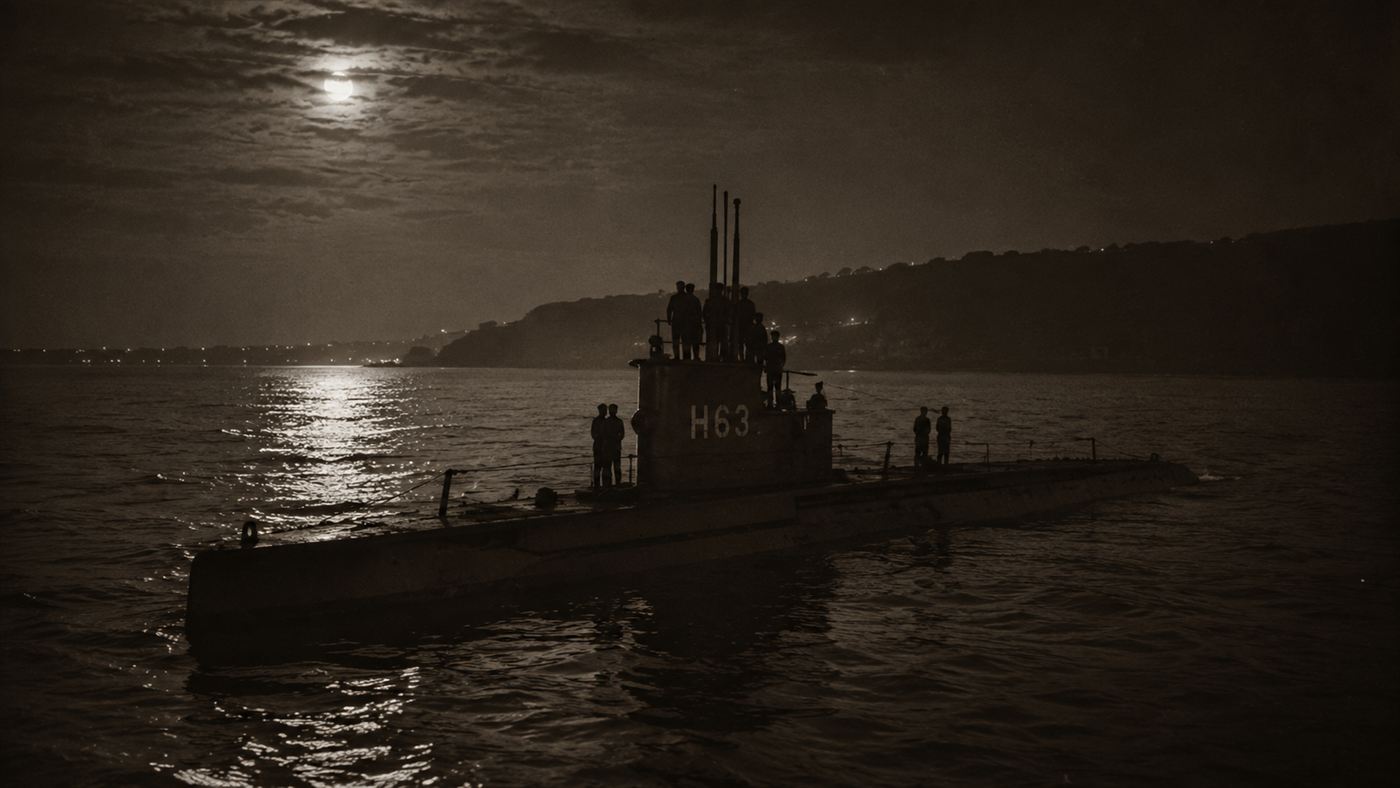
In 1968 a Soviet ballistic missile submarine, K-129, sank in the Pacific about 1,560 miles northwest of Hawaii, taking its crew and its nuclear secrets down with it to a depth of nearly three miles. The Soviet navy searched and failed to find it. The United States, listening on its undersea microphones, knew almost exactly where it lay, and the CIA saw an extraordinary prize.
Recovering a submarine from that depth had never been done and, by any normal standard, could not be done. So the CIA launched Project Azorian, one of the most audacious and expensive espionage operations of the Cold War, built entirely around a lie big enough to hide a ship the size of a skyscraper laid on its side.
The short version: Project Azorian was a secret CIA plan to raise the sunken Soviet submarine K-129 from three miles down. The agency built the Hughes Glomar Explorer, disguised it as billionaire Howard Hughes's deep-sea mining ship, and in 1974 used a giant claw to lift part of the sub off the ocean floor.
What Project Azorian was hunting on the ocean floor
To the CIA, K-129 was a treasure chest. A Soviet missile submarine could be expected to hold nuclear warheads, cryptographic machines and codebooks, and the design secrets of the Soviet fleet, all sitting untouched on the seabed where Moscow believed they were lost forever. Getting even part of it would be an intelligence coup without equal.
The problem was the water above it. The wreck lay around 16,000 feet down, in darkness and pressure that would crush a normal vessel, far beyond anything anyone had ever tried to salvage. This was not diving. It was more like reaching down from the surface with a three-mile-long mechanical arm and lifting a two-thousand-ton object you could not even see.
How Howard Hughes hid a spy ship in plain sight
The genius of Project Azorian was the disguise. The CIA needed to build a bizarre, one-of-a-kind ship and park it over a specific patch of empty ocean for weeks without anyone asking why, so they invented a reason. The story was that the eccentric billionaire Howard Hughes was pioneering a new industry: mining valuable metal nodules from the deep-sea floor.
It was the perfect cover. Hughes was famously secretive and rich enough to attempt something so strange, so the world shrugged and accepted that the huge new ship, the Hughes Glomar Explorer, was just his latest oddball venture. An entire fake industry was conjured up to explain a single act of theft. Other companies even started planning real seabed mining because they believed the hype.
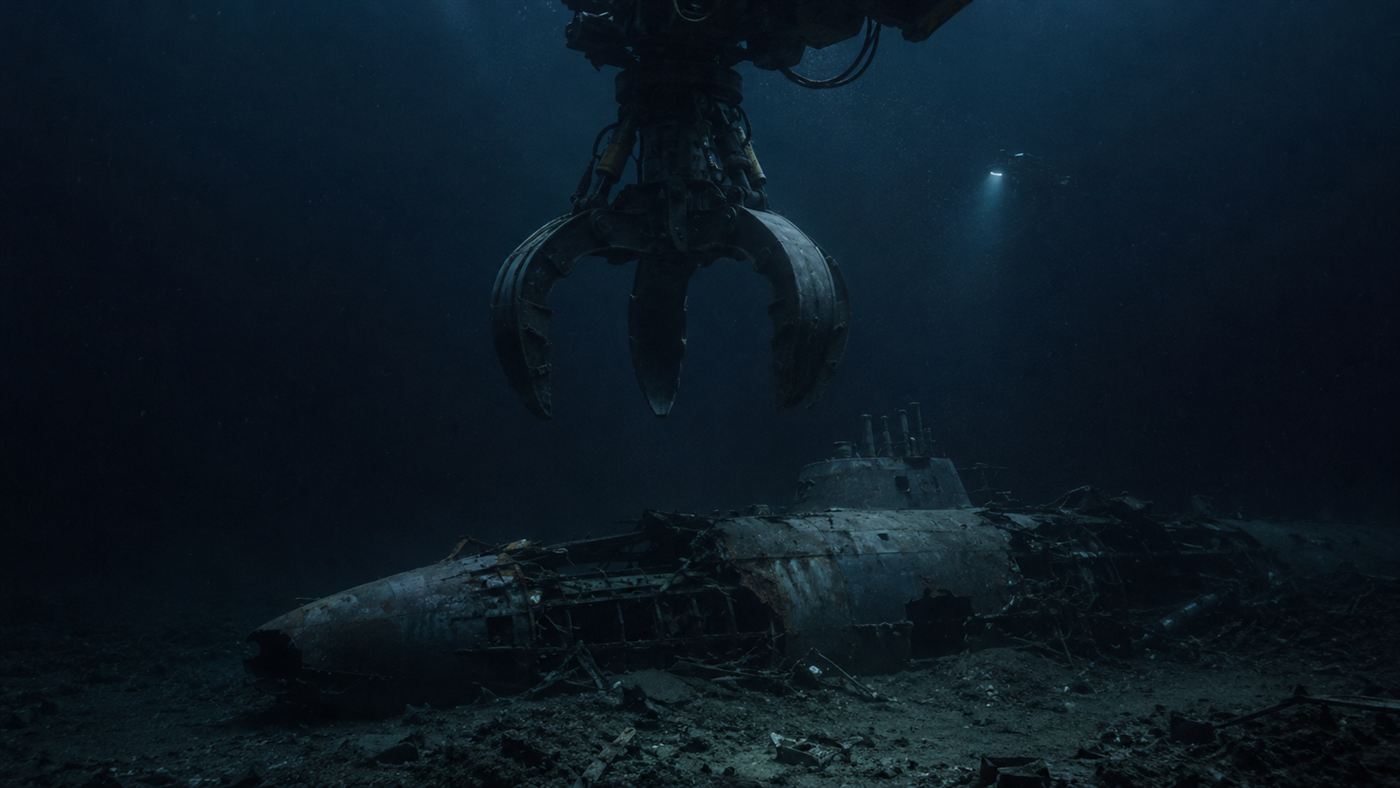
The claw called Clementine
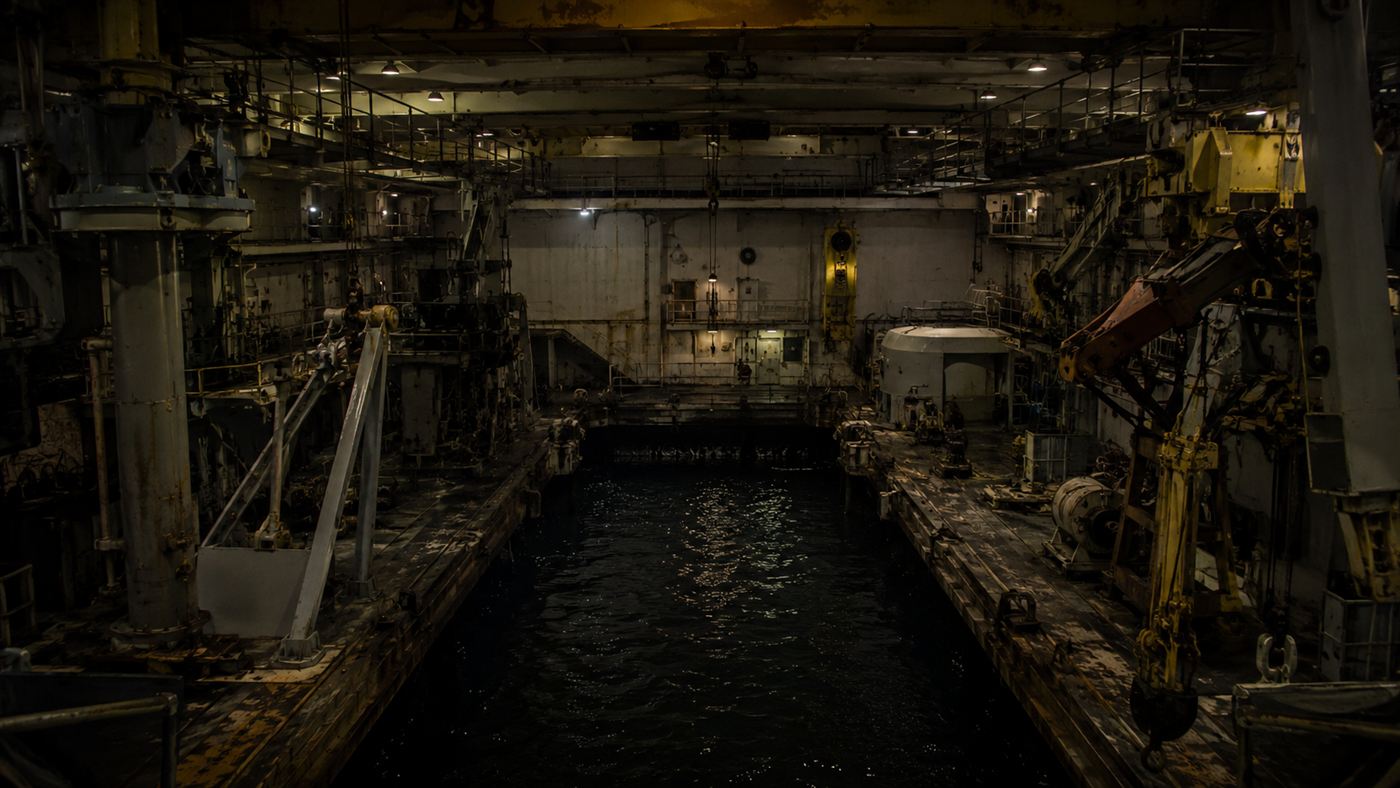
Underneath the ship, hidden by a moon pool that opened in its belly, was the real machine: an enormous mechanical claw the crew nicknamed Clementine. It was lowered on a string of steel pipe, section by section, all the way down to the seabed, where it was to close around the broken hull and cradle it back up into the ship.
In the summer of 1974 they tried it. The claw gripped the submarine and began the agonizingly slow lift, but partway up several of the grabbing arms failed, and a large part of the sub broke off and tumbled back into the abyss. The Glomar Explorer recovered a section of the vessel, though exactly what intelligence it yielded remains classified and disputed to this day.
What did they actually get?
This is where the legend runs into a wall of secrecy. The CIA has acknowledged the operation but has never fully detailed what was inside the recovered piece. It is widely reported that the prize items, the missiles and codebooks, were mostly in the part that fell away, and that the haul was far smaller than hoped.
What is known and moving is that the remains of several Soviet sailors were recovered with the wreckage and given a formal burial at sea, with honors, a ceremony the United States later handed to Russia on videotape. Whatever secrets did or did not come up, real men who had died in 1968 were finally, quietly laid to rest by their Cold War adversaries.
The phrase that outlived the mission
The secret held until 1975, when journalists pieced the story together and it burst into the press. Faced with reporters and, soon, formal requests for records, the CIA landed on a now-famous non-answer: it would "neither confirm nor deny" that any such files existed. That careful dodge was born directly from the Glomar Explorer.
It stuck. Today, "neither confirm nor deny" is a standard legal response, known as the Glomar response, used by governments and agencies to sidestep questions without admitting anything at all. A single Cold War caper about a stolen submarine quietly rewrote how officials say nothing, and it is still said every day.
The honest catch
It is a spectacular story, and that is exactly why it deserves a skeptical eye. Because so much remains classified, a lot of what is repeated about Project Azorian, especially claims about what was or was not recovered, rests on leaks, unnamed sources and educated guesses. The tidy triumphs and tidy failures are both partly legend.
The other uncomfortable truth is the price. The operation is estimated to have cost hundreds of millions of dollars, well over a billion in today's money, for a haul that may have been modest at best. Project Azorian was a breathtaking feat of engineering and nerve, but whether it was worth the money and the risk is a question the secrecy has conveniently kept us from ever fully answering.
A fake mining ship, a billionaire's name and a three-mile claw nearly pulled off the heist of the century, and left behind a phrase officials still use to dodge us. Was this a stroke of Cold War genius, or a fortune spent chasing a prize that mostly slipped back into the sea? Tell us in the comments.
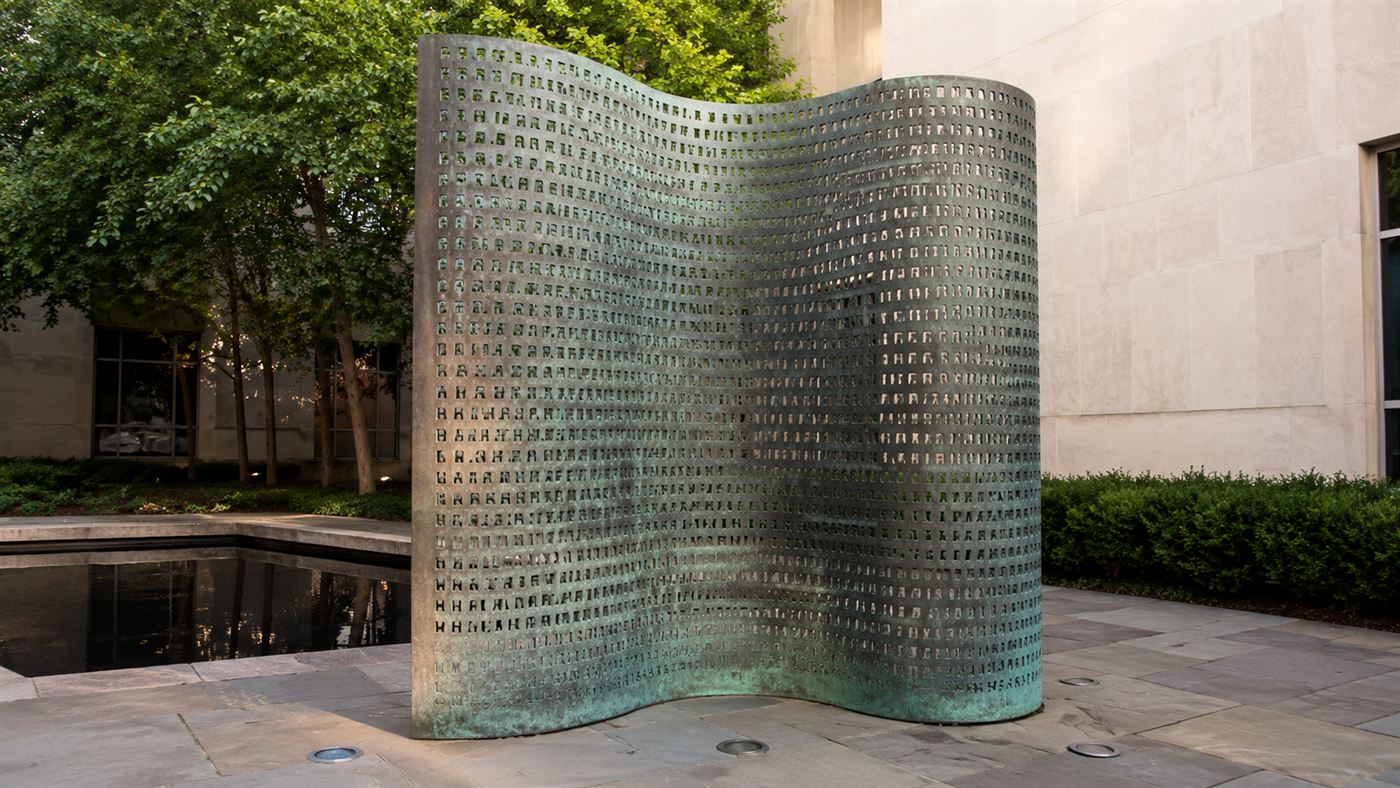
Related reading: Operation Mincemeat, the wartime deception that fooled Hitler with a corpse and a briefcase of lies. See also Kryptos, the coded sculpture that has taunted the CIA's own campus for decades.