A Mercedes test car with a new solid-state battery just drove 1,205 km from Germany to Sweden on a single charge and arrived with range to spare, hinting at the end of charging anxiety
The two great complaints about electric cars are that they do not go far enough and that, very rarely, their batteries catch fire. A new kind of battery promises to fix both, and Mercedes just backed it up by driving more than 1,200 km across Europe on a single charge.
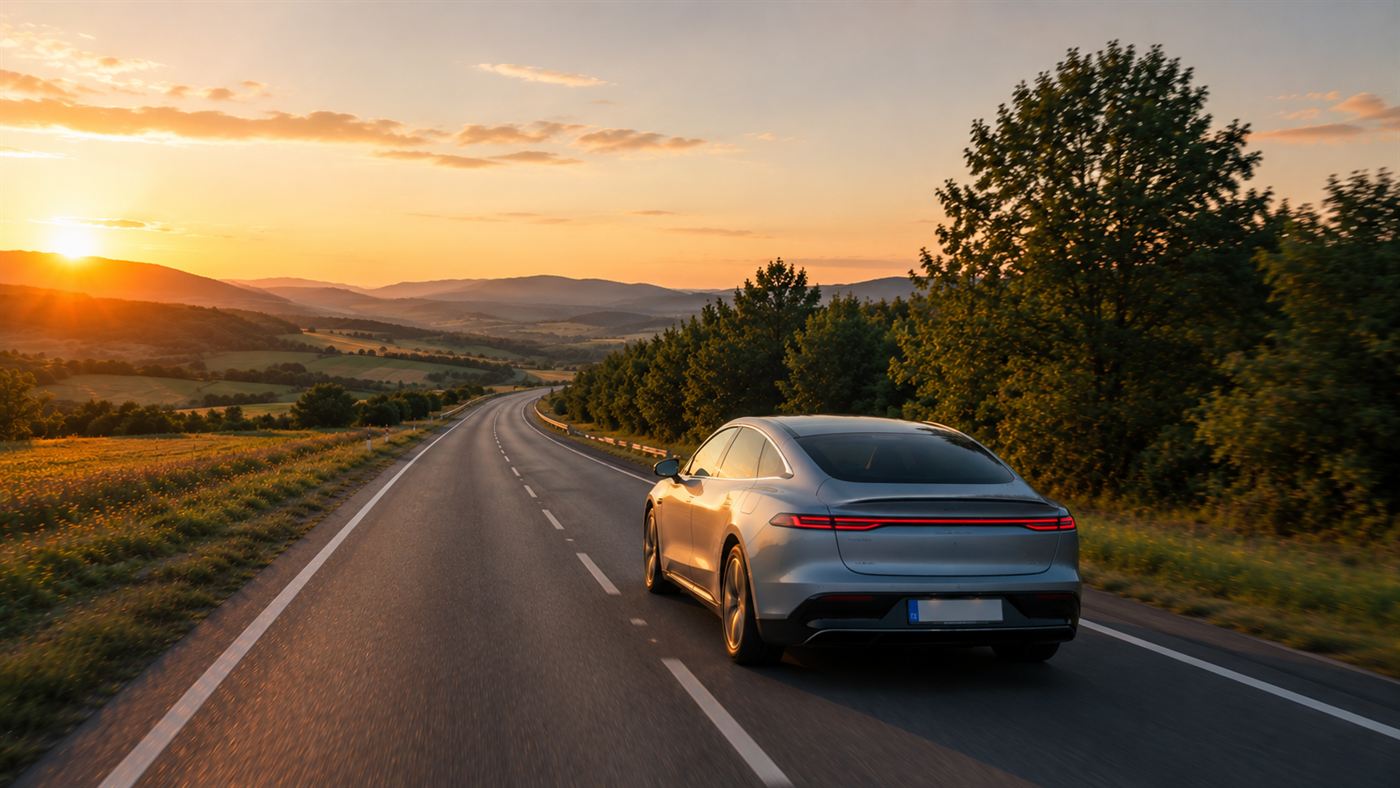
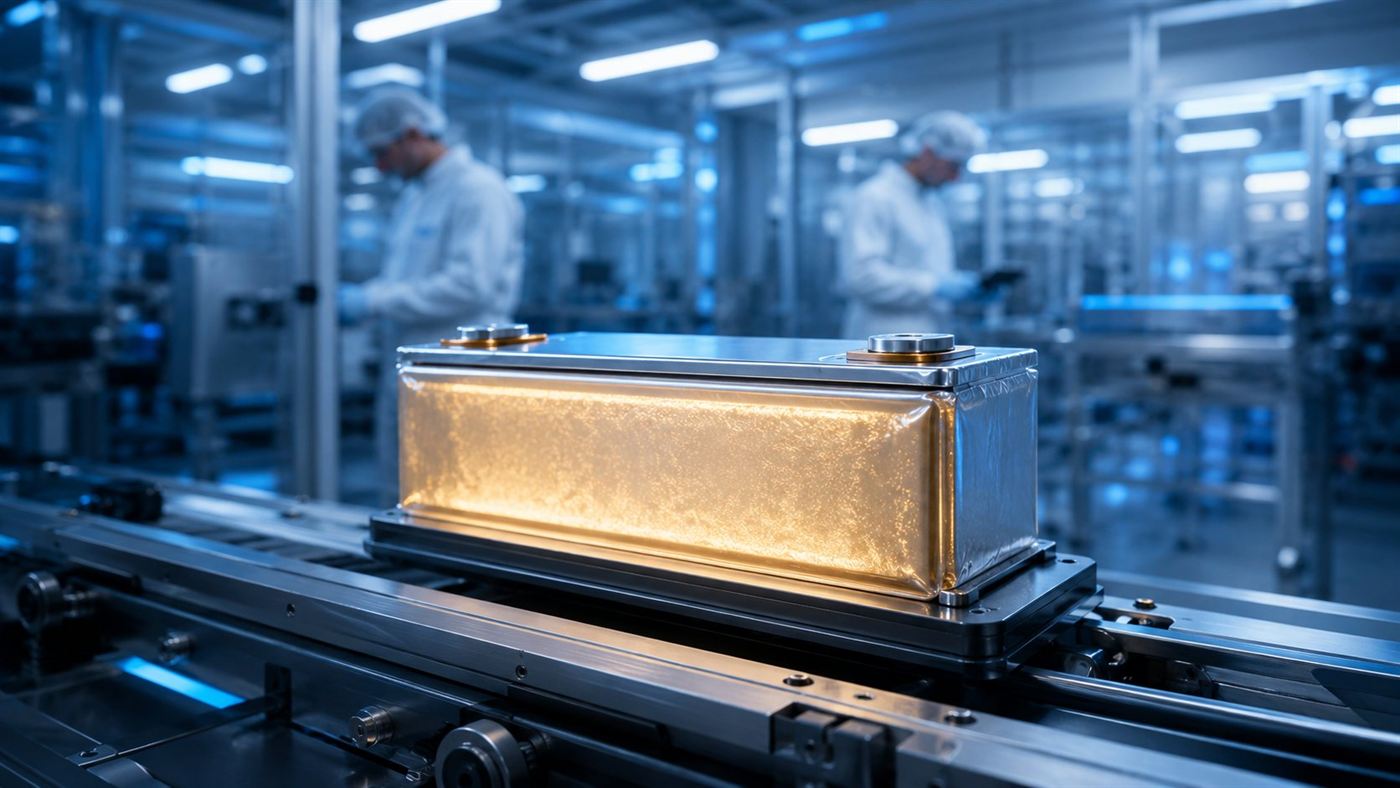
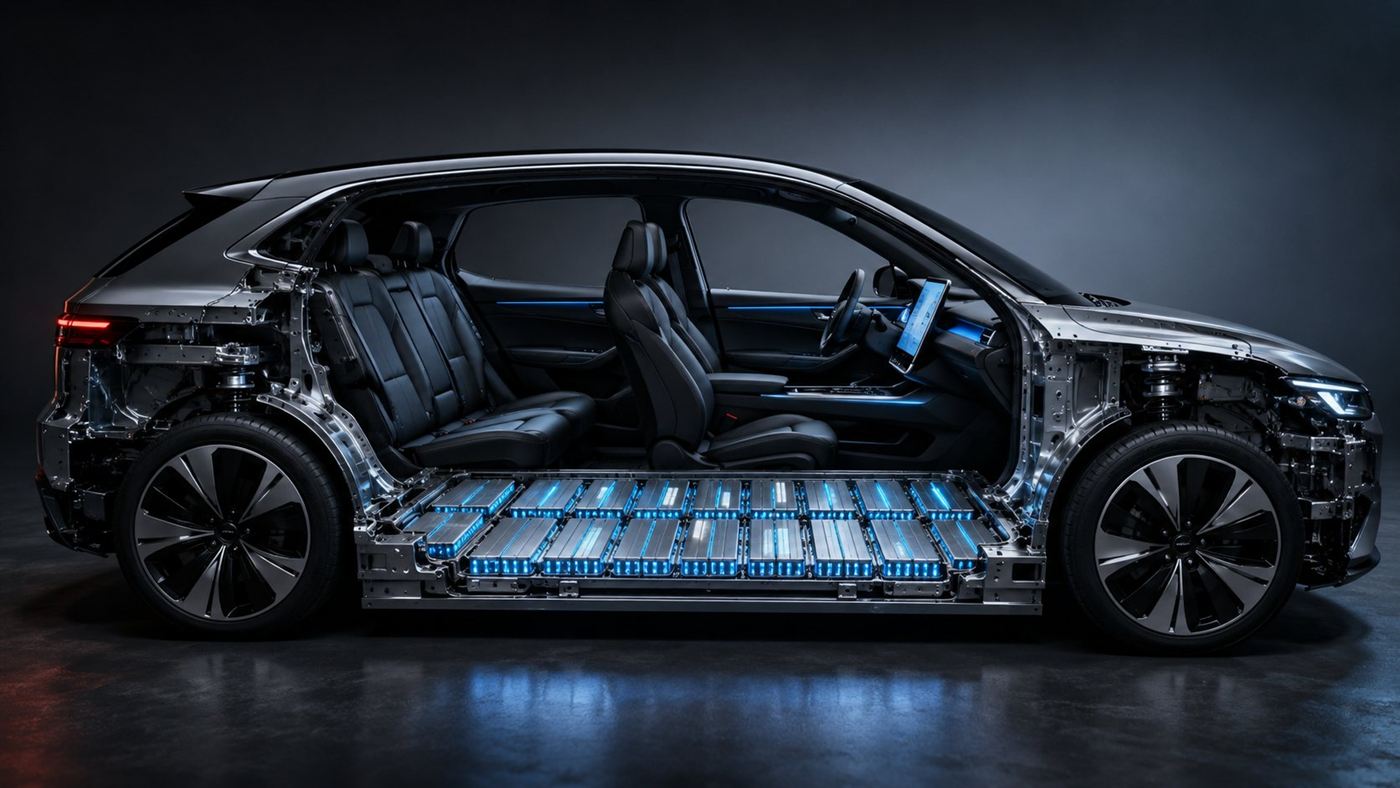
A solid-state battery let a Mercedes test car cross from Germany to Sweden without charging. Illustration: Watts & Wild.
For all the progress electric cars have made, one worry still nags at would-be buyers: what happens on a really long drive, when the battery runs low and the nearest fast charger is an hour away. The fix everyone has been waiting for is not a better charger but a better battery, and a Mercedes solid-state battery just took the leading candidate out of the lab and onto a motorway.
The battery is the solid-state cell, long described as the holy grail of electric driving. In 2025, Mercedes-Benz, working with the American battery firm Factorial, put one into a real car and pointed it at the open road. What happened next is the strongest hint yet that the 1,000 km electric car is close.
A 1,205 km drive on one charge
The headline demonstration was a road trip. At the end of August 2025, a Mercedes EQS fitted with a solid-state battery drove 1,205 km from Stuttgart in Germany to Malmo in Sweden without a single charging stop, and rolled into the destination still showing around 137 km of range left in the tank.
That is the kind of distance that quietly erases the entire problem. It is far further than almost anyone drives in a day, which means a car like this would charge overnight at home and simply never run low on an ordinary trip. The demonstration mattered precisely because it happened on a real motorway in real traffic, not on a test bench.
What makes the Mercedes solid-state battery different
The trick is in the chemistry. A normal lithium-ion battery moves its charge through a liquid electrolyte, which works well but is flammable and limits how the cell can be built. A solid-state battery replaces that liquid with a solid material, and the Mercedes and Factorial team got their first lithium-metal solid-state car onto the road in February 2025.
Swapping in a solid lets engineers use a lithium-metal design that packs in far more energy for the same weight. In this case the gain is real and measurable: the solid-state pack offers up to 25 percent more range than a conventional battery of the same size and weight, pushing energy density toward levels a normal cell cannot reach.
Why this is the battery everyone is chasing
Solid-state is the prize because it attacks both of the electric car's weak points at once. More energy density means more range, and a solid, non-flammable electrolyte means far less of the fire risk that occasionally makes headlines. In principle it can also charge faster and last longer, which is why nearly every major carmaker has a programme racing toward it.
Mercedes leaned on some serious muscle to get here, drawing on battery expertise from its Formula 1 high-performance division and on Factorial's lithium-metal cell technology. The cells use Factorial's FEST technology and target an energy density far above today's standard packs. It is the kind of collaboration that signals a company thinks the technology is finally close to real.
The honest catch
Now for the cold water, because there is plenty. This is a test car, not a showroom model, and Mercedes itself says production versions are unlikely before the end of the decade. The history of solid-state batteries is littered with confident timelines that quietly slipped, and a single hand-built prototype driving across Europe is a long way from millions of affordable cars on dealer lots.
The hard part was never making one good cell, it was making them cheaply, reliably and at huge scale, where solid-state designs have always struggled with cracking, durability and cost. Rivals from Toyota to a wave of Chinese firms are chasing the same goal, and it is genuinely unclear who will get a durable, affordable version to market first. Impressive as the drive is, the gap between a record-setting demo and a car you can actually buy is the whole challenge.
Why solid-state matters
What this drive really proves is not that the problem is solved, but that the target is real and reachable. A 1,200 km electric car that does not catch fire and charges overnight is no longer a wishful spec sheet, it is a thing that has now physically driven from one country to another. The question has shifted from whether it can be done to who can do it at a price people will pay.
If solid-state lives up to even half its promise, the familiar anxieties around electric driving start to look like a passing phase rather than a permanent ceiling. Would a 1,000 km battery that charges overnight finally convince you to go electric, or does the wait until the end of the decade change the calculation? Tell us in the comments.
Related reading: BYD's new megawatt platform charges an EV with about 400 km of range in just 5 minutes at a record 1,000 kW, roughly as fast as a petrol fill-up.