Fervo's Cape Station in Utah is on track to send its first 100 MW of 24/7 geothermal power to the grid in late 2026, scaling to 500 MW by 2028
The horizontal drilling and fracking that built the U.S. shale boom were a fossil-fuel symbol for two decades. Now Fervo Energy is turning that exact playbook into clean, 24/7 geothermal power in the Utah desert, with first electrons promised to the grid before the end of 2026.
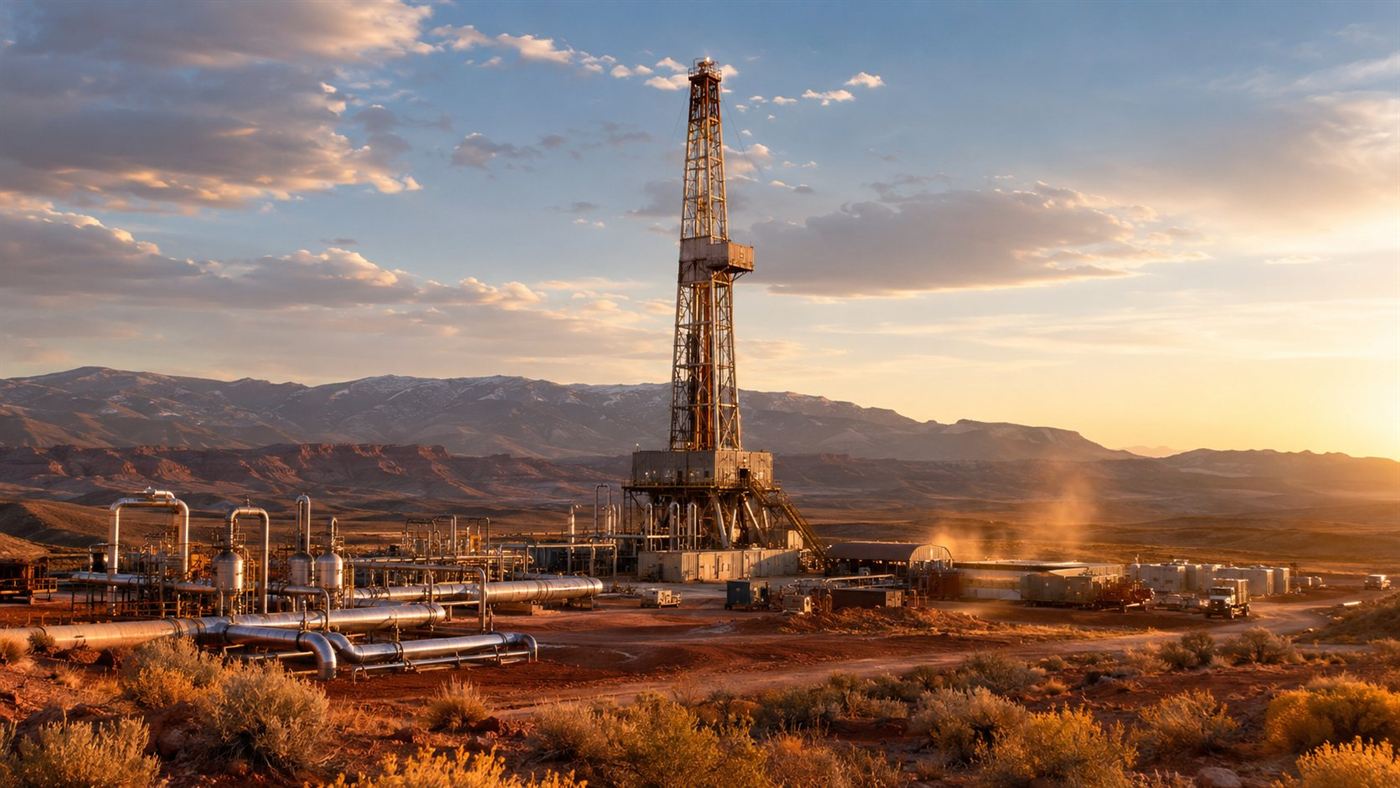
Cape Station rises from Beaver County, Utah, the world's largest enhanced geothermal project. Illustration: Watts & Wild.
For twenty years, horizontal drilling and hydraulic fracturing meant one thing: oil and gas. The technique unlocked the American shale boom, reshaped global energy markets, and became shorthand for everything the climate fight was supposed to leave behind. But now the very same tools are being pointed straight down into hot granite to pull up something else entirely, clean electricity that runs around the clock.
On June 22, 2026, Fervo Energy reported its first-quarter results and confirmed that Cape Station in Utah remains on track to deliver its first roughly 100 MW of around-the-clock clean power in the fourth quarter of 2026, scaling to a full 500 MW by 2028. The company said it has drilled, stimulated and completed all initial Phase I wells, with commissioning of the first GeoBlock unit already underway. The reversal at the heart of the story is hard to miss: the fracking playbook long tied to fossil fuels is now the engine of one of the most ambitious clean-power builds in the country.
What Cape Station actually is
Cape Station sits in Beaver County, Utah, near the town of Milford, in a stretch of high desert where the rock runs hot a couple of miles down. Fervo and energy outlets describe it as the world's largest next-generation, or enhanced, geothermal project. Utility Dive has reported on the site as the most productive enhanced geothermal system built to date, a label that rides on the project's engineering rather than on any one season of output.
The build is split into two phases. Phase I is structured as three GeoBlocks of roughly 33 MW each, adding up to that first ~100 MW. Phase II is far larger, eight GeoBlocks of about 50 MW apiece, roughly 400 MW in total, which is what lifts the project to its full 500 MW by 2028. The phasing matters, because it explains why a project routinely called the world's largest is still measured in promises for now rather than in megawatts already flowing.
Fracking for heat, not oil
The method underneath Cape Station is called enhanced geothermal systems, or EGS. Conventional geothermal plants need a rare natural combination of heat, water and permeable rock, which is why they have historically been stuck in a handful of volcanic regions. EGS rewrites that rule. Fervo drills horizontally and then uses hydraulic stimulation, the same fracturing borrowed from shale oil and gas, to crack open hot, dry rock that lacks natural permeability and engineer a reservoir where none existed.
That single move is what makes the idea so disruptive. Canary Media has detailed how Fervo applies oil-and-gas drilling techniques to scale enhanced geothermal, taking heat from rock that older geothermal plants would have written off as useless. In theory, it makes geothermal viable in far more places, anywhere there is hot rock deep enough underground, instead of only where nature already plumbed it.
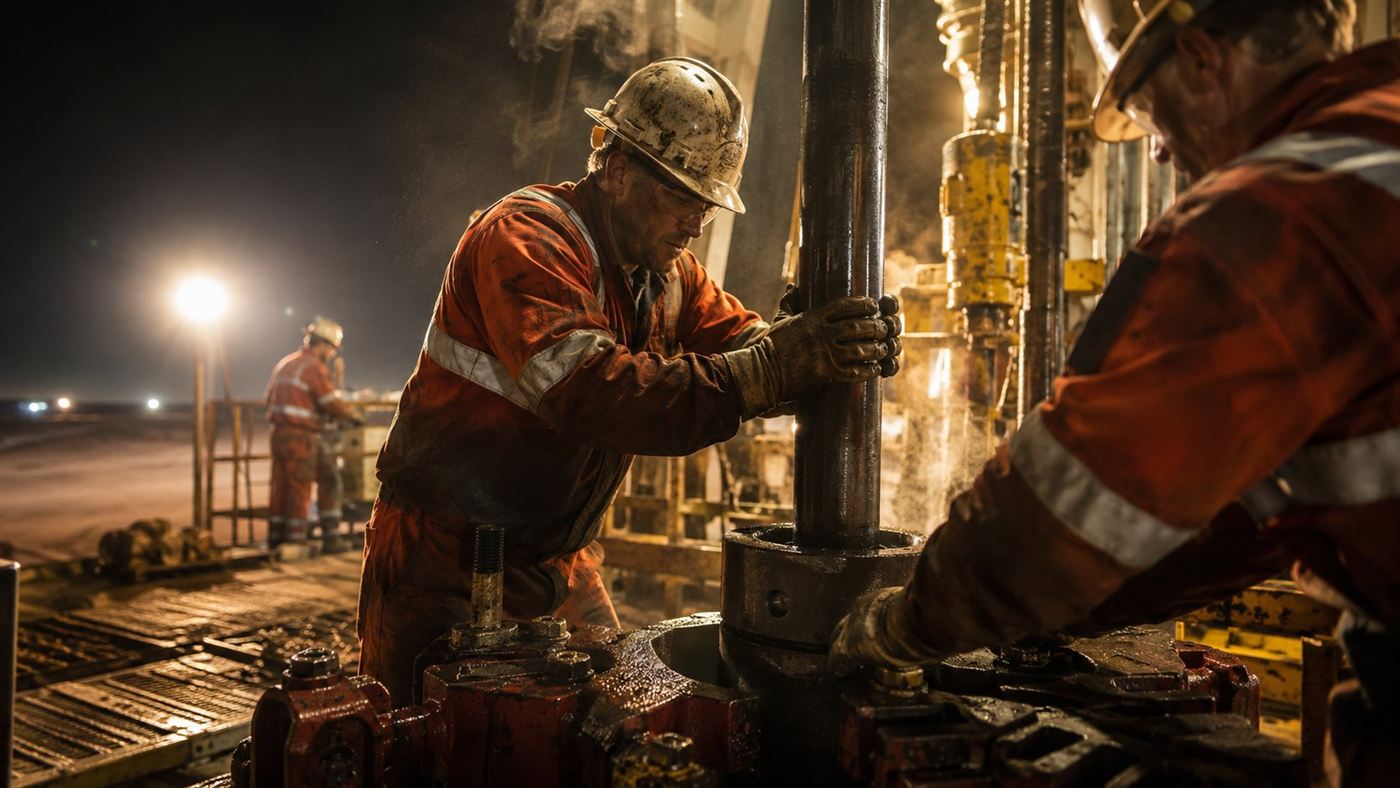
The fluid is pumped down one well, soaks up heat as it travels through the fractured rock, and comes back up a second well hot enough to spin a turbine. It is, in plain terms, fracking for heat. The same crews, the same rigs and many of the same suppliers that built the shale fields are now learning to drill for clean power.
The cost curve that makes it real
None of this would matter if the drilling stayed ruinously expensive, and the most striking numbers in Fervo's story are about cost falling fast. Across the first four horizontal wells at Cape, Fervo reported that drilling cost per well dropped from $9.4 million to $4.8 million, nearly cutting the bill in half as crews repeated the process and got faster.
Speed told the same story. Fervo cut its drilling time by 70 percent, and its fastest Cape well was drilled in just 21 days, against the company's first horizontal well back in 2022 that took far longer. The crews leaned on PDC drill bits pulled straight from shale basins to chew through hard granite, the kind of hardware that exists today only because the oil and gas industry spent two decades perfecting it.
The same drilling-results release shows per-foot drilling costs falling by more than 70 percent during proof-of-concept work. That is the whole game for EGS. Geothermal heat is free once you reach it, so the cost of a project lives almost entirely in the drilling. Bend that curve down and a technology stuck on the fringes for decades suddenly starts to pencil out.
Who is buying the power
The demand pulling all of this forward has a name: data centers. Fervo positions Cape Station's output as clean, firm 24/7 power, baseload electricity that runs through the night and through cloudy, windless days, which is exactly what the AI and data-center boom is desperate for and what intermittent solar and wind cannot deliver alone.
In March 2026, Fervo signed a Geothermal Framework Agreement with Google for up to 3 GW of geothermal through 2033, including 1 GW proposed in the first two years. The relationship runs deep: it dates back to a 2021 first-of-its-kind 115 MW arrangement, the Project Red pilot, which used NV Energy's Clean Transition Tariff to feed carbon-free power to Google data centers in Nevada. Data Center Dynamics has reported on Google's backing and the surging data-center demand driving Fervo's buildout.
Behind the headline framework sits something more concrete. Fervo also holds a 320 MW power purchase agreement with Southern California Edison tied to Cape Station output, a committed offtake deal that is legally distinct from the Google framework. That contract, not the splashier Google number, is the firm demand actually anchoring the project's first phases.
The honest catch
The headline numbers come wrapped in real caveats, and it is worth stating them plainly. Cape Station is still pre-commercial. First power is only expected in Q4 2026, and the full 500 MW does not arrive until 2028, so the world's-largest claim rests on a project that is not yet generating at scale. Commissioning underway is not the same as electrons on the grid.
The marquee Google figure carries the biggest asterisk. The 3 GW Geothermal Framework Agreement is explicitly non-binding. It does not obligate Google to buy any power, accept any specific project, or provide any financing. It is a development pathway and a statement of intent, not a guaranteed 3 GW of sales. The firm, contracted demand is the 320 MW Southern California Edison deal, an order of magnitude smaller than the number that grabs the headlines.
Why the money is following
Investors are betting that the cost curve wins. Fervo completed a $2.2 billion IPO on May 14, 2026, selling 80.5 million Class A shares at $27.00 apiece on the Nasdaq under the ticker FRVO, one of the largest clean-energy listings of the year. The company also secured $421.4 million in non-recourse project financing for Cape Station Phase I, the kind of structured debt that lenders extend only when they believe a project will actually generate revenue.
Put the pieces together and the wager is straightforward. If Fervo keeps driving drilling costs down the way it did from $9.4 million to $4.8 million a well, enhanced geothermal stops being a science project and becomes a repeatable, bankable source of round-the-clock clean power. The tool that symbolized the fossil-fuel era for twenty years may end up being the one that finally lets geothermal go almost anywhere there is hot rock underground.
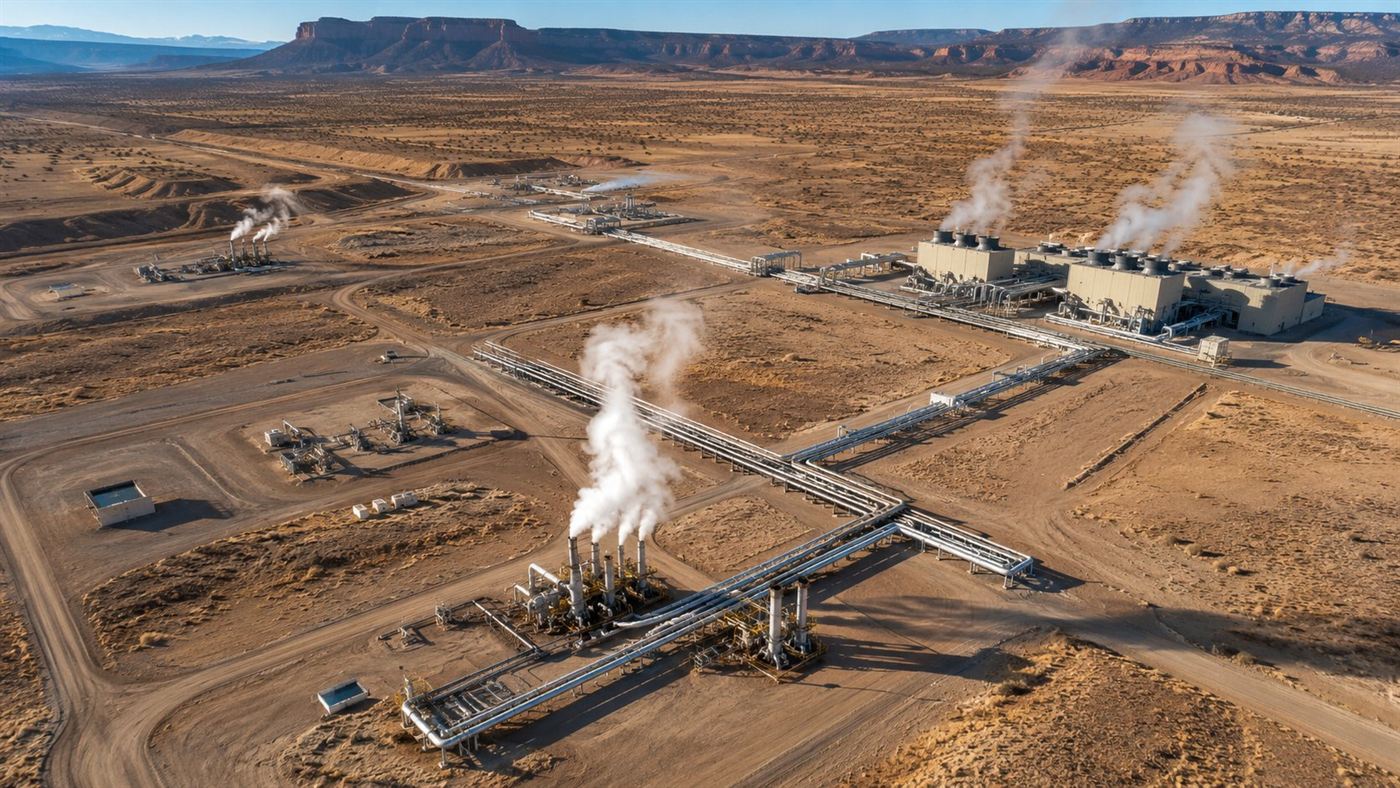
The fracking rigs that came to stand for everything dirty about energy are now drilling for the cleanest power there is, on call every hour of the day. Whether Cape Station lives up to its billing will be settled in the Utah desert over the next two years, not in a press release. Would you trust a fossil-fuel drilling technique to deliver the clean, 24/7 power our grids are starving for? Tell us what you think in the comments.
Related reading: the world's largest battery will run on rust.