Big Tech is restarting a dead nuclear reactor to feed its AI, with Microsoft paying to bring 835 megawatts back online at Three Mile Island after six years dark
For decades, nuclear plants were the energy of the past, switched off one by one. Now AI's bottomless hunger for round-the-clock power has flipped the script. Microsoft is paying to restart a reactor at Three Mile Island, and Google and Amazon are bankrolling a whole new fleet of reactors.
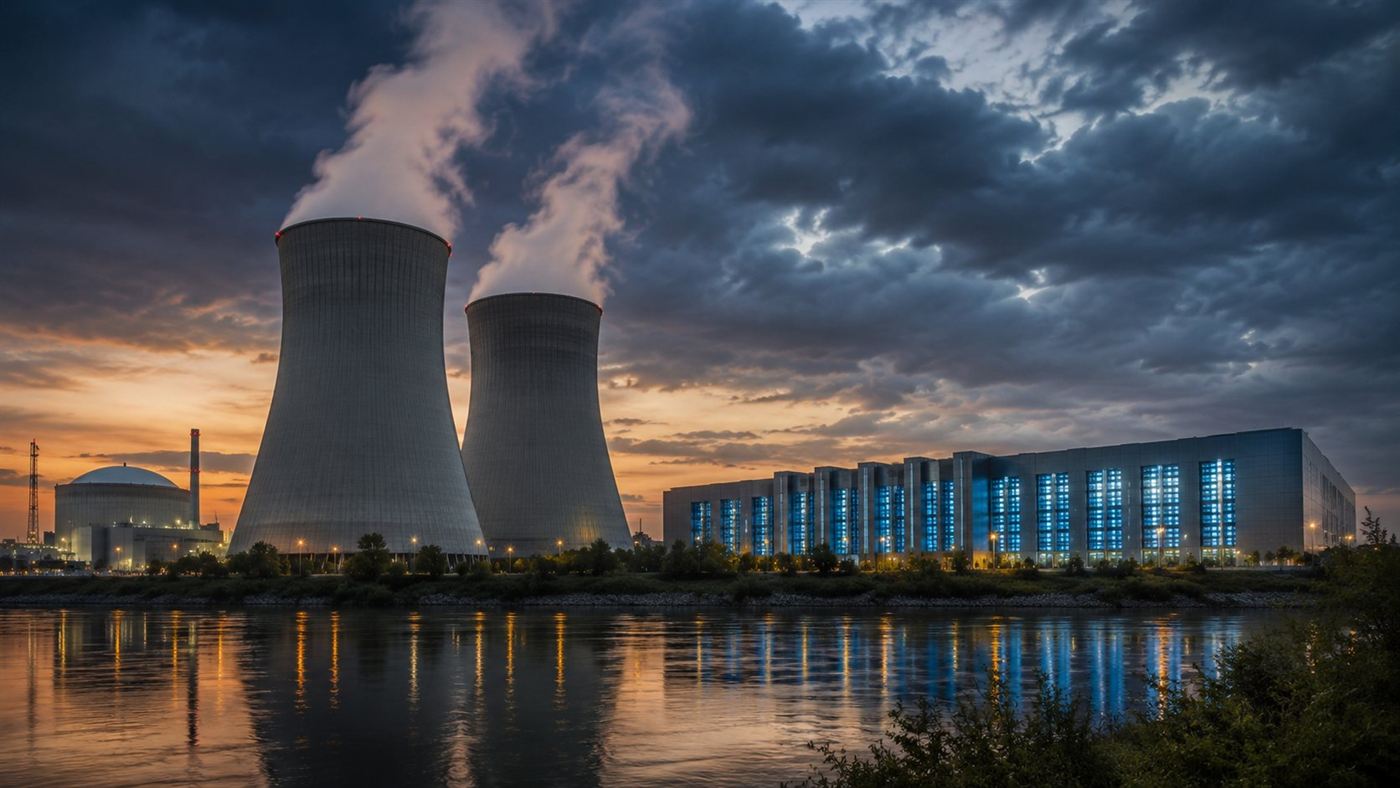
The reactor that became a symbol of nuclear's decline is being switched back on to feed artificial intelligence. Illustration: Watts & Wild.
Three Mile Island is the most infamous name in American nuclear power. In 1979, one of its reactors suffered a partial meltdown that froze the industry for a generation, and by 2019 the surviving reactor next door had gone dark too, shut down because it simply could not earn its keep. For most of the last decade, the story of nuclear in the United States was a story of plants being quietly switched off, one after another, as cheaper gas and renewables took over.
That script has now flipped. On September 20, 2024, Microsoft and the power company Constellation announced a deal to physically bring the long-shut Three Mile Island Unit 1 back to life, signing a 20-year contract so that roughly 835 megawatts of carbon-free electricity can flow straight to the data centers training and running artificial intelligence. The technology of the future, it turns out, is being powered by the energy of the past, brought back from the dead.
The reactor coming back from the dead
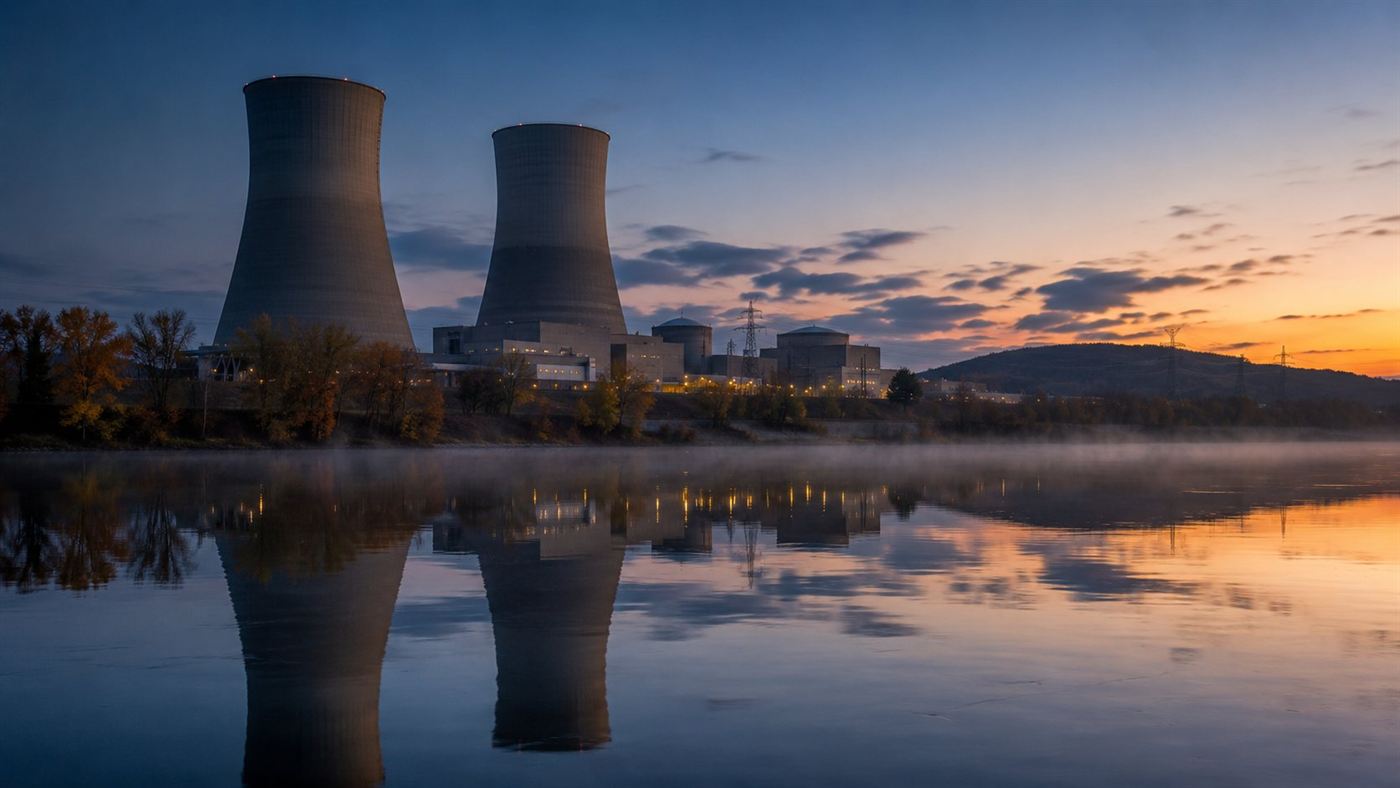
The plant at the heart of this is not the one that melted down. As World Nuclear News reported, the reactor being restarted is Three Mile Island Unit 1, an undamaged unit that ran cleanly for years and was closed in 2019 purely for economic reasons, the working twin of Unit 2, the reactor that suffered the 1979 partial meltdown. Constellation is renaming the facility the Crane Clean Energy Center, after its late chief executive Chris Crane, in part to put distance between the comeback and the ghost next door.
The numbers are what make the deal real. Utility Dive detailed the agreement as a 20-year power purchase deal restoring about 835 MW of capacity, producing roughly 7 million megawatt-hours of electricity a year, enough to match the consumption of Microsoft's data centers across the PJM grid region that stretches over much of the eastern United States. World Nuclear News cites a slightly higher figure of 837 MWe for the unit's output, but the order of magnitude is the same: a large, always-on reactor switched back on to feed the cloud.
Joe Dominguez, Constellation's chief executive, framed the announcement around exactly that demand, telling reporters the deal reflects how badly the new wave of data centers needs firm, round-the-clock power that wind and solar alone cannot guarantee. For Microsoft, the appeal is carbon-free electricity that runs every hour of every day, which is precisely what an AI training cluster burning power non-stop requires.
The timeline, and the federal money behind it
None of this happens overnight. The restart is targeted for 2028, with Constellation expecting to complete the Nuclear Regulatory Commission review process in 2027 before the reactor can legally come back online. Reviving a plant that has sat idle for years means inspecting and refurbishing turbines, cooling systems, and control equipment, then satisfying federal regulators that a unit shut down in 2019 is safe to run for another two decades.
The payoff Constellation projects is sizable. The company expects the project to create around 3,400 direct and indirect jobs and to deliver a significant boost to the regional economy, reviving a site that had been written off as a relic. For a town that watched its plant close, the restart is an industrial resurrection few saw coming.
Then Washington put its weight behind it. CNBC reported that in November 2025 the Trump administration backed the restart with a $1 billion federal loan to Constellation, a clear signal of policy momentum behind nuclear as the answer to AI's power crunch. That loan was not part of the original 2024 deal; it arrived more than a year later, a sign of how much the politics of nuclear have shifted as the AI boom collided with the grid.
Google bets on reactors that do not exist yet
Microsoft chose to revive an old giant. Google went the opposite way, betting on a fleet of small reactors that have barely been built. On October 14, 2024, Google announced an agreement with Kairos Power that it described as the world's first corporate deal to buy nuclear power from multiple small modular reactors, enabling up to 500 MW of new 24/7 carbon-free power, with the first reactor targeted to come online by 2030.
Small modular reactors, or SMRs, are the industry's big hope: factory-built units far smaller than a conventional plant, meant to be cheaper, faster to deploy, and stackable as demand grows. Google's first Kairos reactor is tied to the Tennessee Valley Authority and the Hermes 2 plant in Oak Ridge, Tennessee. If it works, TVA would become the first US utility to buy electricity from an advanced fourth-generation reactor, with Hermes 2 planned to scale its output to 50 MW beginning in 2030.
The contrast with Microsoft is the whole point. One company is reaching into the past to switch a proven reactor back on; the other is funding a design that still has to prove it can run at all. Both are chasing the same thing: clean power that never stops, on a scale renewables struggle to deliver alone.
Amazon goes biggest of all
Two days after Google, Amazon unveiled the broadest push of the three. On October 16, 2024, X-energy announced that Amazon had anchored a roughly $500 million financing round in the reactor developer and partnered with Energy Northwest in Washington state on a project starting at 320 MW and scaling to 960 MW across 12 Xe-100 reactor modules of 80 MW each. Amazon set itself a target of bringing more than 5 GW of new nuclear online across the United States by 2039.
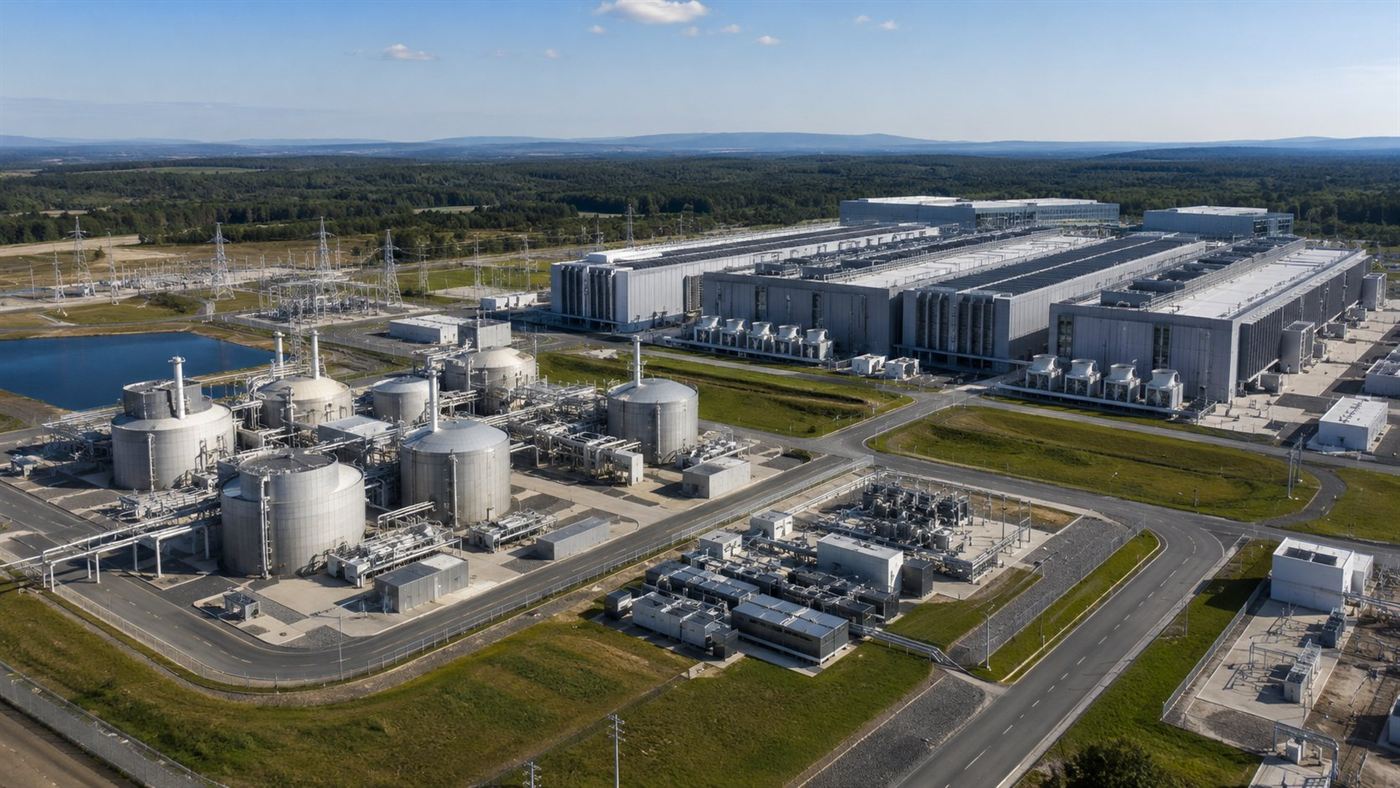
Amazon did not stop at small reactors. The company separately struck a 1,920 MW power purchase agreement with Talen Energy tied to the Susquehanna nuclear plant in Pennsylvania, after its cloud arm, AWS, bought an adjacent data center campus from Talen for $650 million earlier in 2024. The logic is brutally simple: plant the data center next to the reactor, and the power has almost no distance to travel.
Taken together, Amazon's deals span existing reactors and unbuilt ones, direct purchases and equity stakes. It is the most aggressive corporate nuclear program in the country, and it captures the moment perfectly: a single tech company is now committing to gigawatts of reactor capacity that a decade ago no buyer wanted.
Why AI is driving all of this
The force behind every one of these deals is the electricity appetite of artificial intelligence. The International Energy Agency reported that data center electricity use surged about 17% in 2025, with global data center demand projected to rise from 460 TWh in 2024 to over 1,000 TWh by 2030, an increase comparable to adding the annual electricity use of a large industrial economy to the world's grids in just six years.
That scramble is rewriting who builds reactors. According to the same IEA analysis, the conditional pipeline of small modular reactor capacity tied to data center offtake deals nearly doubled, from 25 GW at the end of 2024 to 45 GW in 2025. Tech companies, not utilities, have become the customers willing to sign the long contracts that nuclear projects need to get financed, because a reactor's steady output matches a data center's relentless, hour-by-hour load in a way intermittent renewables cannot.
This is the reversal in full. The plants that were closing for lack of buyers now have the deepest-pocketed buyers on Earth competing for their output, and the reactor designs that languished for want of a market suddenly have order books. Nuclear's revival is not being driven by climate policy or public opinion; it is being driven by the power bill of the AI boom.
The honest catch
Here is the part the press releases skip past. Almost none of this electricity exists yet. The Three Mile Island restart is targeted for 2028 and still has to clear NRC review, and the small modular reactors Google and Amazon are buying are largely unbuilt, first-of-a-kind designs not expected online until around 2030 at the earliest. The nuclear industry's track record on new builds is littered with delays and cost overruns, and these projects carry the same risk.
What Big Tech has actually bought, for now, is mostly contracts and intentions, not megawatts on the grid. SMR economics remain unproven at commercial scale, which means the promised flood of clean, always-on power could arrive late, cost far more than projected, or in the case of the newest designs not arrive at all. The headlines are real, the announcements are real, and the demand is real. The electricity, mostly, is still a promise.
What it means for the grid
Even as promises, these deals are reshaping the energy map. By pairing data centers directly with reactors, Microsoft, Google, and Amazon are trying to add huge blocks of firm, carbon-free power without leaning on a strained grid or burning more gas. If the projects deliver, they could keep aging reactors alive, give untested SMR designs the first real customers they need, and put nuclear back at the center of the clean-energy conversation after years on the margins.
If they stumble, the cost lands on everyone. Reactors that slip past 2028 or 2030 leave data centers hungry, and that gap tends to get filled by fossil fuel plants kept running longer than planned. The same AI boom driving the nuclear revival is also the reason any delay would hurt: the power has to come from somewhere, and right now the somewhere is being negotiated reactor by reactor.
For forty years, Three Mile Island stood for everything that went wrong with nuclear power. Now it stands for the strangest comeback in the energy business, a dead reactor switched back on so a machine can think. Would you want a nuclear reactor restarted in your backyard if it meant powering the AI you use every day? Tell us what you think in the comments.
Related reading: China has begun building a 137 billion dollar megadam in the Himalayas.