China Won the Electric Car Race, but Now It Faces a Wave of Worn-Out Batteries Heading for a Million Tonnes a Year by 2030
The country that won the electric car race is now staring at the bill. Hundreds of thousands of tonnes of retired EV batteries are piling up, a black market is stripping them in backyards, and new rules force every pack to stay with its car. Here is the scale of China's battery afterlife problem.
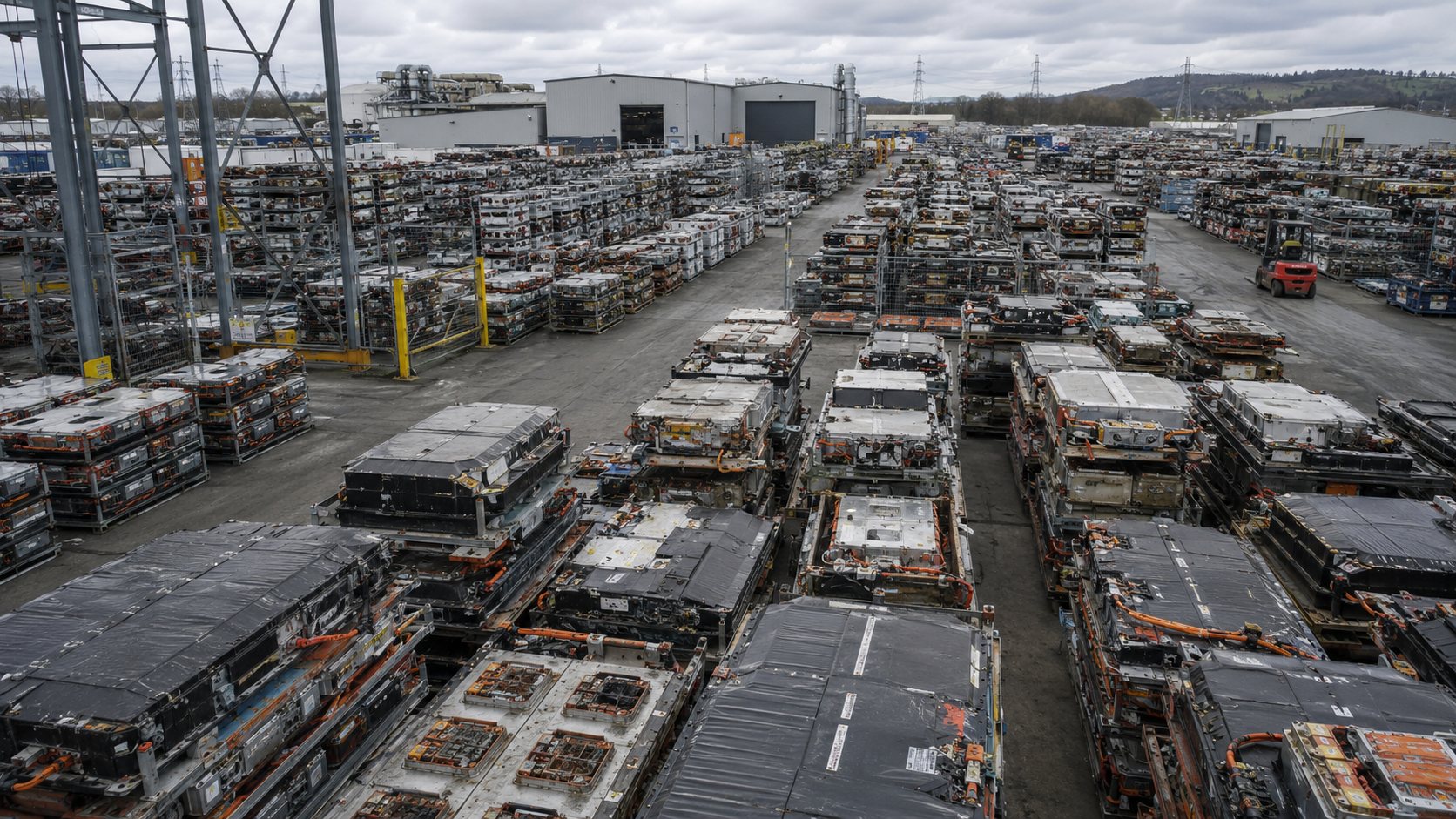
A wave of retired EV battery packs is arriving faster than the world expected. Illustration: Watts & Wild.
China sold electric cars faster than any country in history, and in doing so it pulled off something the rest of the world is still chasing. Now it has handed itself a problem that nobody has fully solved yet: what to do with all those batteries once they die. By the end of 2026, the Chinese research institute EVTank estimates the country will be sitting on about 820,000 tonnes of retired electric-vehicle batteries, and that figure is only the opening act.
The wave keeps climbing toward one million tonnes a year by 2030, on EVTank's numbers, and a study in the journal Communications Earth & Environment projects it will peak near 4.25 million tonnes a year around 2038. Beijing is not waiting for that to arrive. On April 1, 2026, a set of national rules called the Interim Measures for the Management of Recycling and Comprehensive Utilization of Retired Power Batteries came into force, written to stop every worn-out pack from quietly vanishing into a backyard workshop.
The win that built the problem
An electric car battery does not fail all at once. It fades. After roughly eight to twelve years of charging and discharging, a pack drifts down toward 70 or 80 percent of its original capacity, and at some point it no longer holds enough range to be worth keeping in the car. The first big generation of Chinese EVs, the ones that put the country ahead of everyone else in the 2010s, is now hitting exactly that point, all at once.
That is why the numbers jump so fast. A market that grew explosively does not retire its batteries gradually, it retires them in waves, on roughly the same clock that it sold them. The same dominance that made China the center of the electric car world is now making it the center of the used battery world, several years before anyone else gets there.
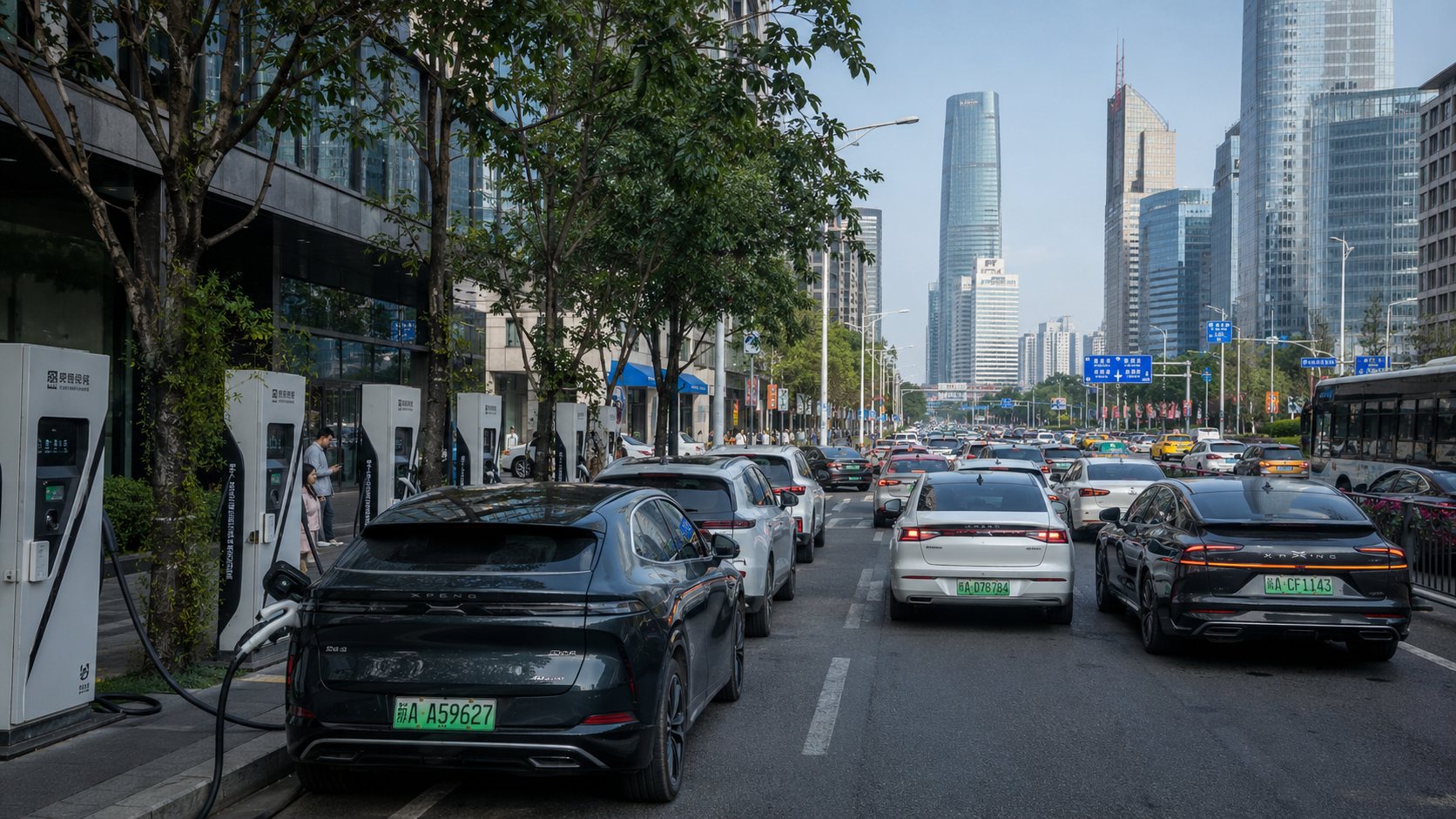
A dead battery is treasure and hazard at the same time
A retired pack is dangerous and valuable in equal measure, which is exactly what makes it hard to handle. Left in the wrong hands, a damaged lithium-ion battery can catch fire through thermal runaway, and its electrolyte and metals are toxic if they leak into soil and water. Handled right, that same pack is a small mine of lithium, cobalt, nickel and manganese, the very materials China otherwise has to import.
That tension created a problem the government could not ignore. As MIT Technology Review put it, China figured out how to sell electric cars, and now it has to figure out how to bury their batteries. A grey market of unlicensed shops sprang up to strip packs for their metals, often unsafely, pulling valuable material out of the official system and into operations with no safety or environmental controls.
The April 2026 crackdown
The new Interim Measures attack that leak directly. As reported by the industry outlet electrive, the rules require a worn-out battery to stay with its vehicle when the car is scrapped, so the pack cannot quietly disappear before it reaches a licensed recycler. Each battery is meant to be tracked digitally through its whole life, from the factory to the recycling line, so authorities can see where it went.
The goal is traceability. If every pack has a paper trail and has to arrive at an approved facility, the backyard dismantlers lose their supply, and the strategic metals stay inside China's own recycling industry instead of leaking out of it.
How China gets the metals back
This is where the story turns from waste to advantage. China already hosts the largest battery recycling industry on the planet, led by names like CATL's recycling arm Brunp and the specialist GEM, and the recovery rates are remarkable. Interesting Engineering reported recovery of up to 99.6 percent of key materials from retired packs, shredding them into a powder known as black mass and chemically pulling the lithium, nickel and cobalt back out.
For a country that depends on imports for much of those raw materials, that is not just tidy environmental housekeeping. It is resource security. Every tonne of metal recovered from an old battery is a tonne that does not have to be mined abroad and shipped in.
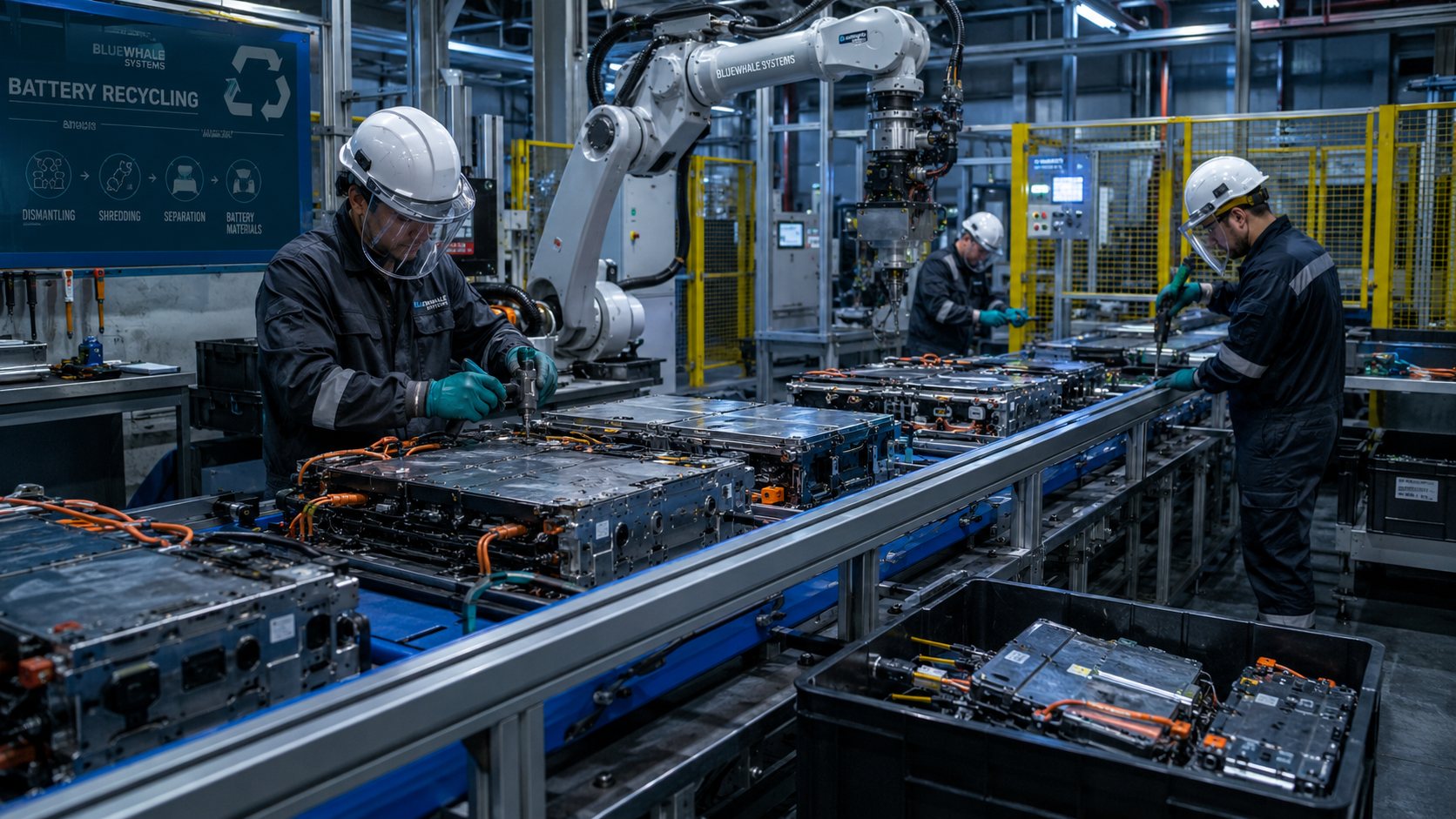
A second life before the grave
Not every retired pack goes straight to the shredder. A battery that is too weak to move a car can still be strong enough to sit still and store energy, and that opens a second career. In a practice called cascade utilization, old EV batteries are repurposed into stationary storage, banking power from solar and wind farms or backing up the grid, before they are finally recycled years later.
It is a neat loop that ties the electric car back to the rest of the energy world. The battery that once powered a commute spends its retirement helping a renewable grid stay steady, and only then gives up its metals for the next generation of cars.
Everyone else is next
The reason this matters far beyond China is timing. Every country that is now celebrating record electric car sales is starting the same clock, and the same wave of retirements will reach the United States and Europe a few years behind China. The World Economic Forum frames the coming pile of dead batteries less as a waste crisis and more as an industrial opportunity, a chance to build a circular supply chain instead of a landfill.
China is simply the first to live it at full scale. Whatever works and whatever fails there, from the tracking rules to the recovery chemistry, is the playbook everyone else will be reading from very soon.
China got very good at putting electric cars on the road. It is only now getting good at what happens when they come off it, and the lesson is arriving early for the rest of us: a battery is not the end of the story, it is the start of a second one. Should a carmaker have to prove a recycling plan before a single electric car is sold? Tell us what you think in the comments.
Related reading: the world's largest battery will run on rust, and here is how iron-air storage works.